

Cast Superalloys Supplier | Bar, Tube, Plate - Hangbo Alloy
Date: 2026年4月20日 Categories: News Views: 272
Overview
Cast superalloys are produced by remelting master alloys in vacuum furnaces and casting into near-net-shape components. Since their design does not require favorable deformability, high contents of alloying elements are allowed. The total proportion of solid-solution and precipitation-strengthening elements can exceed 40 wt%.
Strengthened by solid-solution hardening, γ′/γ″ intermetallic precipitation hardening, and grain boundary strengthening elements (C, B, Zr, Hf), the alloys maintain excellent high-temperature strength, creep resistance, microstructural stability and hot corrosion resistance under 600–1200℃ oxidative and corrosive working conditions with complex cyclic stress.
Classification by Microstructure & Casting Technology
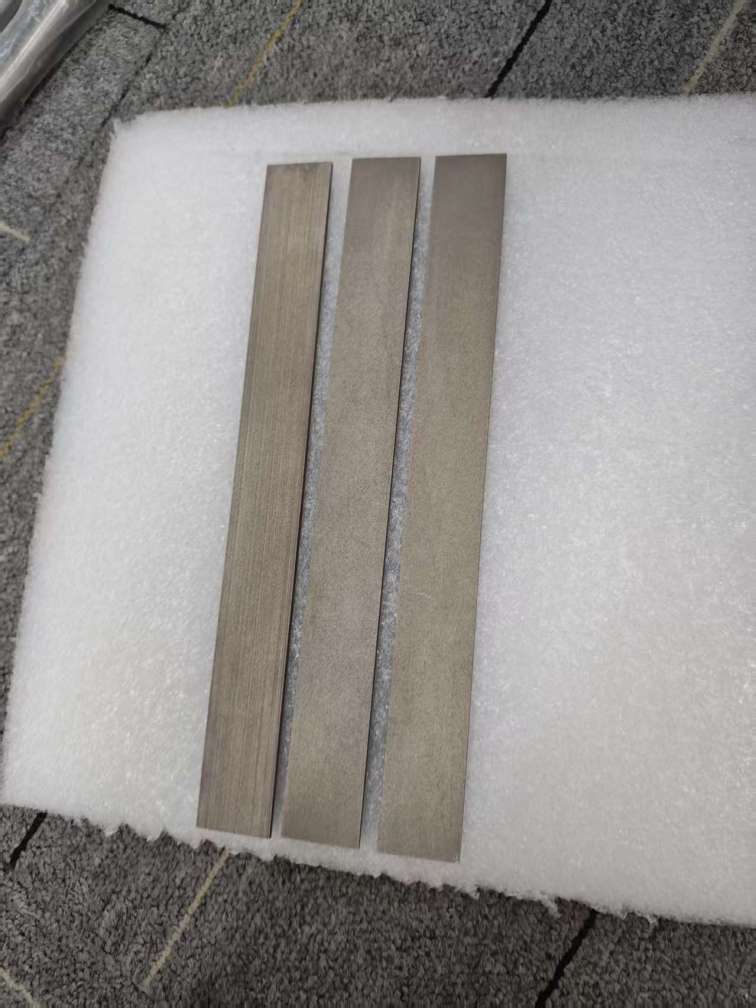
- Equiaxed Grain Cast Superalloys (K-series)
Mature conventional precision casting process with uniform equiaxed grains. Cost-effective, widely used for stationary components including casings, diffusers and guide vanes. Typical grades: K403, K418, K4169.
- Directionally Solidified (DS) Columnar Grain Alloys (DZ-series)
Unidirectional columnar grain structure eliminates transverse grain boundaries, greatly improving high-temperature fatigue and creep resistance. Ideal for turbine working blades. Typical grades: DZ125, DZ404.
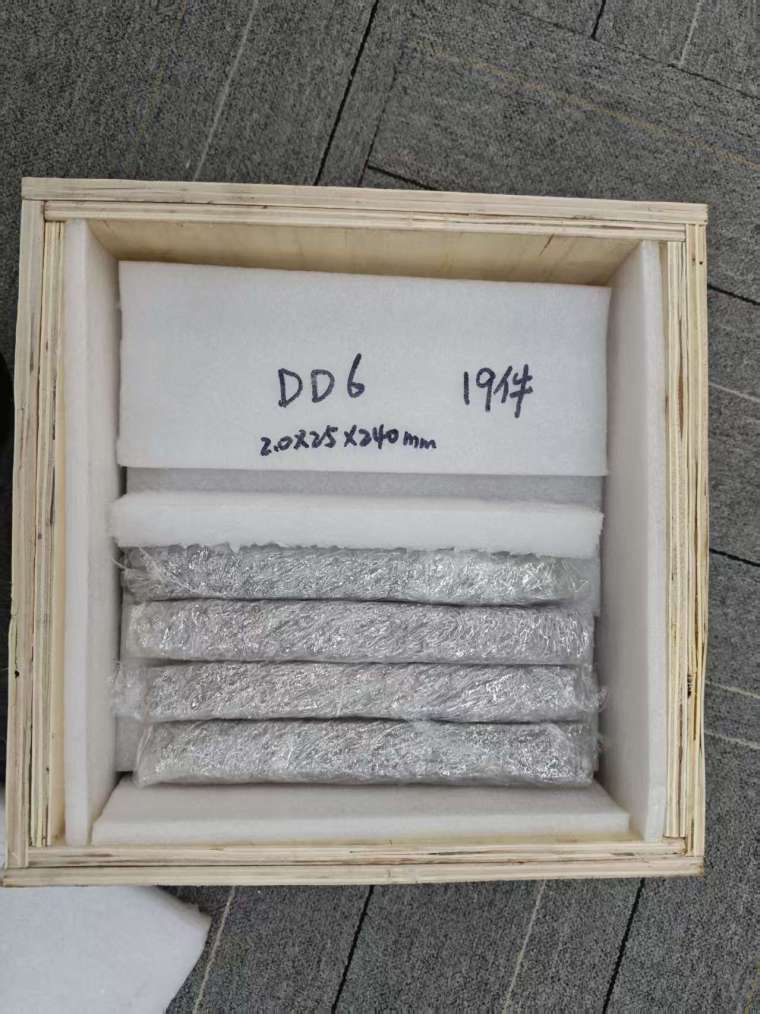
- Single Crystal (SX) Superalloys (DD-series)
Completely free of grain boundaries, representing the highest-temperature grade superalloys with superior strength, thermal fatigue resistance and service life. Mainly applied to premium aero-engine turbine blades. Typical grades: DD5, DD6, DD406.
Matrix Classification
- Nickel-based cast superalloys: Dominant mainstream alloys with Ni matrix over 50 wt%. Alloyed with Cr, Co, W, Mo, Ta, Al, Ti, serving at 650–1150℃ with balanced comprehensive performance.
- Cobalt-based cast superalloys: Higher melting point, outstanding hot corrosion and thermal fatigue resistance, mainly for combustor components.
- Iron-based cast superalloys: Low-cost alloys for medium-low temperature heat-resistant structural parts.
Key Properties
Applications
Contact Shanghai Hangbo Alloy Group
| Channel | Details |
|---|---|
| Website | www.nickel-alloy.com |
| sales@hangboalloy.com | |
| hangbo@nickel-alloy.com | |
| WhatsApp / Phone | +86 13611656360 |
| Skype | +86 13611656360 |
| Address | Shanghai, China |