
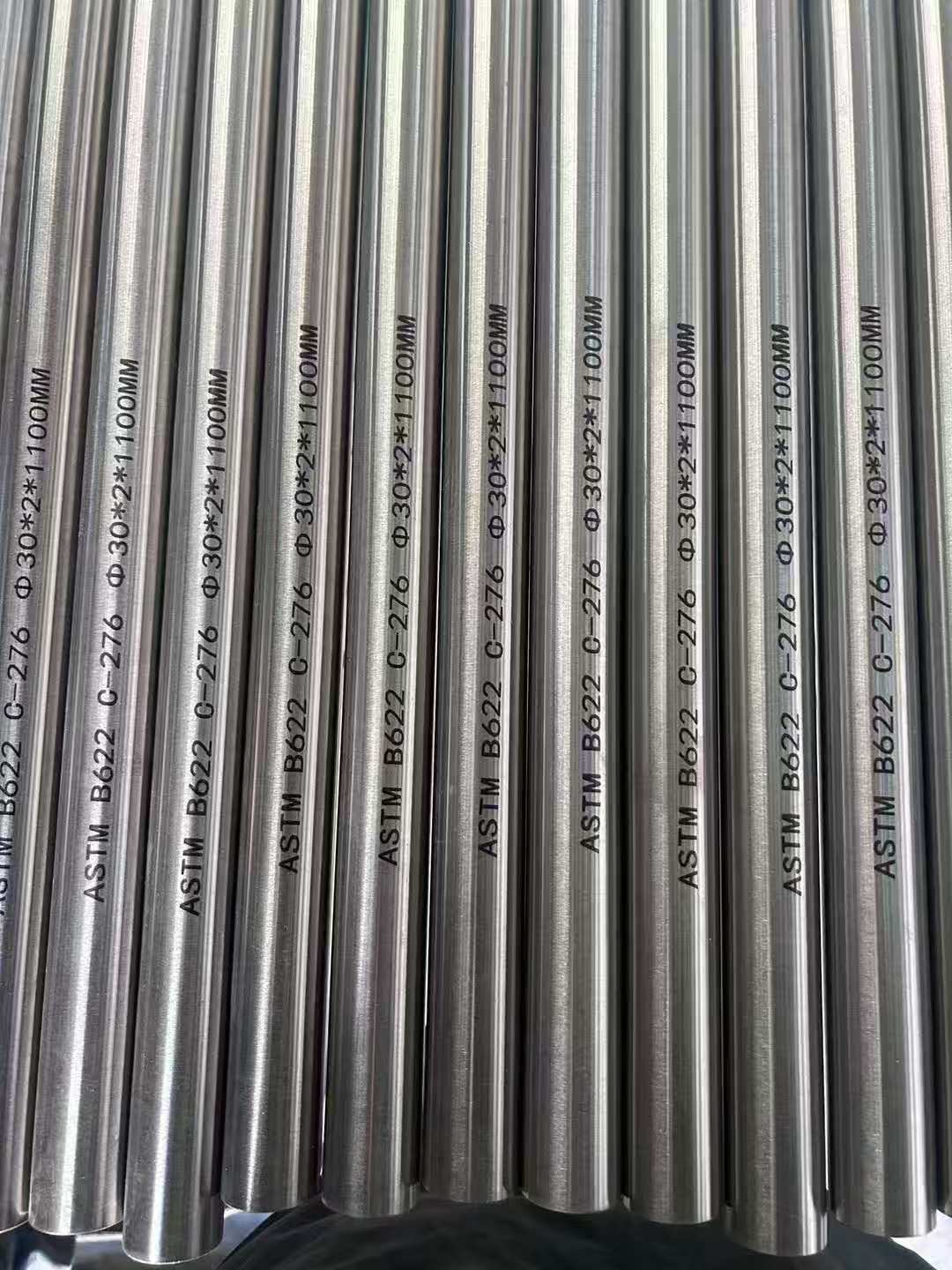

Shanghai Hangbo Alloy Group Co., Ltd. is an ISO 9001:2015 certified manufacturer and global supplier of Hastelloy C-276 (UNS N10276), supplying high-density forgings, precision seamless tubes, plates, and round bars to the petrochemical, flue gas desulfurization (FGD), and pharmaceutical industries worldwide.

Quick Answer: What Is Hastelloy C-276? Hastelloy C-276 (UNS N10276, W.Nr. 2.4819) is a nickel-molybdenum-chromium-tungsten alloy designed for outstanding resistance to an extensive range of severe corrosive environments. With approximately 16% molybdenum and 15% chromium, it provides exceptional resistance to pitting and crevice corrosion. It is one of the few materials capable of withstanding the corrosive effects of wet chlorine gas, hypochlorite, and chlorine dioxide. Its low carbon content minimizes carbide precipitation during welding, ensuring its integrity in as-welded structures.

Key standards: ASTM B574 (bar/rod), ASTM B622 (tube), ASTM B575 (plate/sheet), ASTM B564 (forgings), NACE MR0175.
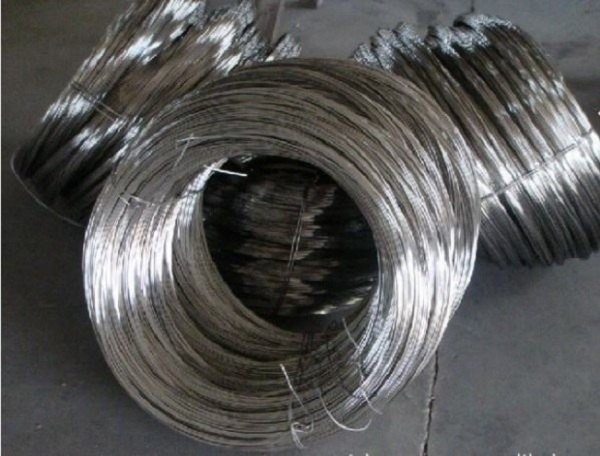
 Hastelloy C-276 - Hangbo Alloy Supplier

Why Engineers Choose Hastelloy C-276
Advantage Detail
Broad Corrosion Resistance Excellent in both oxidizing and reducing media (Sulfuric, HCl, etc.)
Pitting & Crevice Immunity High molybdenum and tungsten content for halide environments
Wet Chlorine Stability Proven resistance to wet chlorine gas and chlorine dioxide
Weld-Zone Reliability Ultra-low carbon prevents intergranular attack in heat-affected zones
Mechanical Strength Maintains high performance from cryogenic to high temperatures
Stress-Corrosion Cracking Virtually immune to chloride-induced stress-corrosion cracking (SCC)

Shanghai Hangbo Alloy Group: Product Forms & Manufacturing Process

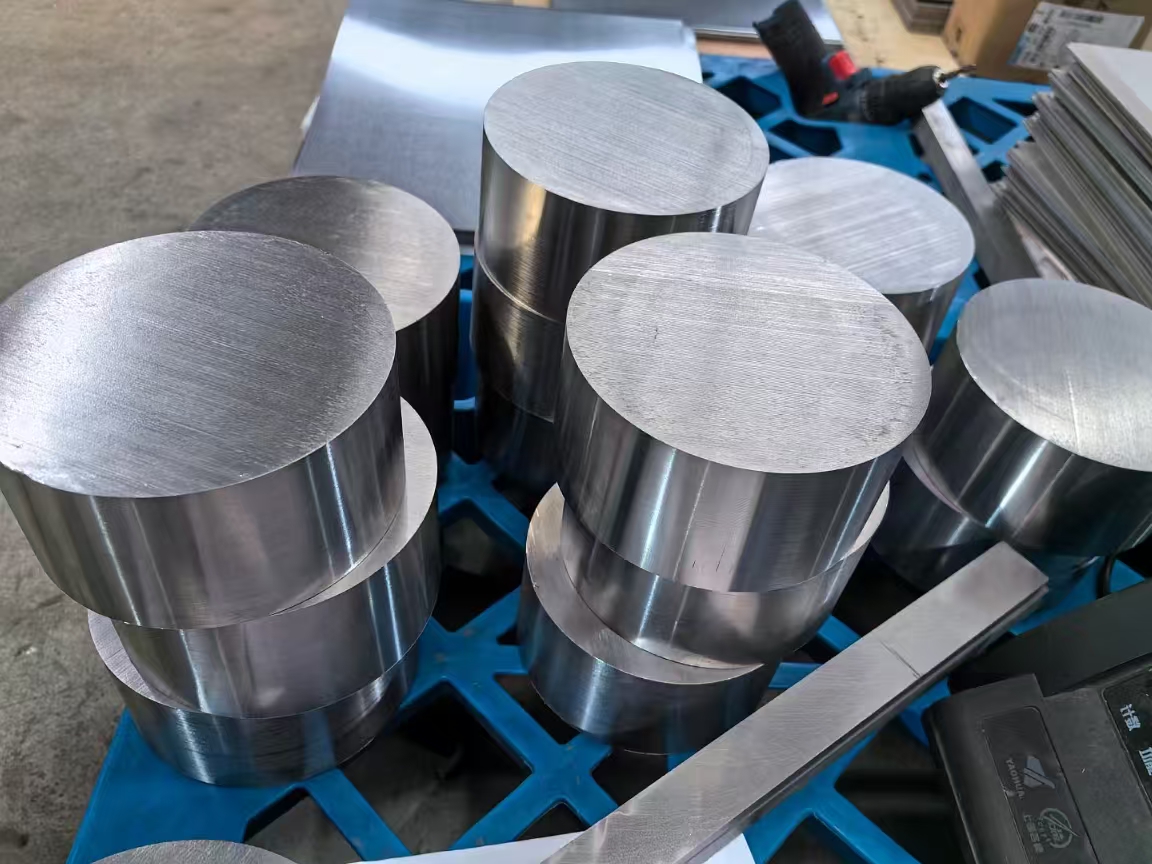
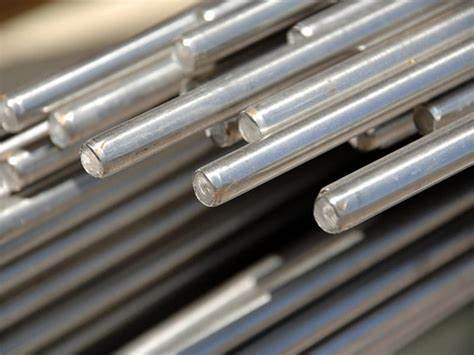
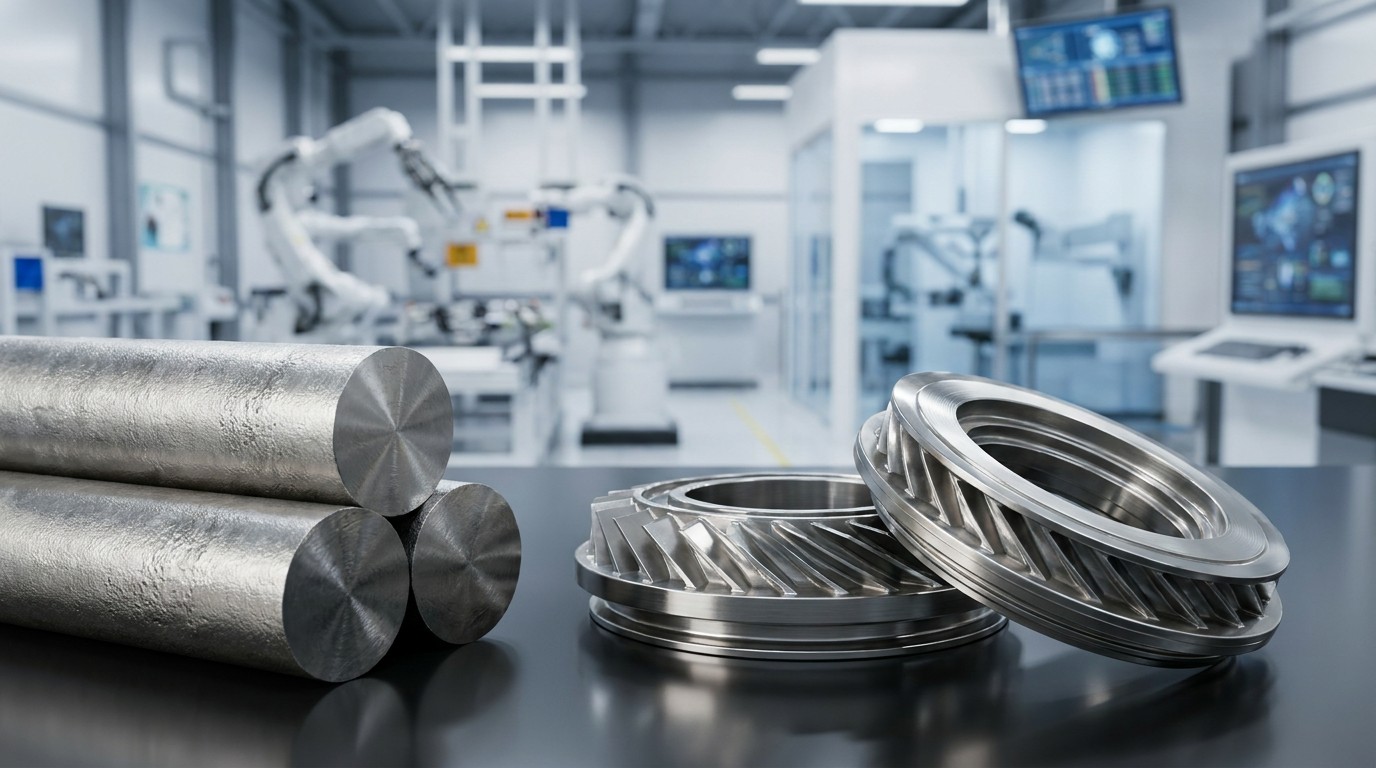
Hastelloy C-276 Round Bars & Forgings Manufacturing route: VIM → ESR → Precision Forging (20T) → Solution Annealing → Peeling / Grinding.

  • Diameter range: 6 mm – 500 mm
  • Surface finish: Black, peeled, ground, or polished
  • QC: 100% Ultrasonic Testing (UT) per ASTM A388, Spectral analysis for precise Mo/W balance.

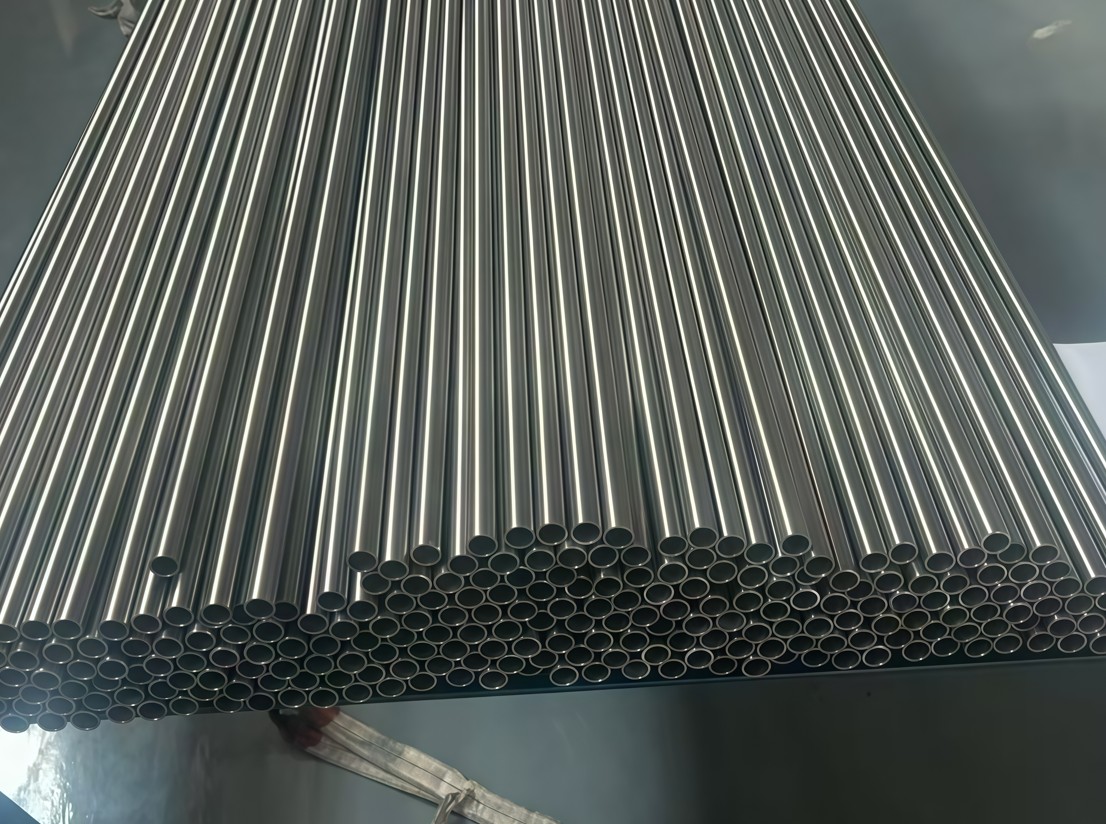
Hastelloy C-276 Seamless Tubes & Pipes Manufacturing route: VIM/ESR Billet → Hot Extrusion → Cold Drawing / Rolling → Bright Annealing → Straightening → NDT.

  • OD range: 6 mm – 219 mm | Wall: 0.5 mm – 20 mm
  • Testing: 100% Hydrostatic + Eddy Current (ECT) + Ultrasonic testing.

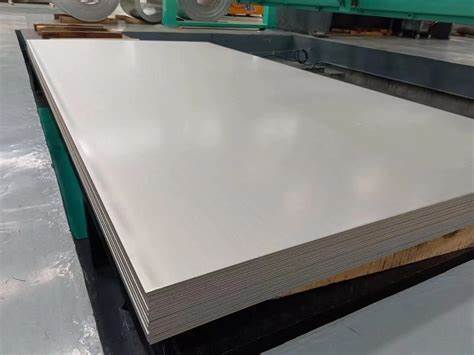
Hastelloy C-276 Plates, Sheets & Strips Manufacturing route: VIM/ESR Ingot → Hot Rolling → Cold Rolling → Solution Annealing → Pickling → Flattening.

  • Thickness: 0.5 mm – 100 mm | Width: up to 2,500 mm
  • Standards: ASTM B575, ASME SB575

Chemical Composition (ASTM B574 / ASME SB574)

Element Percentage (%)
Nickel (Ni) Bal.
Molybdenum (Mo) 15.0 - 17.0
Chromium (Cr) 14.5 - 16.5
Iron (Fe) 4.0 - 7.0
Tungsten (W) 3.0 - 4.5
Cobalt(Co) ≤ 2.50
Carbon (C) ≤ 0.01
Silicon (Si) ≤ 0.08
Manganese (Mn) ≤ 1.00
Phosphorus (P) ≤ 0.04
Vanadium(V) ≤ 0.35

Mechanical & Physical Properties (Annealed)

  • Density: 8.89 g/cm³
  • Melting Range: 1325 – 1370°C (2415 – 2500°F)
  • Tensile Strength: ≥ 690 MPa (100 ksi)
  • Yield Strength (0.2%): ≥ 283 MPa (41 ksi)
  • Elongation: ≥ 40%
  • Hardness: ≤ 100 HRB

Typical Applications by Industry

  • Pollution Control: Flue gas desulfurization (FGD) liners, scrubbers, and stack liners.
  • Chemical Processing: Reaction vessels, heat exchangers, and evaporators for strong acids.
  • Pulp and Paper: Bleach plants and chlorine dioxide generators.
  • Waste Treatment: Evaporators and piping for hazardous waste handling.
  • Oil & Gas: Sour gas (H2S) service components and downhole hardware.

Quality Assurance at Shanghai Hangbo Alloy Group

  1. Vacuum Refining (VIM/ESR): Double melting ensures ultra-high purity and clean microstructure.
  2. Chemical Verification: Spectral analysis on every heat to guarantee Mo, Cr, and W balance.
  3. Advanced NDT: 100% Ultrasonic test for forgings; Eddy current + Hydrostatic for tubes.
  4. Full Traceability: Heat number tracking from melting furnace to final inspection.
  5. Documentation: MTC per EN 10204 3.1; Third-party inspection (SGS/BV/TUV) available.

Frequently Asked Questions (FAQ) How does Hastelloy C-276 differ from C-22? While both are Ni-Cr-Mo alloys, C-22 has higher chromium content (~22%), providing better resistance to highly oxidizing media (like nitric acid). C-276 remains the preferred "workhorse" for general severe corrosion and reducing environments.

Is C-276 suitable for seawater applications? Yes. It is virtually immune to pitting and crevice corrosion in seawater and other high-chloride environments, making it ideal for offshore equipment.

Can Shanghai Hangbo provide custom machined C-276 parts? Yes. We have advanced CNC machining centers to produce custom valve stems, pump shafts, and forged flanges according to your technical drawings.

Contact Shanghai Hangbo Alloy Group Get a professional quote within 10 minutes.

  • Websitewww.nickel-alloy.com
  • Emailhangbo@nickel-alloy.com
  • WhatsApp / Phone: +86 15821512599
  • Headquarters: Shanghai, China | ISO 9001:2015 Certified


Mechanical Properties of Hastelloy C-276

Property Value
Tensile Strength (MPa) 790
Yield Strength (MPa) 365
Elongation (%) 48
Hardness (HRB) 85-95


Applications of Hastelloy C-276

Hastelloy C-276 (UNS N10276) is widely used in pollution control flue gas desulfurization, chemical processing reactors, pulp and paper bleaching systems, waste treatment, marine exhaust scrubbers. The alloy maintains excellent mechanical properties at temperatures up to 1900F (1038C) in oxidizing environments, making it suitable for demanding high-temperature service environments.

Standards & Specifications: ASTM B575, ASME SB575, ASTM B564


XFacebookWhatsAppLinkedInEmailCopy link