

Excerpt:
Inconel 690 (UNS N06690) technical guide from Hangbo Alloy: the 30% chromium nickel alloy engineered for nuclear steam generators. Exceptional resistance to stress-corrosion cracking, intergranular attack and high-temperature aqueous corrosion. ASTM B163/B166 and ASME SB specifications with thermal-treatment and welding guidance.
Inconel 690 (UNS N06690): High-Chromium Nickel Alloy for Nuclear Steam Generators and Severe Corrosion Service | Hangbo Alloy
Introduction
Inconel 690, UNS N06690, is a high-chromium nickel alloy developed specifically to overcome the limitations of its predecessor, Inconel 600, in the most demanding high-temperature aqueous environments known to industry. With a nominal chromium content of 30 %, Inconel 690 provides exceptional resistance to stress-corrosion cracking (SCC), intergranular attack, and high-temperature corrosion in pure water, caustic solutions, and nitric and mixed acids. Its principal fame rests on its role as the standard tubing material for pressurized-water-reactor (PWR) steam generators, where integrity directly governs nuclear plant availability and safety.
The alloy was introduced commercially in the late 1970s and adopted worldwide through the 1980s and 1990s as steam-generator replacement tubing and for new reactor builds, following decades of SCC experience with Inconel 600 mill-annealed tubing. Its resistance to primary-water SCC (PWSCC), caustic SCC, and the intergranular attack (IGA) associated with sludge deposits in the secondary side made it the decisive metallurgical upgrade of the nuclear steam-supply system.
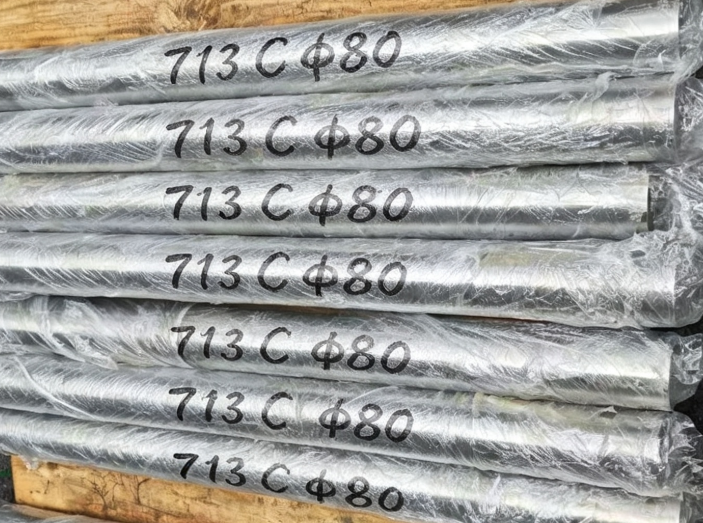
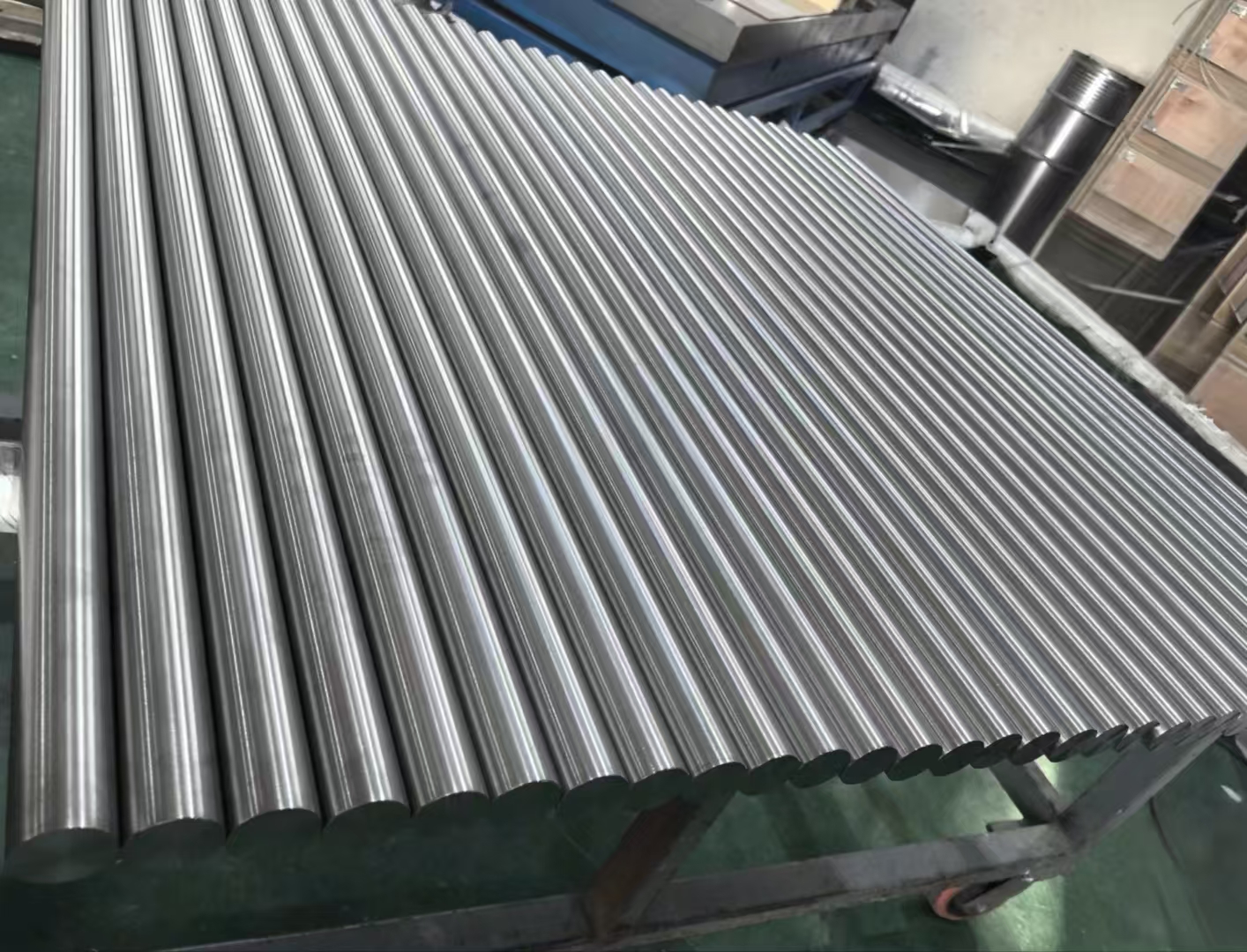
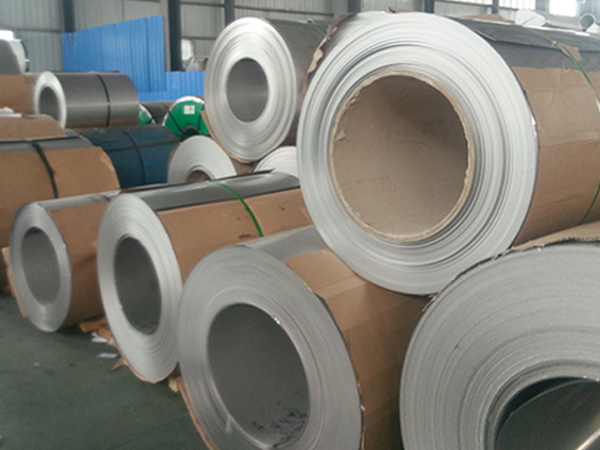
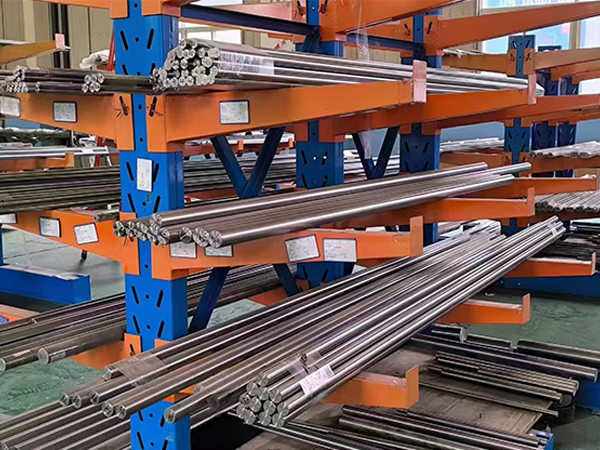
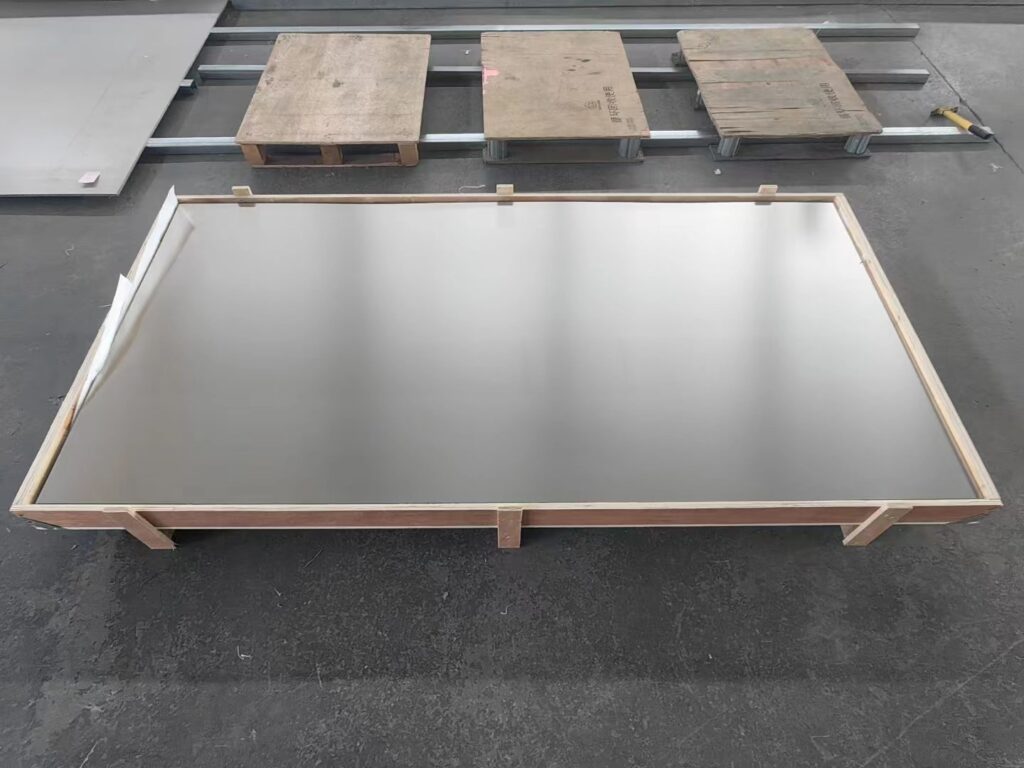
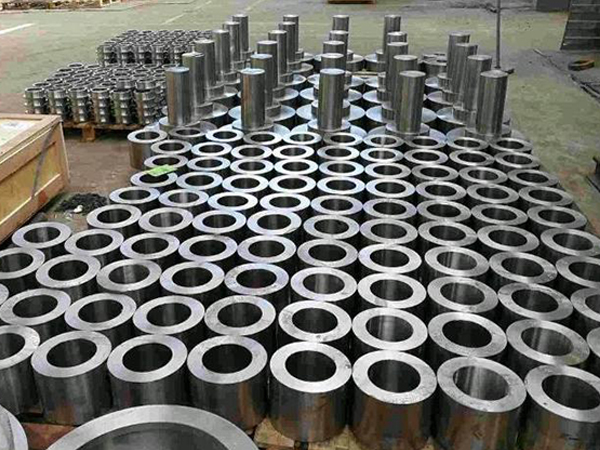
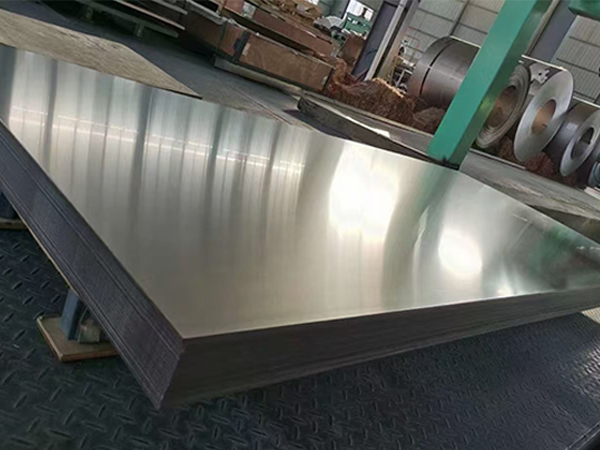
Hangbo Alloy produces Inconel 690 in seamless tubing, pipe, plate, sheet, strip, bar, and forgings to ASTM B163 and ASTM B167, with the rigorous traceability, cleanliness, and inspection demanded by nuclear and high-temperature chemical service. This article provides a detailed engineering review of the alloy's metallurgy, properties, corrosion behavior, and applications.
Chemical Composition
The defining feature of Inconel 690 is its elevated chromium content — roughly twice that of Inconel 600 — combined with a high nickel base and deliberately tight control of carbon, titanium, aluminum, and residual elements. Typical composition limits per ASTM B163/B167 and the nuclear-tubing addenda (ASME SB-163) are:
| Element | Composition Limit (wt. %) |
|---|---|
| Nickel (Ni) | 58.0 min. |
| Chromium (Cr) | 27.0 – 31.0 |
| Iron (Fe) | 7.0 – 11.0 |
| Carbon (C) | 0.05 max. |
| Manganese (Mn) | 0.50 max. |
| Sulfur (S) | 0.015 max. |
| Silicon (Si) | 0.50 max. |
| Copper (Cu) | 0.50 max. |
| Titanium (Ti) | 0.50 max. |
| Aluminum (Al) | 0.50 max. |
| Cobalt (Co) | 0.05 max. (nuclear grades 0.02 max.) |
| Boron (B) | 0.003 max. |
| Phosphorus (P) | 0.015 max. |
High chromium changes the corrosion electrochemistry completely relative to Inconel 600. In high-temperature water, the passive film is enriched in chromium, creating a stable, self-healing oxide that resists the localized breakdown that initiates PWSCC. The high nickel content preserves immunity to chloride SCC and provides thermodynamic stability against caustic attack. Nuclear-grade material adds strict upper limits on cobalt (to control radiation fields), boron, and other trace impurities, and requires a fine, uniform, recrystallized grain size with a controlled carbide distribution.
Metallurgical Design and Heat Treatment
Inconel 690 is used in the solution-annealed condition. For steam-generator tubing, the standard thermal treatment is a high-temperature solution anneal in the range 1038–1095 °C followed by rapid cooling, which produces a clean, fully austenitic microstructure with chromium carbides present predominantly at grain boundaries. This grain-boundary carbide distribution is intentional: it is associated with the alloy's excellent resistance to intergranular attack and intergranular SCC in the secondary-side environments of PWRs.
Inconel 690 is not precipitation-hardenable. Its strength comes entirely from solid-solution strengthening and cold work; for tubing applications it is used in the annealed or light cold-worked condition to combine corrosion resistance with adequate mechanical properties and good formability for tube bending during steam-generator fabrication.
| Heat Treatment | Purpose |
|---|---|
| Hot working | 927 – 1205 °C, followed by annealing |
| Solution anneal (plate/bar) | 1038 – 1095 °C, water quench or rapid air cool |
| Tubing anneal (nuclear) | High-temperature anneal ~1075 – 1100 °C with rapid cooling for SCC resistance |
| Stress equalizing | 300 – 400 °C for severe cold-worked shapes (rarely required) |
Mechanical and Physical Properties
Because the alloy is used across a wide temperature range — from ambient structural service to 1000 °C-plus furnace hardware — both room-temperature and elevated-temperature properties matter. Minimum room-temperature properties per ASTM B163 (tubing) are summarized below.
| Property | Value (Annealed) |
|---|---|
| Tensile Strength, Rm | 586 MPa (85 ksi) min. |
| Yield Strength, Rp0.2 | 241 MPa (35 ksi) min. |
| Elongation in 50 mm | 30 % min. |
| Density | 8.19 g/cm³ |
| Melting Range | 1343 – 1377 °C |
| Modulus of Elasticity (RT) | 211 GPa |
| Thermal Conductivity (RT) | 14.0 W/(m·K) |
| Coefficient of Expansion (20 – 100 °C) | 14.1 µm/(m·K) |
| Electrical Resistivity | 1.15 µΩ·m |
| Magnetic Permeability | < 1.01 (essentially non-magnetic) |
The elevated chromium content raises the alloy's high-temperature strength modestly above Inconel 600 and markedly improves its oxidation and sulfidation resistance. In air, Inconel 690 resists scaling to approximately 1250 °C in cyclic service because the chromia scale formed is thin, adherent, and self-limiting. Creep strength is adequate for furnace fixtures and heat-treating components that must survive years of thermal cycling.
Elevated-Temperature Tensile (typical values)
| Test Temperature (°C) | Tensile Strength (MPa) | Yield Strength (MPa) | Elongation (%) |
|---|---|---|---|
| 20 | 650 – 700 | 280 – 320 | 40 – 45 |
| 315 | 620 – 660 | 250 – 280 | 40 – 45 |
| 540 | 590 – 630 | 230 – 260 | 40 – 45 |
| 650 | 550 – 590 | 220 – 250 | 40 – 48 |
| 760 | 420 – 470 | 190 – 220 | 55 – 65 |
| 870 | 260 – 310 | 140 – 170 | 70 – 80 |
Corrosion Resistance: The Nuclear Steam Generator Story
Primary-Water Stress-Corrosion Cracking (PWSCC)
The catalyst for Inconel 690's development was the SCC experience of Inconel 600 in PWR primary water. Between the 1970s and 1990s, thousands of Inconel 600 tubes in steam generators developed PWSCC at tube ends, U-bends, and dented regions where tensile residual stresses combined with the hot (290–330 °C), high-purity lithiated-borated water of the primary circuit. Inconel 690, by contrast, has demonstrated essentially complete immunity to PWSCC in laboratory testing over decades of exposure, including creviced and heavily stressed specimens, and in operating plants where it now constitutes the large majority of installed tubing. No service-induced PWSCC has been attributed to Inconel 690 tubing.
Secondary-Side Environments
The secondary side of a steam generator is chemically complex: concentrated caustic (sodium hydroxide) can form under sludge piles or in crevices, acid-chloride and sulfate species concentrate by boiling, and oxidizing species arrive with condenser in-leakage. Inconel 600 suffered IGA and intergranular SCC in these concentrated chemistries. Inconel 690 resists caustic SCC up to very high caustic concentrations at 300 °C+ and is far more tolerant of acid-chloride excursions. Its thermal treatment is selected to optimize the grain-boundary carbide coverage for exactly this reason.
Other Corrosion Media
Outside the nuclear field, the alloy's 30 % chromium content renders it highly resistant in hot nitric acid, in mixed nitric/hydrofluoric acid pickling liquors, and in high-temperature oxidizing chemicals. It outperforms Inconel 600 and stainless steels in many high-temperature caustic services (it is used in chlor-alkali evaporators and caustic concentrators), and it shows good resistance to phosphoric acid and sulfur-bearing gases at high temperature. It remains, however, a chromium-bearing alloy: it is not intended for reducing acids such as hydrochloric acid, where molybdenum-bearing alloys like Hastelloy C-276 excel.
Oxidation, Sulfidation, and High-Temperature Service
Inconel 690's chromium level gives it outstanding behavior in oxidizing furnace atmospheres, with resistance to both cyclic and isothermal oxidation superior to Inconel 600, 601 (in some regimes), and many heat-resistant stainless steels. It is also resistant to carburization and, with high chromium, far more resistant to sulfidation than iron- or low-chromium alloys — a property exploited in petrochemical furnace internals and coal-gasification pilot hardware. Applications include heat-treating baskets and fixtures, radiant tubes, glass-manufacturing components, and nitric-acid plant equipment.
Fabrication and Welding
Inconel 690 is readily fabricated by conventional techniques:
- Hot working: 927–1205 °C with annealing after heavy reduction; do not work below ~870 °C.
- Cold working: Good ductility permits deep drawing and severe bending; the alloy work-hardens more than Inconel 600, so intermediate anneals may be needed.
- Welding: Excellent weldability by GTAW, GMAW, SMAW, SAW, and EB processes. Matching filler ERNiCrFe-7 (AWS A5.14) and its variants (ERNiCrFe-7A) are used; these carry a controlled niobium/titanium balance to resist microfissuring. Welding must be performed on clean surfaces, with low heat input and interpass control to prevent chromium-carbide sensitization. In nuclear fabrication, welding is qualified to the most stringent codes (ASME Section III and Section IX) with strict contamination and ferrite control.
- Machining: Positive rake tooling, rigid setup, and coolant; the alloy is somewhat easier to machine than age-hardenable nickel alloys because it is soft and non-abrasive in the annealed condition.
Standards, Specifications, and Product Forms
| Specification | Scope |
|---|---|
| ASTM B163 | Seamless condenser and heat-exchanger tubing (incl. nuclear tubing grades) |
| ASTM B167 | Seamless pipe and tube |
| ASTM B168 | Plate, sheet, and strip |
| ASTM B166 | Bar, rod, and forgings |
| ASME SB-163 / SB-167 | Code versions for pressure-boundary use |
| RCC-M M4105 | French nuclear-code tubing specification (M4107 for tubing) |
| AMS 5546 | Sheet, strip, plate (aerospace form) |
| ISO 6208 / DIN 17742 | European plate/bar equivalents |
Hangbo Alloy supplies Inconel 690 in straight and U-bent steam-generator tubing with eddy-current and ultrasonic inspection, in plate, sheet, strip, bar, and forged fittings. Full traceability of melting, thermomechanical processing, and heat treatment is documented for nuclear and chemical-process purchasers.
Applications Overview
| Industry | Representative Applications |
|---|---|
| Nuclear power | PWR steam-generator tubing, tube sleeves, channel heads, nozzles, reactor internals, pressurizer components |
| Chemical processing | Nitric-acid plant internals, evaporators, caustic concentration systems |
| Petrochemical | Furnace tubes, high-temperature reactor internals, sulfidation-resistant hardware |
| Heat treating | Baskets, fixtures, retorts, radiant tubes, muffles |
| Glass & ceramics | Furnace components, thermocouple protection sheaths |
| Pollution control | High-temperature corrosive-gas handling, incinerator internals |
Why Choose Hangbo Alloy
Hangbo Alloy brings integrated production discipline to Inconel 690: vacuum or electric-arc melting with tight residual-element control, seamless tube piercing and cold drawing to fine tolerances, and nuclear-grade inspection including 100 % eddy-current, ultrasonic, and hydrostatic testing. Statistical process control on chemistry, grain size, and carbide morphology ensures the batch-to-batch consistency that steam-generator fabricators demand. Hangbo Alloy exports Inconel 690 tubing, plate, and bar globally through nickel-alloy.com with EN 10204 3.1/3.2 documentation and third-party witness testing on request.
Technical FAQ
Q1: Why was Inconel 690 chosen to replace Inconel 600 in steam generators? Because Inconel 600 suffered primary-water and caustic SCC in service. The roughly doubled chromium content of Inconel 690 produces a far more protective oxide film and grain-boundary carbide structure, giving practical immunity to PWSCC and excellent resistance to secondary-side chemistries.
Q2: What is the maximum service temperature of Inconel 690? For oxidation resistance in air, useful to about 1250 °C in cyclic service; for load-bearing structural service, design allowables are typically used up to ~1000 °C. In pressurized water, service is ~290–350 °C, well within the alloy's capability.
Q3: Is Inconel 690 precipitation-hardenable? No. It is a solid-solution alloy strengthened by cold work and remains ductile and weldable in all conditions; strength cannot be increased by aging.
Q4: Is Inconel 690 resistant to chloride stress-corrosion cracking? Yes — the high nickel content gives immunity to chloride SCC in the same manner as Inconel 600, while chromium adds exceptional resistance to high-temperature water and caustic SCC.
Q5: How is Inconel 690 welded, and what filler is used? By all standard fusion processes with matching ERNiCrFe-7 family fillers. Cleanliness, low heat input, and interpass temperature control are essential, and nuclear welds are qualified under ASME Section IX with strict procedure control.
Q6: Can Inconel 690 be used in reducing acids? No. Like Inconel 600 and 601, it is optimized for oxidizing and high-temperature environments. For hydrochloric or hot dilute sulfuric acid, select a molybdenum-bearing alloy such as Hastelloy C-276 or Inconel 625.
Q7: Why is cobalt limited in nuclear-grade Inconel 690? Cobalt-59 activates under neutron irradiation to cobalt-60, a strong gamma emitter that raises plant radiation fields and personnel dose. Nuclear grades cap cobalt near 0.02–0.05 %.
Q8: Does Hangbo Alloy supply U-bent steam-generator tubing? Yes. Hangbo Alloy can supply straight lengths or U-bent and stress-relieved tubing with full NDE, dimensional, and cleanliness certification to nuclear specification requirements.
Q9: Is Inconel 690 magnetic? No, it is essentially non-magnetic (permeability < 1.01), like other fully austenitic nickel alloys.
Q10: What distinguishes Hangbo Alloy's Inconel 690 for non-nuclear use? The same tightly controlled chemistry, grain size, and inspection discipline that qualifies it for nuclear service is applied to commercial plate, bar, and tube, giving industrial users aerospace-grade consistency at commercial prices.