


Excerpt:
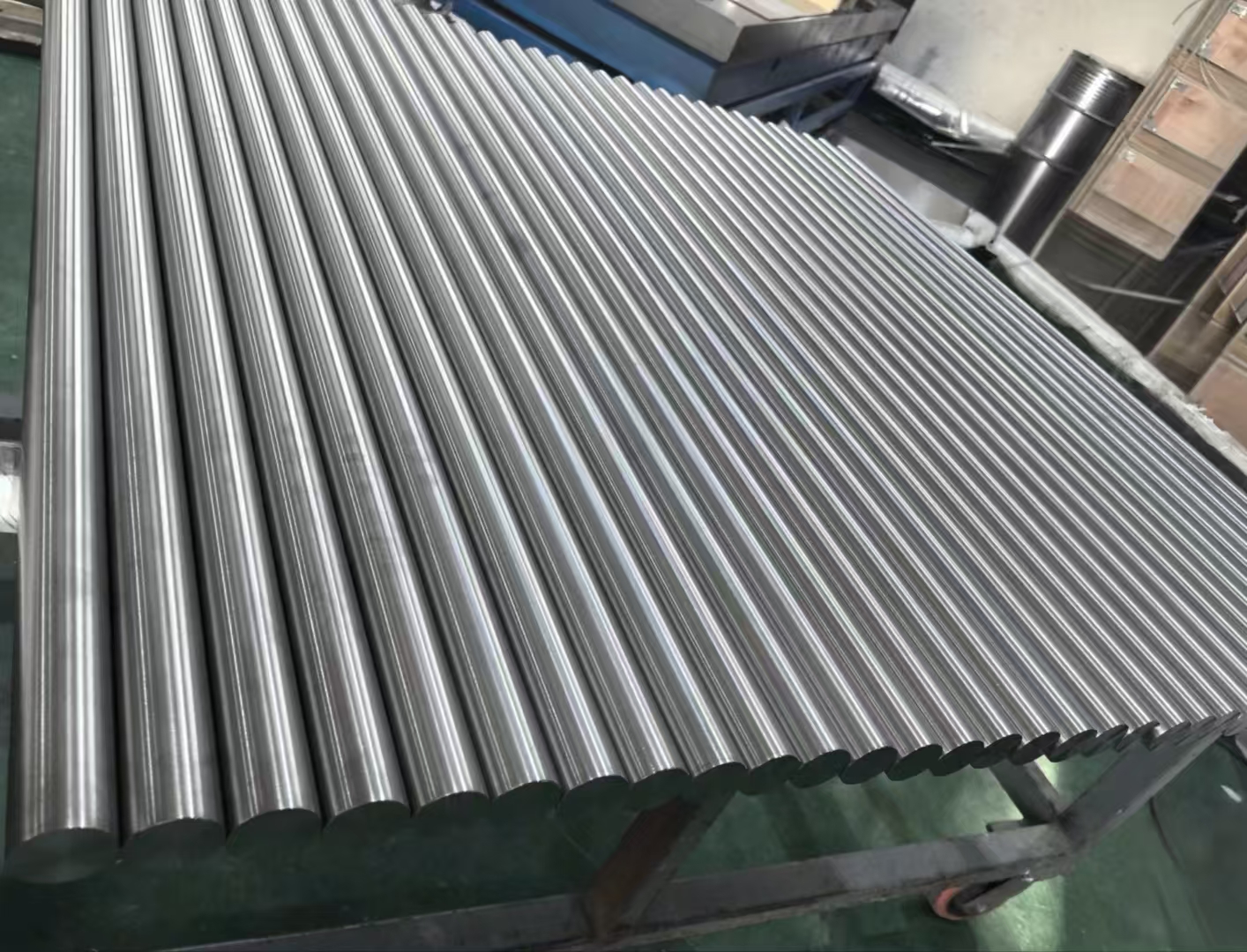
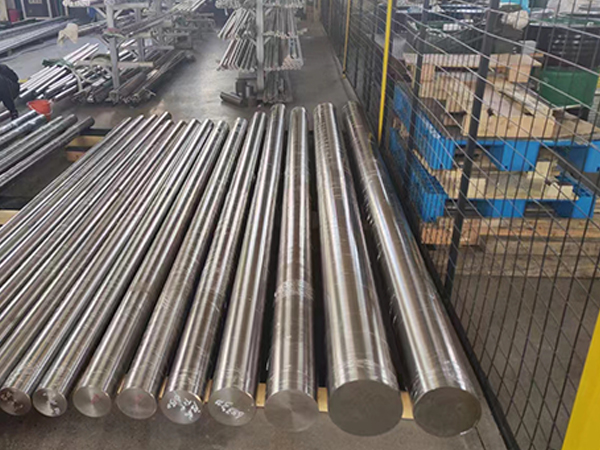
Inconel 713C — Precipitation-hardenable nickel-chromium cast superalloy (Cast Round Bars / Master Alloy Stick). Exceptional strength and oxidation resistance at 927°C (1700°F). Produced via Vacuum Induction Melting (VIM).
Inconel 713C (UNS N07713) is a precipitation-hardenable nickel-chromium cast superalloy, specifically engineered for high-temperature structural applications. It offers an exceptional combination of high-temperature strength, creep resistance, and oxidation resistance at temperatures up to 927°C (1700°F). As a dedicated casting material, it is the primary choice for complex components such as gas turbine blades and turbocharger rotors, where forging is impractical. Its structural stability is maintained through the precipitation of the gamma prime phase [Ni3(Al,Ti)].
Standards
- AMS 5391 (Castings)
- UNS N07713
- W.Nr. 2.4670
AEETHER Precision Tables
Chemical Composition (%)
| Grade | Ni | Cr | Al | Ti | Mo | Nb+Ta | C | B | Zr | Fe |
|---|---|---|---|---|---|---|---|---|---|---|
| 713C | Bal. | 12.0-14.0 | 5.5-6.5 | 0.5-1.0 | 3.8-5.2 | 1.5-2.5 | 0.08-0.20 | 0.005-0.015 | 0.05-0.15 | ≤2.5 |
Physical & Mechanical Properties
| Density | 7.91 g/cm³ |
| Melting Range | 1260 - 1290 °C |
| Performance at 927°C (1700°F) | Excellent Rupture & Creep Strength |
| Tensile Strength (870°C) | ≥ 760 MPa |
| Yield Strength (870°C) | ≥ 690 MPa |
| Rupture Strength (980°C/150MPa) | ≥ 25 Hours |
Depth Characteristics
- Outstanding Rupture Strength: Maintains load-bearing capacity at 927°C (1700°F) and above, where other alloys soften.
- Oxidation Resistance: The high Chromium and Aluminum content forms a protective oxide layer that resists scaling in high-velocity gas streams.
- Vacuum Induction Melting (VIM): All 713C products are produced via VIM to ensure high purity and precise control of reactive elements like Al and Ti.
- Castability: Excellent fluidity in the molten state, ideal for investment casting of thin-walled turbine components.
- Structural Stability: Highly resistant to the formation of embrittling phases during prolonged exposure to heat.
Global Project Cases
- Turbocharger Rotors: Standard material for high-performance automotive and industrial turbocharger wheels.
- Gas Turbine Blades: Used in the first and second stages of aero-engines and industrial gas turbines.
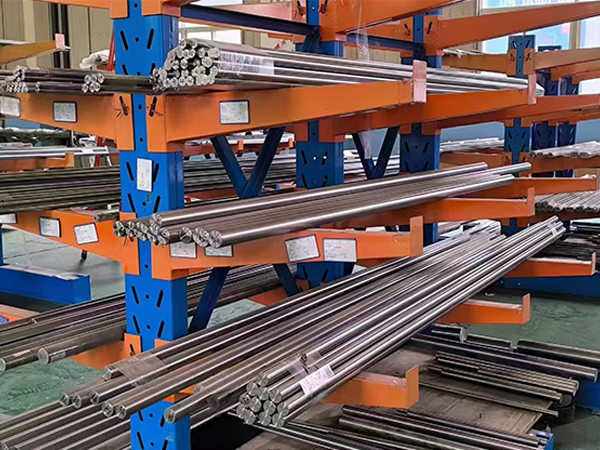
- Master Alloy Sticks: Used as feed material for investment casting foundries worldwide.
Manufacturing & Testing
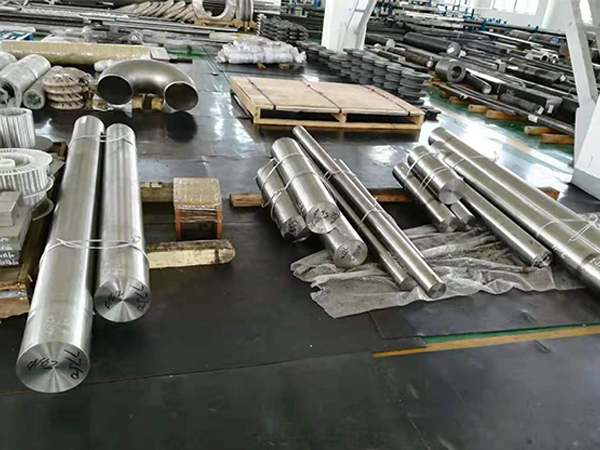
All Inconel 713C products are manufactured using Vacuum Induction Melting (VIM) to guarantee zero gaseous impurities and chemical homogeneity. Our Cast Round Bars (Master Alloy Stick) serve as the foundational material for high-precision investment castings. Every batch undergoes rigorous testing, including spectroscopic analysis, grain size control, and Non-Destructive Testing (NDT) such as X-ray and fluorescent penetrant inspection, ensuring peak performance in extreme environments.
Inconel 713C FAQs
- 1. Why is Inconel 713C only available as cast products?
- Inconel 713C has a high volume fraction of the gamma-prime strengthening phase, which makes it exceptionally strong at high temperatures but results in very low ductility at lower temperatures. This makes it impossible to forge, roll, or draw into seamless tubes or plates. It must be cast to shape.
- 2. What is the maximum service temperature for 713C?
- It is optimized for service up to 927°C (1700°F), though it can withstand intermittent exposure up to 980°C (1800°F).
- 3. How does 713C achieve its high-temperature strength?
- Strength is derived from the precipitation of the Ni3(Al,Ti) gamma prime phase, which remains stable and resists dislocation movement at extreme heat.
- 4. Is Inconel 713C weldable?
- Due to its high Al and Ti content, 713C is highly susceptible to strain-age cracking and is generally considered difficult to weld. Repair welding is only done under specialized conditions.
- 5. What is the difference between 713C and 713LC?
- 713LC (Low Carbon) has a reduced carbon content to improve room-temperature ductility and thermal fatigue resistance, whereas 713C provides superior creep strength.
- 6. What are the primary product forms?
- The primary product form is Cast Round Bars (Master Alloy Stick), which are then used to produce precision investment castings like blades and rotors.
Supply List
- Cast Round Bars (Master Alloy Stick): High-purity VIM sticks for casting feed.
- Precision Cast Components: Custom turbine blades, vanes, and integral rotors.
- VIM Master Alloy Ingots: Large format ingots for industrial casting applications.
- Custom Cast Shapes: Tailored for high-temperature industrial tools.
Contact Shanghai Hangbo Alloy Group for premium Inconel 713C Cast Round Bars (Master Alloy Stick) and precision cast components with full technical certification.