

Excerpt:
Hastelloy B-3 (UNS N10675) supplier — ASTM B574/B619/B622. Improved thermal stability vs B-2. Resistant to HCl, H2SO4, acetic acid. Chemical reactors, heat exchangers. ISO certified.
By Shanghai Hangbo Alloy Group Co., Ltd. - China Supplier | ISO 9001:2015 | Est. 2012
Contact: sales@hangboalloy.com | hangbo@nickel-alloy.com | WhatsApp (Lisa): +86 13611656360
Quick Answer: What Is Hastelloy B-3?
Hastelloy B-3 (UNS N10675) is the third generation of the nickel-molybdenum (Ni-Mo) alloy family, specifically engineered to provide superior thermal stability compared to its predecessors, B and B-2. It maintains excellent resistance to hydrochloric acid at all concentrations and temperatures, while offering improved ductility during fabrication and better resistance to stress corrosion cracking.
Technical Specifications (ASTM B335 Standard)
| Chemical Composition (wt.%) of Hastelloy B-3 (UNS N10675) | ||||||||||||||
|---|---|---|---|---|---|---|---|---|---|---|---|---|---|---|
| Ni | Mo | Fe | Cr | Mn | Co | W | Si | C | Al | Ti | Zr | Cu | P | S |
| Bal. | 27.0-32.0 | 1.0-3.0 | 1.0-3.0 | 3.0* | 3.0* | 3.0* | 0.10* | 0.01* | 0.50* | 0.20* | 0.10* | 0.50* | 0.030* | 0.010* |
| *Maximum values unless range is specified. | ||||||||||||||
| Mechanical Properties of Hastelloy B-3 (ASTM B335 Round Bar) | ||
|---|---|---|
| Tensile Strength (min) | Yield Strength (0.2% Offset, min) | Elongation (min) |
| 760 MPa (110 ksi) | 350 MPa (51 ksi) | 40% |
Key Characteristics of Hastelloy B-3
- Exceptional Thermal Stability: B-3 alloy possesses a high degree of thermal stability, which facilitates easier fabrication and prevents the formation of deleterious intermetallic phases during welding.
- Superior Corrosion Resistance: It is highly resistant to pure hydrochloric acid at all concentrations and temperatures. It also resists other non-oxidizing acids like sulfuric, phosphoric, and organic acids.
- Stress Corrosion Cracking (SCC) Resistance: Excellent resistance to chloride-induced stress corrosion cracking compared to common stainless steels.
- Pitting & Crevice Corrosion Resistance: The high molybdenum content provides robust protection against localized attack in reducing environments.
Typical Applications
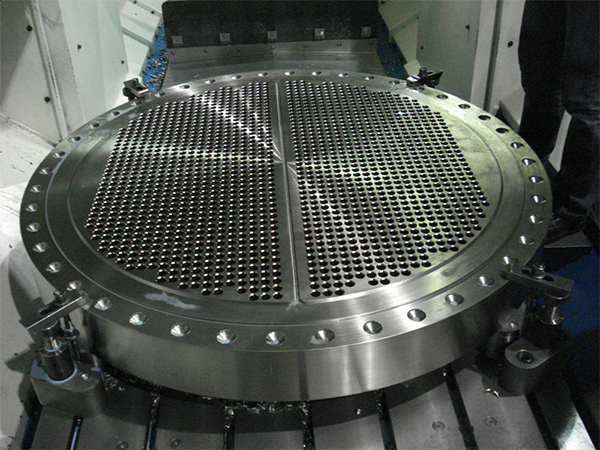
- Chemical Processing: Reactors, heat exchangers, and piping systems handling hydrochloric, sulfuric, and phosphoric acids.
- Acetic Acid Production: Critical equipment for acetic acid manufacturing where reducing conditions prevail.
- Vacuum Furnaces: Components exposed to high temperatures and reducing atmospheres.
- Pharmaceutical Industry: Equipment requiring high purity and corrosion resistance.
Pros & Cons
| Pros | Cons |
|---|---|
| Unrivaled resistance to hydrochloric acid. | Susceptible to rapid attack in oxidizing environments (e.g., presence of ferric or cupric salts). |
| Excellent thermal stability for welding and forming. | Higher cost compared to B-2 or standard stainless steels. |
| Maintains high ductility after heat exposure. | Requires strict control of impurities in the medium. |
Global Case Study: Acetic Acid Manufacturing
In a major acetic acid production facility, Hastelloy B-3 was selected for the reactor internals and primary heat exchangers. Previously, standard Ni-Mo alloys suffered from embrittlement in the heat-affected zone (HAZ) of welds during extended service. The transition to Hastelloy B-3, with its superior thermal stability, significantly reduced downtime and maintenance costs by eliminating the need for post-weld heat treatment and ensuring long-term structural integrity in the aggressive reducing environment.
Frequently Asked Questions (FAQ)
Q1: What is the main difference between Hastelloy B-2 and B-3?
A: The primary difference is thermal stability. B-3 alloy is less prone to embrittlement during welding and fabrication, making it much easier to work with while maintaining the same level of corrosion resistance as B-2.
Q2: Can Hastelloy B-3 be used in oxidizing environments?
A: No. Hastelloy B-3 is specifically designed for reducing environments. The presence of oxidizing contaminants like ferric ions, cupric ions, or free chlorine will lead to rapid failure.
Q3: Is post-weld heat treatment necessary for B-3?
A: Generally, no. Thanks to its enhanced thermal stability, B-3 maintains its properties after welding, unlike earlier B-series alloys that often required solution annealing to restore corrosion resistance.
Q4: What concentrations of Hydrochloric Acid can B-3 handle?
A: It can handle all concentrations (from dilute to concentrated) at temperatures ranging from ambient to boiling point.
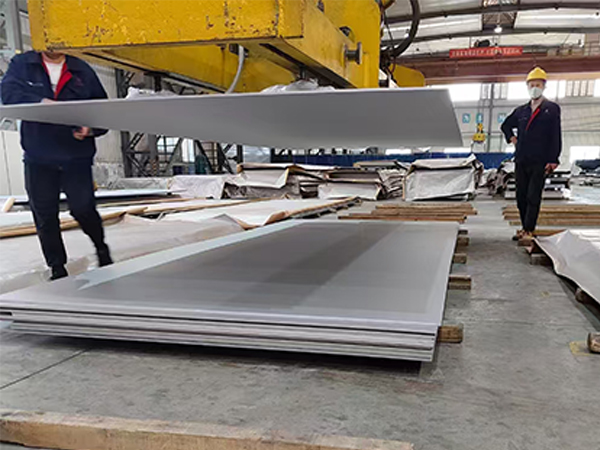
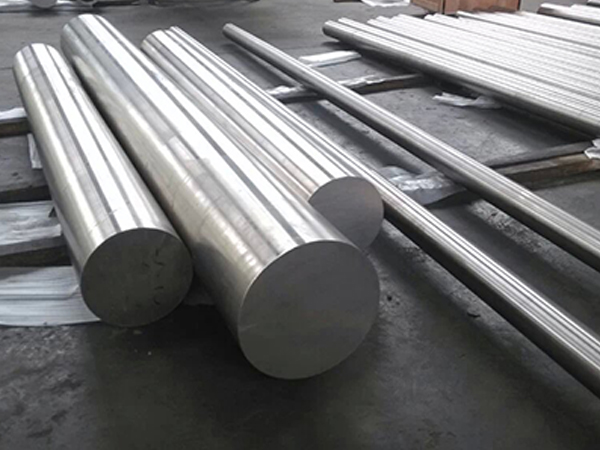
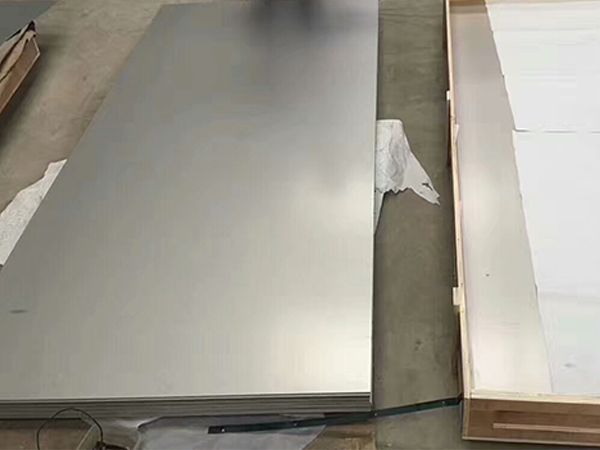
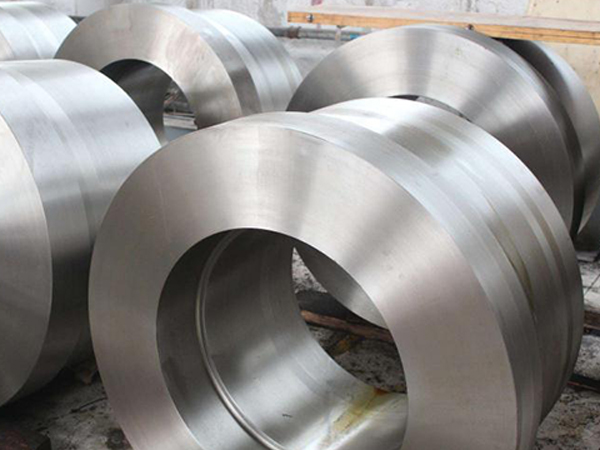
Q5: What are the common product forms for ASTM B335?
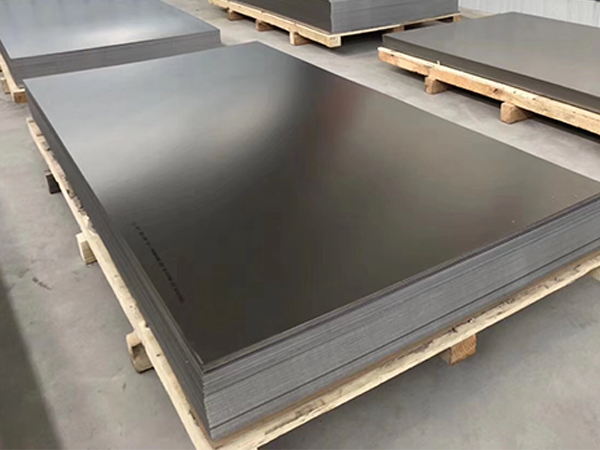
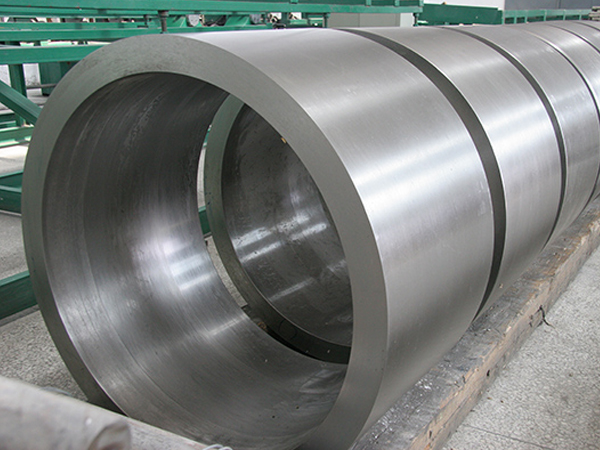
A: ASTM B335 specifically covers round bars. Other forms like plates (ASTM B333) and pipes (ASTM B622) are covered by different ASTM standards.
Q6: Why is Hastelloy B-3 more expensive?
A: The cost is driven by the high molybdenum content (~30%) and the advanced manufacturing processes required to ensure its specific microstructure for thermal stability.