
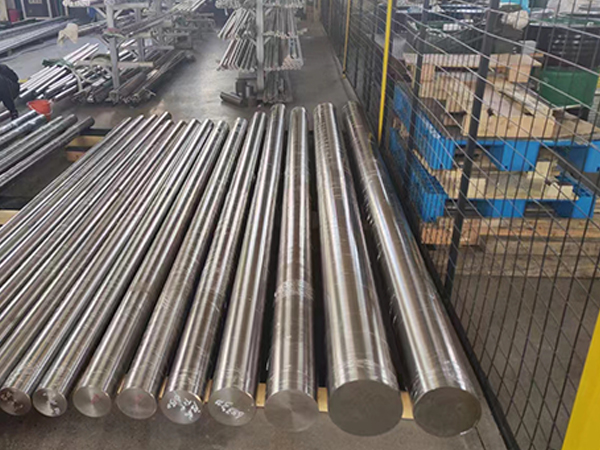

Excerpt:
Incoloy A-286 (UNS S66286, W.Nr. 1.4980) technical whitepaper from Shanghai Hangbo Alloy Group. Age-hardenable, gamma-prime strengthened Fe-Ni-Cr superalloy to AMS 5731/5732/5737 for jet-engine fasteners, turbine and oilfield components up to 700 C; NACE MR0175 sour-service qualified; VIM+VAR melted for fatigue-critical parts.
Technical Whitepaper: Incoloy A-286 (UNS S66286 / W.Nr. 1.4980) — High-Strength Superalloy for Fasteners and Turbines | Hangbo Alloy
Introduction
Incoloy A-286 (UNS S66286) is an iron-nickel-chromium based superalloy designed for applications requiring high strength and corrosion resistance up to 700°C (1300°F). It is age-hardenable by the precipitation of a gamma prime phase, which provides exceptional mechanical properties at both room and elevated temperatures. Widely used in the aerospace, automotive, and oil and gas industries, A-286 is the material of choice for high-stress components such as jet engine fasteners, turbine blades, and manifold bolts. Shanghai Hangbo Alloy Group provides certified A-286 stock for mission-critical engineering projects.
1. Chemical Composition
The high-strength performance of A-286 is driven by its high Titanium and Aluminum content, which facilitates the aging process.
| Element | Min % | Max % | Function in Incoloy A-286 |
|---|---|---|---|
| Nickel (Ni) | 24.0 | 27.0 | Base for austenite stability and oxidation resistance |
| Chromium (Cr) | 13.5 | 16.0 | Primary corrosion and high-temp oxidation resistance |
| Titanium (Ti) | 1.90 | 2.35 | Primary gamma-prime (γ') hardening agent |
| Molybdenum (Mo) | 1.00 | 1.50 | Enhances solid-solution strength and creep resistance |
| Aluminum (Al) | - | 0.35 | Assists in precipitation hardening |
| Vanadium (V) | 0.10 | 0.50 | Improves ductility and grain size control |
| Boron (B) | 0.003 | 0.010 | Improves high-temperature ductility and creep-rupture life |
| Iron (Fe) | Balance | Balance | Cost-effective base for high-strength matrix |
2. Mechanical Properties (Aged Condition)
A-286 is typically supplied in the solution-treated and aged condition to maximize its tensile and yield strength.
| Property | Value (Metric) | Value (Imperial) |
|---|---|---|
| Tensile Strength | 965 MPa min | 140 ksi min |
| Yield Strength (0.2% Offset) | 655 MPa min | 95 ksi min |
| Elongation | 15% min | 15% min |
| Hardness (Rockwell C) | 24 - 35 HRC | 24 - 35 HRC |
Note: For fastener applications (AMS 5737), higher strength levels can be achieved through cold work before aging.
3. Performance at Elevated Temperatures
Unlike standard stainless steels, A-286 maintains significant load-carrying capacity at heat.
| Temperature (°C) | Temperature (°F) | Tensile Strength (MPa) | Yield Strength (MPa) |
|---|---|---|---|
| Room Temp | 70 | 1000 | 700 |
| 540 | 1000 | 850 | 620 |
| 650 | 1200 | 720 | 580 |
| 700 | 1300 | 620 | 540 |
4. Corrosion and Oxidation Resistance
While primarily chosen for strength, A-286 offers excellent resistance to atmospheric corrosion and oxidation up to 815°C (1500°F). It is also resistant to "Sour Gas" environments and is included in NACE MR0175 for use in oilfield components.
5. Typical Applications
- Aerospace: Jet engine fasteners, turbine wheels, frames, and casings.
- Oil & Gas: Non-magnetic subsurface tools, high-strength bolts, and valves.
- Automotive: Exhaust valves, manifold bolts, and turbocharger components.
- Cryogenics: High-strength components requiring toughness at very low temperatures.
Hangbo Alloy Quality and Forging Expertise
Shanghai Hangbo Alloy Group ensures Incoloy A-286 performance through:
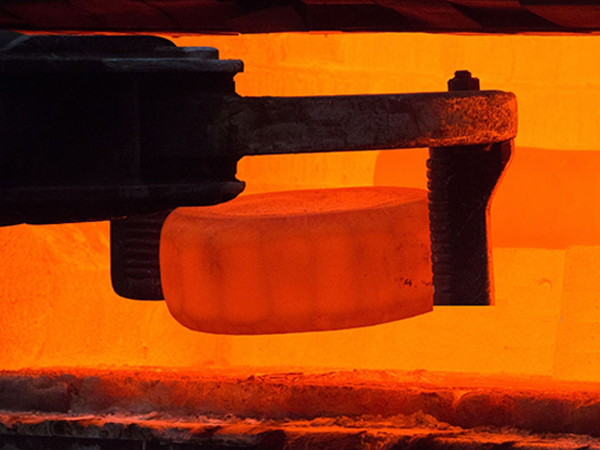
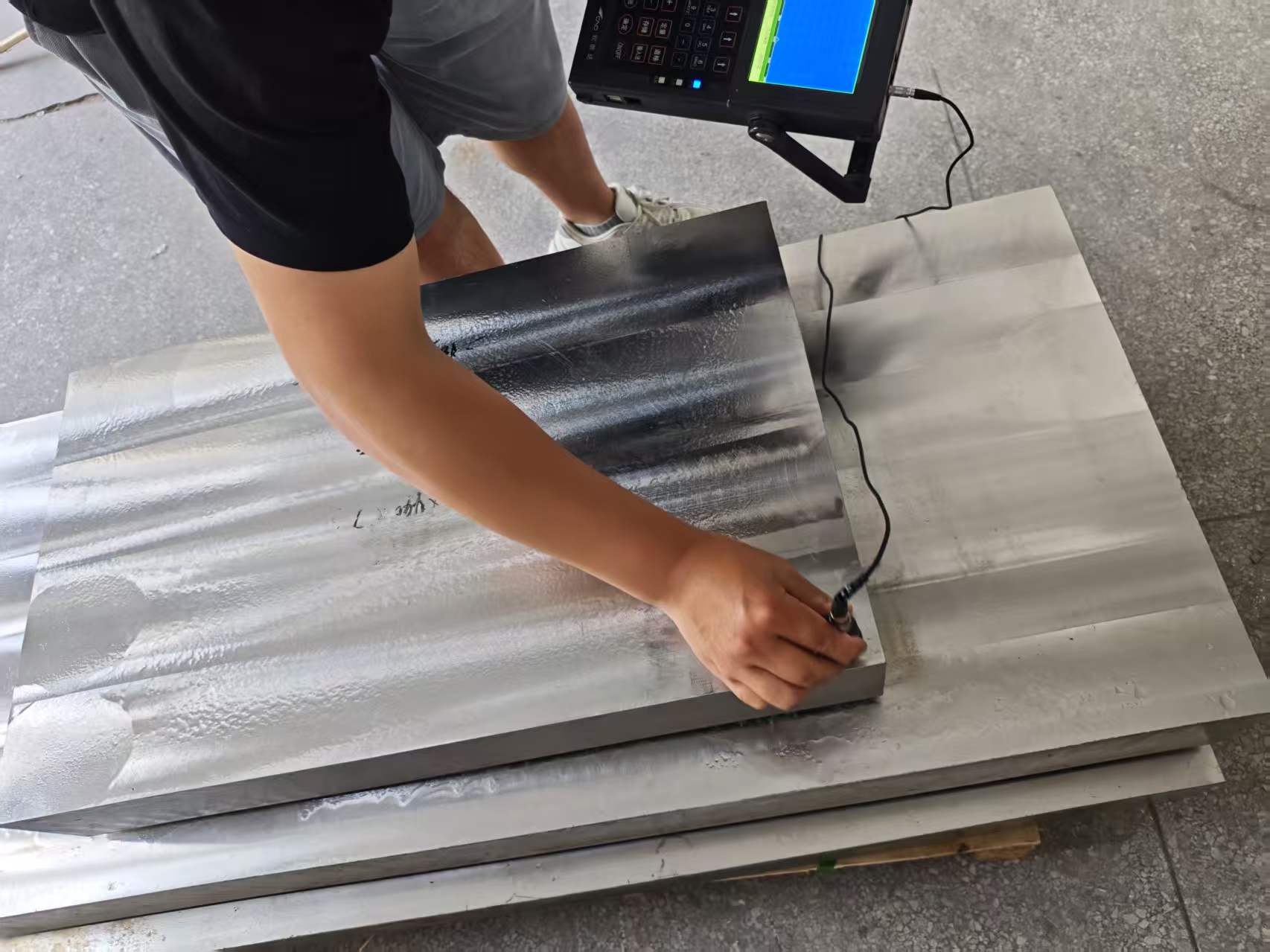
- Vacuum Melting: Utilization of VIM + VAR (Vacuum Arc Remelting) for ultra-clean material, essential for fatigue-critical aerospace parts.
- Precise Aging: Strictly controlled heat treatment cycles to ensure uniform gamma-prime distribution.
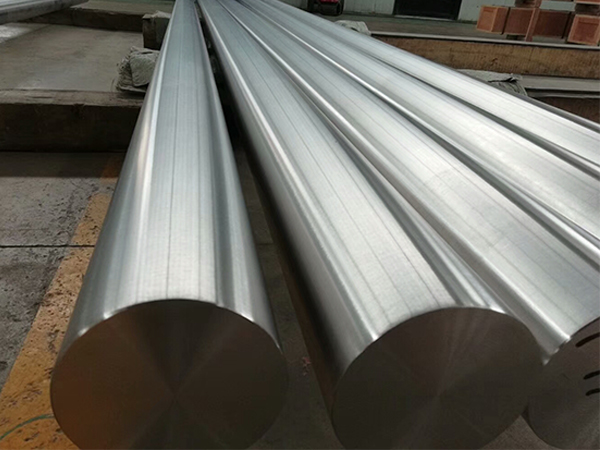
- Fastener Grade Stock: Specialized bar stock processing for high-volume cold-heading applications.
Technical FAQ
Q1. How does A-286 compare to Inconel 718?
A: A-286 is an iron-base alloy and is more cost-effective. However, Inconel 718 has much higher strength and is suitable for higher temperatures (up to 760°C).
Q2. Can A-286 be used in cryogenic service?
A: Yes, it maintains excellent ductility and impact strength down to -196°C (-320°F), making it a versatile choice for extreme temp ranges.
Q3. Is A-286 magnetic?
A: Incoloy A-286 remains non-magnetic in all conditions, which is critical for many oilfield and electronic applications.
Q4. What are the main ASTM/AMS standards for A-286?
A: AMS 5731, 5732, and 5737 cover bar and forgings. ASTM A453 and A638 are the primary industrial standards.
Q5. Is A-286 easy to machine?
A: It is more difficult than standard stainless steels due to its high work-hardening rate. We recommend machining in the solution-treated condition.
Q6. What is the benefit of Boron in A-286?
A: Small additions of Boron improve the grain boundary strength, significantly extending the creep-rupture life at high temperatures.
Q7. Can A-286 be welded?
A: Yes, but it is susceptible to hot cracking in the heat-affected zone. Pre-weld solution treatment and careful filler selection (like Incoloy 902) are advised.
Q8. Does Hangbo Alloy provide customized forgings for A-286?
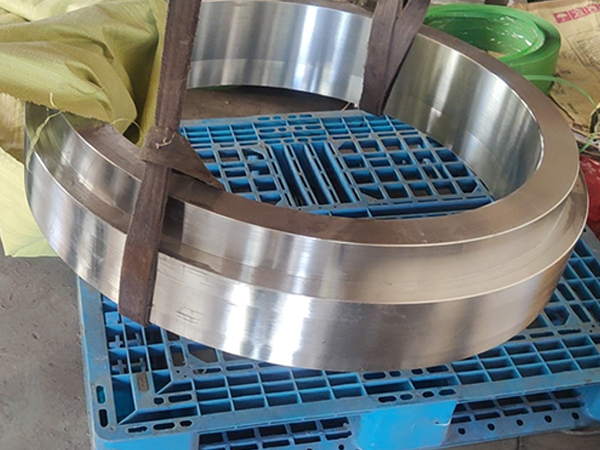
A: Yes, we provide forged rings, discs, and stepped shafts tailored to your engineering drawings.
Q9. What is the maximum hardness of A-286?
A: After full aging, it typically reaches 24-35 HRC. With cold work, it can reach slightly higher levels for specific high-strength fasteners.
Q10. Why is Titanium control so important for A-286?
A: Titanium is the primary driver of the hardening phase. If it falls below 1.9%, the alloy will fail to meet the mandated yield strength levels after aging.
This page is part of the technical guide series published by Hangbo Alloy (Shanghai Hangbo Alloy Group, nickel-alloy.com). Data presented are typical engineering values compiled from recognized industry and producer sources and are provided for material selection guidance; the governing documents for any purchase are the applicable ASTM/ASME/AMS specifications and the certified mill test report. Contact Hangbo Alloy for current stock, mill certificates, PMI verification, and application engineering support.