

Excerpt:
Monel 401 (UNS N04401) technical guide from Hangbo Alloy: the low-TCR nickel-copper alloy engineered for precision resistors, shunts and ballast resistors. Specified chemistry, electrical and physical property data, TCR behavior, and fabrication guidance for electronics OEMs.
Monel 401 (UNS N04401) — Low-Temperature-Coefficient Nickel-Copper Alloy for Electrical and Electronic Components | Hangbo Alloy
High-Precision Engineering Reference for Resistance Wire, Instrument Strip, and Precision Electrical Components
Introduction
Monel 401 — registered as UNS N04401 and referenced in European practice under W.Nr. 2.0842 — is the electrical-engineering member of the Monel nickel-copper family. Where Monel 400 (UNS N04400) is balanced at roughly two-thirds nickel for general corrosion service, Monel 401 is deliberately inverted: approximately 40–45% nickel with the balance copper, a composition tuned for one dominant requirement — electrical resistance that stays essentially constant as temperature changes. Its electrical resistivity of roughly 0.5 µΩ·m (about 50 µΩ·cm) sits in the medium range of the resistance-alloy spectrum, and its temperature coefficient of resistance (T.C.R.) is very low across the operating range of precision instruments.
That combination of properties — medium resistivity, a nearly flat resistance-versus-temperature curve, good ductility, useful corrosion resistance, and a Curie temperature far below the normal ambient range so the alloy is effectively non-magnetic — is what makes Monel 401 the specified material for wire-wound precision resistors, potentiometer windings, electrical shunts, bimetal contacts, and measuring-instrument components where a drift in resistance of a few tenths of a percent would corrupt the measurement.
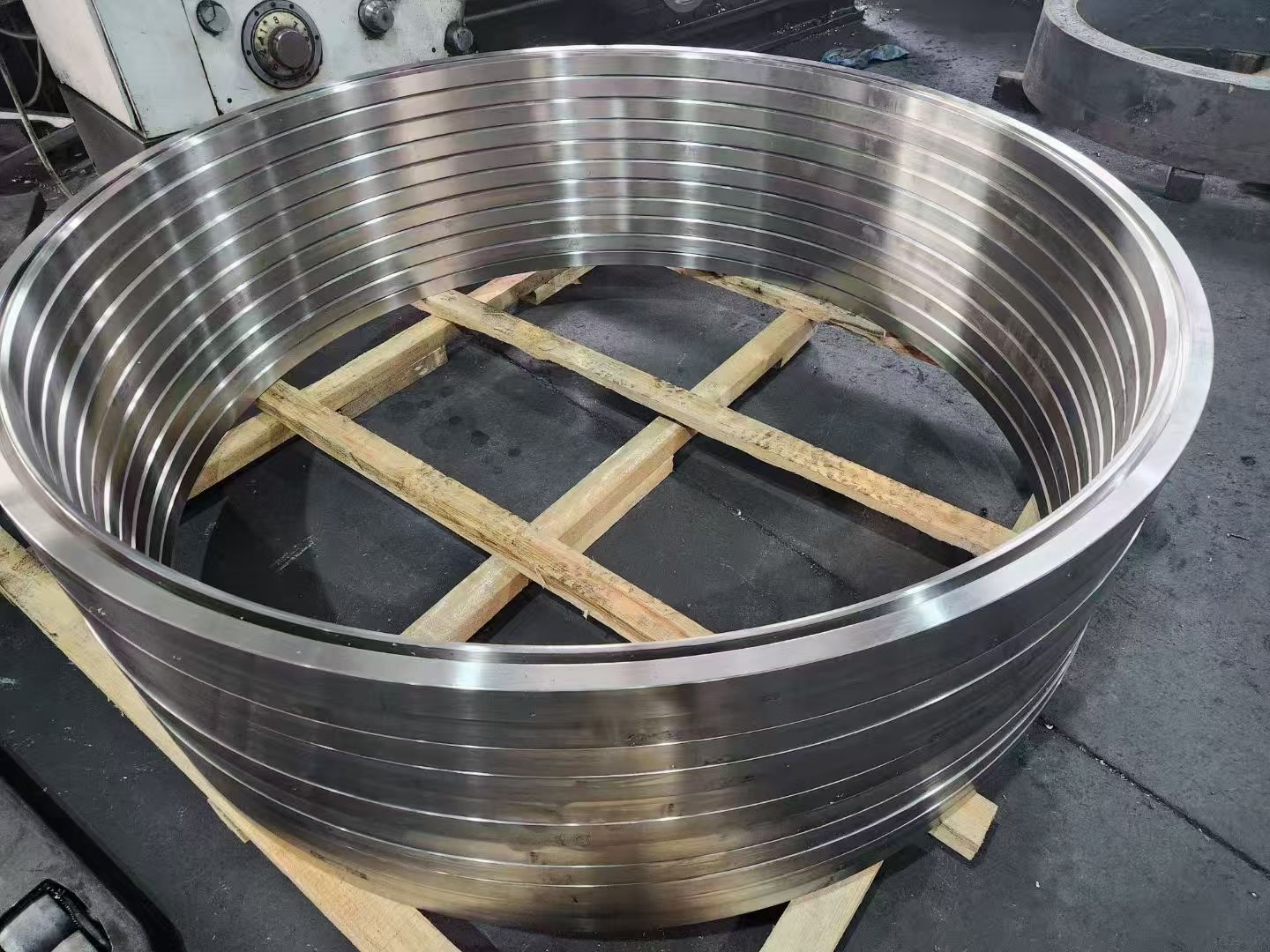
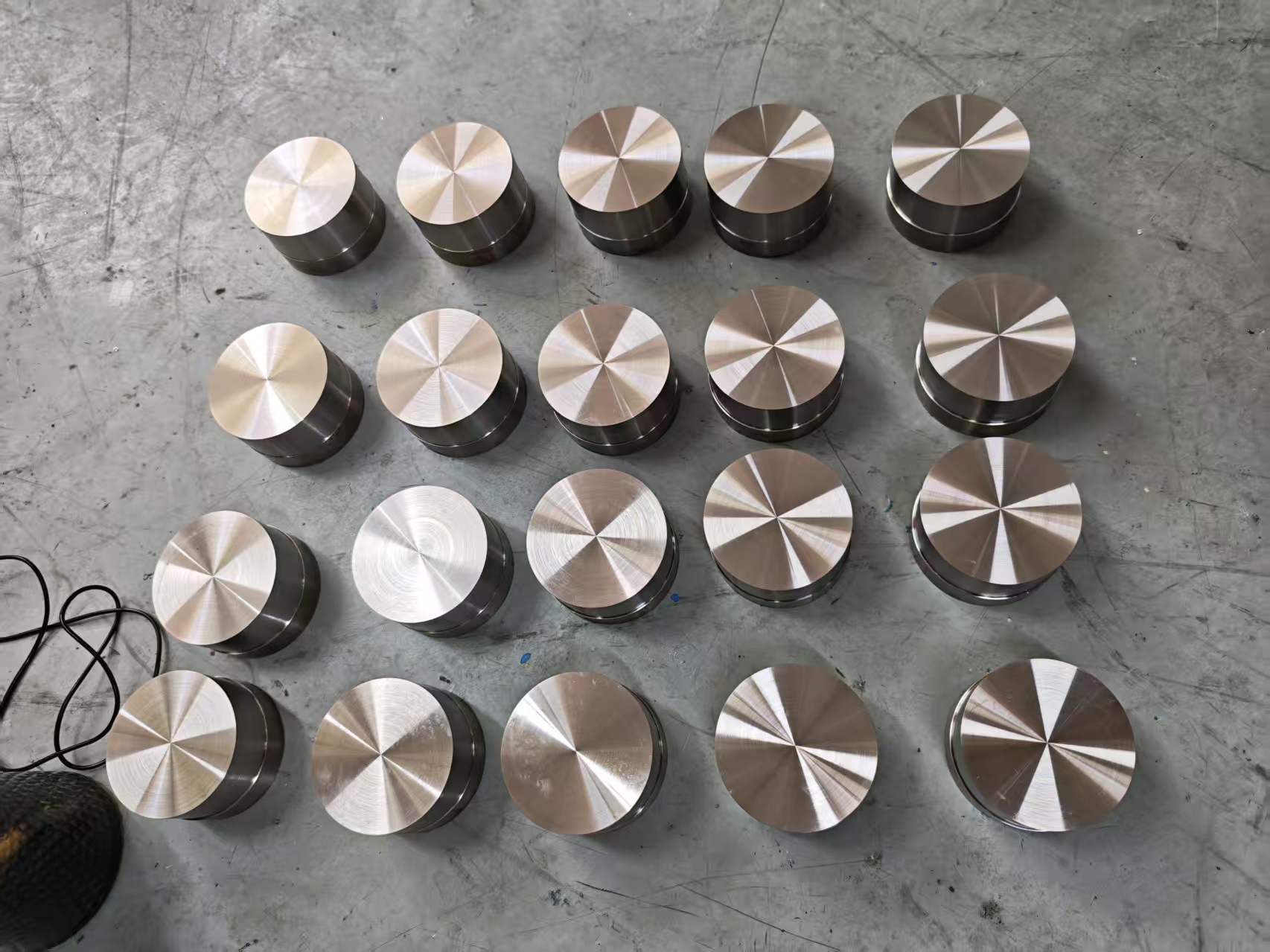
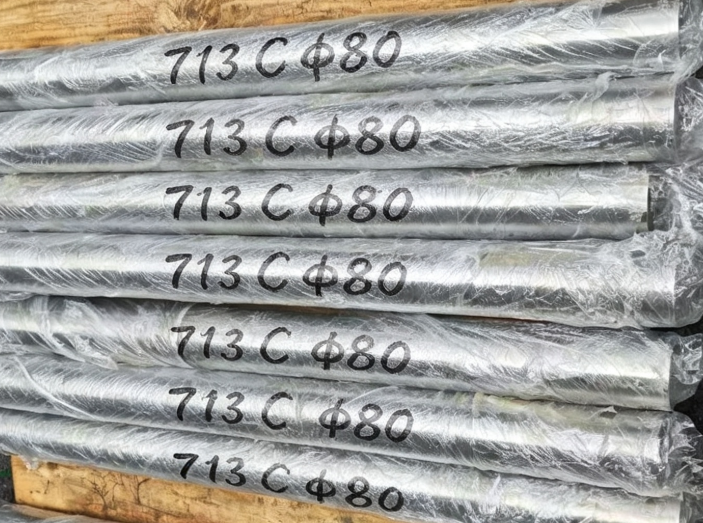
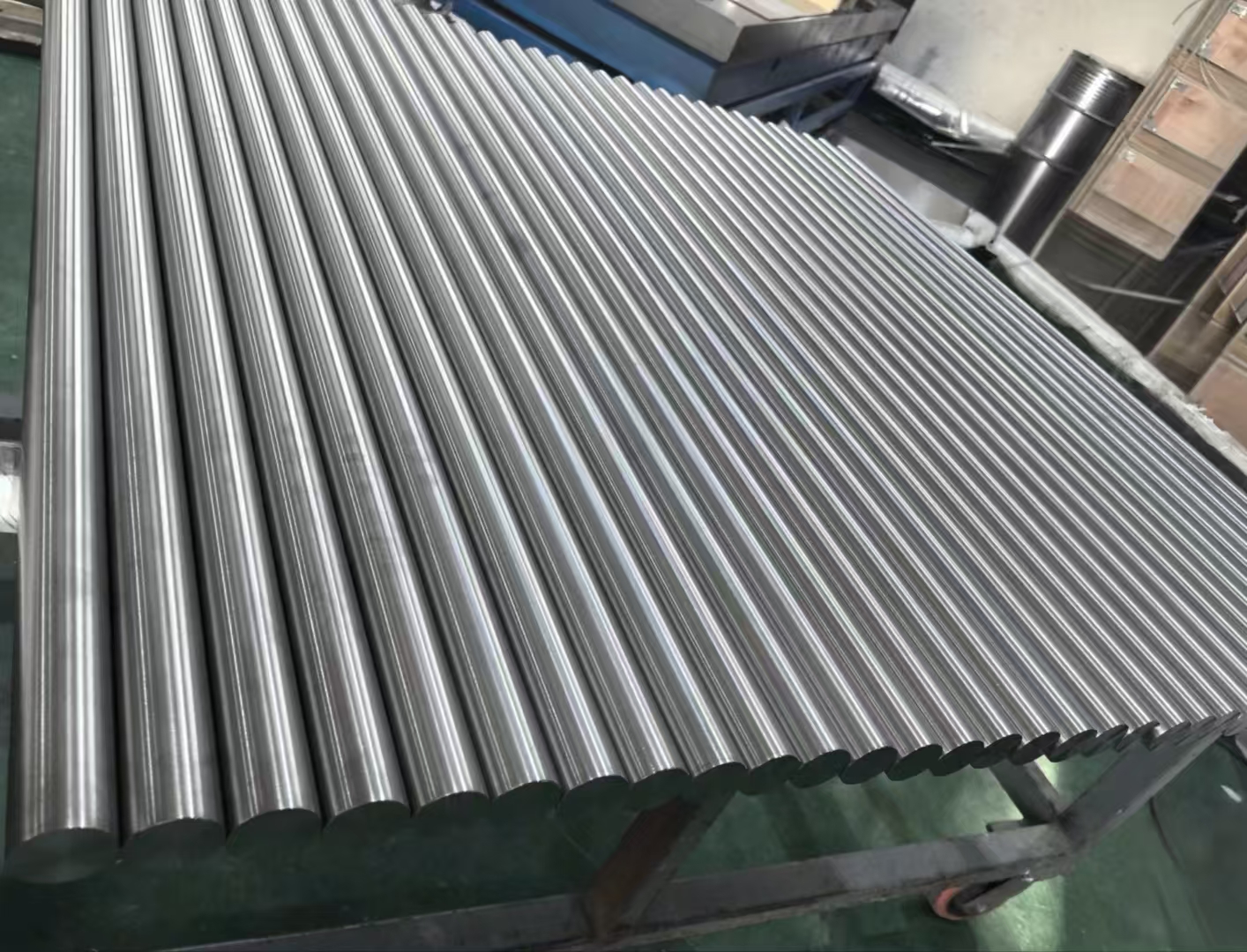
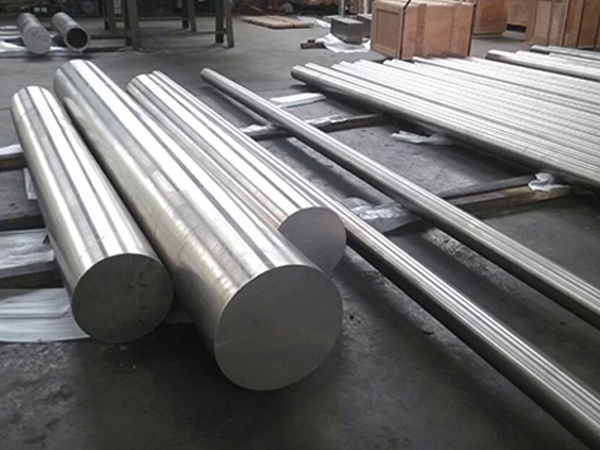
Shanghai Hangbo Alloy Group supplies Monel 401 as round, flat, and shaped wire; strip, ribbon, and foil; rod and bar; and customer-drawn precision profiles, supplied in controlled tempers with electrical resistivity and resistance-per-unit-length verified on every lot. This guide provides the material data, specification framework, and fabrication guidance needed to select and procure N04401 for electrical and electronic duty.
1. Alloy Identity and Physical Metallurgy
| Property | Value | Notes |
|---|---|---|
| UNS designation | N04401 | Nickel-copper electrical-resistance alloy |
| Common trade name | Monel 401 | Part of the Monel nickel-copper family |
| Werkstoff number | 2.0842 | DIN/EN designation used across Europe |
| Nominal composition | ~44 Ni / ~55 Cu, balance residuals | Copper-rich member of the Monel family |
| Density | ~8.91 g/cm³ | Room temperature |
| Melting range | ~1280–1343 °C | Solidus–liquidus |
| Crystal structure | FCC (austenitic) | Single-phase solid solution; no age-hardening response |
| Electrical resistivity | ~0.5 µΩ·m (~50 µΩ·cm, ~295 Ω·cmil/ft) | Medium range for resistance alloys |
| Temperature coefficient of resistance | Very low | The defining characteristic; tight tolerances per order |
| Magnetic behavior | Essentially non-magnetic | Curie temperature well below normal service range |
| Product forms | Wire, strip, ribbon, foil, rod, bar, profiles | Annealed or controlled cold-worked tempers |
The metallurgy of Monel 401 is best understood by contrast with its better-known siblings:
- Composition is the product. In the nickel-copper system, electrical resistivity rises steeply as copper and nickel are alloyed together, and the temperature coefficient of resistance falls as the composition approaches the region where electron scattering is dominated by solute atoms rather than by lattice vibration. Monel 401 is balanced near that regime: it keeps the Ni-Cu system's useful corrosion resistance and ductility while delivering resistance values far more stable with temperature than pure copper, pure nickel, or the 70/30 nickel-copper alloys.
- Resistance is controlled by chemistry and cold work. Resistivity is governed primarily by composition, while the mechanical temper (annealed versus cold-drawn) controls strength and slightly influences the resistance-temperature slope. For this reason, wire and strip are produced to tight composition windows and supplied in defined tempers, with resistivity and resistance per unit length verified rather than assumed.
- It is a single-phase, non-heat-treatable alloy. Like the other Monel alloys, 401 work-hardens and is softened by annealing; there is no precipitation reaction. That makes its electrical behavior inherently reproducible from heat to heat when composition control is disciplined — the central quality task of the producer.
- Non-magnetic response protects instrument accuracy. Because its Curie temperature lies far below the normal operating range, Monel 401 components neither attract ferromagnetic debris nor introduce permeability errors into sensitive circuitry — an essential property for precision measuring equipment.
2. Governing Specifications — Bar, Rod, Wire, and Resistance Product
| Product Form | Governing Specification | Related Standards | Typical Supply by Hangbo Alloy |
|---|---|---|---|
| Rod, bar, and wire | ASTM B164 | ASME SB-164 | Round bar Ø 3–300 mm; wire per drawing |
| Resistance wire and ribbon | ASTM B267 | DIN 17471 | Round, flat, and ribbon in controlled tempers |
| Strip, foil, and precision profiles | ASTM B267 (as applicable) | DIN 17471, customer electrical spec | Slit widths, coils, and custom sections |
| Sheet and plate | Customer or drawing-based spec | — | Machined blanks and contact plate |
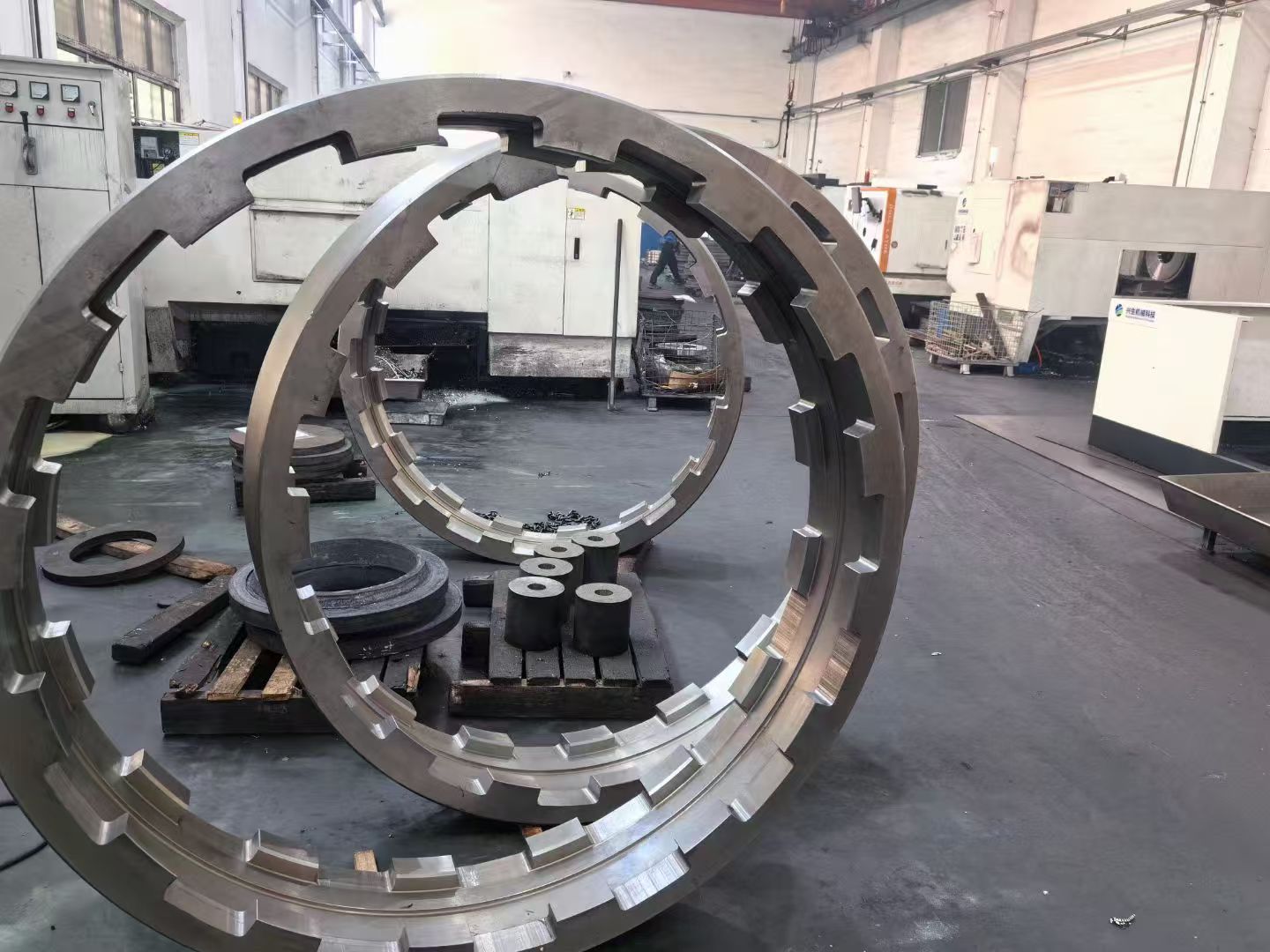
| Machined and formed components | Customer drawing | — | Shunts, terminals, contacts, instrument parts |
For precision resistance product the governing document is often the customer's own electrical specification, which states nominal resistivity, T.C.R. tolerance, resistance-per-unit-length, temper, and dimensional tolerances. Hangbo Alloy recommends stating the full callout — "Monel 401 (UNS N04401) resistance wire per ASTM B267, nominal resistivity 0.5 µΩ·m, T.C.R. per agreed tolerance" — and confirming the mill certificate reports both chemistry and measured electrical values.
3. Chemical Composition (Specified Ranges)
The limits below follow the UNS N04401 registration as applied by Hangbo Alloy; copper is the balance element.
| Element | Specified Range (wt %) | Typical Hangbo Alloy Heat | Role-in-Alloy / Watch-Point |
|---|---|---|---|
| Copper (Cu) | Balance (~52–58) | ~55 | Principal matrix element; sets the resistivity plateau |
| Nickel (Ni) | 40.0 – 45.0 | ~44 | Controls resistivity and its temperature stability |
| Manganese (Mn) | 2.25 max | ~1.0 | Deoxidizer; contributes to resistance stability |
| Iron (Fe) | 0.75 max | ~0.3 | Held low to protect electrical and magnetic stability |
| Cobalt (Co) | 0.25 max | ≤0.1 | Controlled; influences magnetic behavior |
| Silicon (Si) | 0.25 max | ~0.10 | Deoxidizer; affects brazing behavior |
| Carbon (C) | 0.10 max | ≤0.05 | Held low for ductility and cleanliness |
| Sulfur (S) | 0.015 max | ≤0.005 | Controlled for surface quality and processing |
| Chromium (Cr) | 0.10 max (typical control) | ≤0.05 | Residual; kept minimal |
The number to verify on every Monel 401 certificate is the nickel content (40.0–45.0%), because it positions the alloy on the resistivity-versus-temperature curve. A heat that drifts outside the window shifts both nominal resistivity and the temperature coefficient, which is exactly what a resistance-element purchaser cannot accept. Hangbo Alloy reports full chemistry and measured electrical values on every lot of N04401.
4. Electrical and Physical Properties — The Engineering Data
| Property | Value | Notes |
|---|---|---|
| Electrical resistivity (annealed, ~21 °C) | ~0.498 µΩ·m (~49.8 µΩ·cm) | ≈ 294–300 Ω·cmil/ft |
| Temperature coefficient of resistance | Very low; ±20 × 10⁻⁶/°C region typical | Tight production tolerance per customer spec |
| Thermal conductivity | ~21 W/m·°C | Moderate; relevant to resistor power rating |
| Mean coefficient of expansion (21–93 °C) | ~13.7 × 10⁻⁶/°C | Matches ceramic and glass substrates reasonably |
| Specific heat | ~414 J/kg·°C | — |
| Modulus of elasticity | ~179 GPa | Room temperature |
| Density | 8.91 g/cm³ | Room temperature |
| Magnetic permeability | ~1.00 (essentially non-magnetic) | Curie point far below ambient range |
| Melting range | ~1280–1343 °C | Typical solidus–liquidus |
For the circuit designer the practical message is straightforward: a Monel 401 resistor element wound from controlled stock holds its resistance within a small fraction of its nominal value across the temperature span of the instrument, without the several-percent drift that copper or ordinary nickel-chromium wire would introduce. For the purchasing engineer, the same message means that the certificate's measured resistivity and T.C.R. — not just the alloy name — are the acceptance criteria.
5. Why Low T.C.R. Matters — The Electrical Design Section
| Application Need | Monel 401 Response | Design Consequence |
|---|---|---|
| Wire-wound precision resistors | Stable resistance over temperature | Instrument accuracy maintained without compensation networks |
| Potentiometer and rheostat windings | Low, reproducible T.C.R. | Taper and calibration hold across the thermal range |
| Electrical shunts and current sensors | Medium resistivity, stable value | Predictable voltage drop at rated current |
| Bimetal and contact assemblies | Good brazing behavior + stable properties | Reliable contact interfaces in thermal cycles |
| Measuring and control instruments | Non-magnetic, corrosion-resistant | No permeability drift, no ferromagnetic interference |
| Precision sensing and bridge circuits | Lot-to-lot electrical consistency | Calibration intervals extended |
Because the resistance of a drawn wire depends on its geometry as well as its resistivity, the wire producer's dimensional control is as important as chemistry control. Hangbo Alloy supplies Monel 401 wire with verified diameter, verified resistance per unit length, and documented temper so that the wound component achieves its calculated value on the first attempt.
6. Corrosion Resistance and Environmental Stability
Monel 401 is an electrical alloy first, but its service environments are rarely cleanroom benign — instruments, shunts, and contacts must survive humidity, salt-laden air, industrial atmospheres, and mild chemical exposure without drifting in resistance or corroding at the interface.
| Environment | Performance | Engineering Comment |
|---|---|---|
| Atmospheric and indoor service | Excellent; tarnish-resistant | Surface films remain thin and do not shift resistance materially |
| Marine and coastal atmospheres | Good | Ni-Cu matrix resists salt-laden air well |
| Fresh and salt water (moderate) | Useful resistance | Confirm velocity and aeration for immersed service |
| Neutral and alkaline salts | Good | Suitable for many industrial settings |
| Dilute reducing acids | Moderate | Confirm concentration, temperature, and aeration |
| Oxidizing acids | Not recommended | Ni-Cu alloys corrode rapidly |
| High-humidity / condensation | Good with proper insulation | Protect joints and terminations per instrument practice |
For electrical contacts and terminations, the practical rule is that the metal surface must stay clean enough to preserve stable contact resistance. Where required, Hangbo Alloy supplies bright-finished or plated wire and strip, and advises on joining methods that do not degrade the resistance characteristics of the element (Section 7).
7. Fabrication, Joining, and Heat Treatment
- Annealing. Full annealing softens cold-worked Monel 401 for further drawing or forming; because the alloy is single-phase, annealing temperature is not metallurgically critical, and the annealed temper delivers the high ductility (typical elongation above 40% in soft strip) needed for severe forming.
- Cold working and tempers. Wire and strip are supplied in annealed, quarter-hard, half-hard, full-hard, and spring tempers. Cold work raises strength substantially while altering resistance only mildly; the specified temper must therefore be stated on the order so that both mechanical and electrical targets are met together.
- Forming and winding. The alloy's ductility supports fine-wire winding, coiling, stamping, and bending. Design the mandrel and bend radii for the ordered temper — spring temper requires generous radii, while annealed material forms to tight geometries.
- Joining. Thin sections are readily joined by resistance welding and by brazing with standard filler metals; gas-tungsten-arc welding of thin sections is possible with careful heat input control. Because joining heat can locally anneal cold-worked material and change local resistance, joints should be placed outside the active resistance element wherever possible.
- Surface finish. Bright or oxide-free surfaces are recommended for contact applications; Hangbo Alloy can supply cleaned, bright, or coated finishes to drawing.
8. Applications — Where Monel 401 Is Specified
| Application | Service Role | Why Monel 401 Is Selected |
|---|---|---|
| Wire-wound precision resistors | Resistance element | Low T.C.R.; stable value over temperature |
| Potentiometers and rheostats | Winding wire | Uniform resistance per turn; wear-resistant |
| Electrical shunts and current sensors | Precision low-value resistors | Medium resistivity with predictable temperature behavior |
| Bimetal strip and contacts | Thermal/electrical switching | Formability plus stable electrical properties |
| Measuring instruments and bridges | Precision windings | Non-magnetic; minimal thermal drift |
| Strain-gauge and load-cell circuitry | Compensating elements | Stability and lot-to-lot consistency |
| Thermocouple extension and compensating cable | Conductor alloy | Stable EMF behavior in the Ni-Cu system |
| Electronic control assemblies | Terminals, springs, contacts | Corrosion resistance with controlled conductivity |
Monel 401 is not a high-temperature heating-element alloy and is not a high-conductivity power conductor; it is a precision-alloy product whose entire value is stability. Buyers select it when the component's resistance value — and its constancy over temperature and time — is part of the product's accuracy specification.
9. Why Buyers Select Hangbo Alloy for Monel 401
- Certified chemistry on every heat, with the nickel content (40.0–45.0%) that positions the alloy's electrical behavior verified against the UNS N04401 registration;
- Measured electrical values — resistivity and, where agreed, resistance per unit length and T.C.R. — reported on the certificate rather than assumed from grade name alone;
- Full temper program from annealed to spring, in wire, strip, ribbon, foil, rod, and bar, with dimensional verification suited to resistance-element tolerances;
- EN 10204 3.1 documentation and heat-lot traceability for instrument-grade procurement;
- Application engineering support for resistor, shunt, and instrument-component specifications, including joining and temper recommendations.
Technical FAQ — Monel 401 (UNS N04401)
1. What is Monel 401 used for? Monel 401 is used for precision electrical and electronic components that require a stable resistance value over temperature: wire-wound resistors, potentiometer and rheostat windings, shunts, bimetal contacts, instrument windings, and thermocouple extension products. Its value is constancy — medium resistivity with a very low temperature coefficient of resistance.
2. How is Monel 401 different from Monel 400? Monel 400 is balanced at roughly two-thirds nickel and is selected for marine and chemical corrosion service. Monel 401 contains much more copper (about 55%) and correspondingly less nickel (40–45%), a composition chosen to place the alloy at the low-T.C.R. region of the nickel-copper resistance system. The two alloys serve different design objectives.
3. What is the electrical resistivity of Monel 401? Approximately 0.5 µΩ·m — equivalent to about 50 µΩ·cm or 295 Ω·cmil/ft at room temperature in the annealed condition. Precise values depend on composition and temper and should be confirmed on the certificate for the ordered product.
4. Why is the temperature coefficient of resistance so low in Monel 401? In the nickel-copper system, alloying raises resistivity and flattens the resistance-versus-temperature curve compared with the pure metals. Monel 401 is compositionally balanced near this flattened region, so the resistance change between, say, room temperature and the upper instrument range is only a small fraction of the value that pure copper or nickel conductors would show.
5. Is Monel 401 magnetic? Effectively no in normal service. Its Curie temperature is far below the ambient operating range, so permeability is essentially unity and the alloy neither attracts ferromagnetic debris nor disturbs sensitive circuits — a key reason it is used in measuring instruments.
6. Which standards govern Monel 401? ASTM B164 covers rod, bar, and wire of the nickel-copper alloys including UNS N04401; resistance wire and ribbon are commonly specified to ASTM B267, with DIN 17471 used in European practice. Precision resistance product is frequently governed by the customer's electrical specification in addition to the product standard.
7. Can Monel 401 be welded or brazed? Yes. Thin sections can be joined by resistance welding, brazing with standard filler metals, or careful gas-tungsten-arc welding. Because joining heat can locally anneal cold-worked material and alter local resistance, joints should be placed outside the active resistance element and the joining procedure should preserve the required electrical properties.
8. What tempers and forms does Hangbo Alloy supply in Monel 401? Hangbo Alloy supplies wire (round, flat, square, and shaped), strip, ribbon, foil, rod, and bar, in annealed through spring tempers, with controlled dimensions and verified resistivity. Precision profiles and machined or formed components can be produced to customer drawing.
9. Does cold work change the electrical resistance of Monel 401? Cold work primarily raises strength and hardness; its effect on resistivity is secondary but measurable, which is why temper is specified together with resistance targets. The certificate should state both the mechanical condition and the measured electrical values so that the wound component meets its calculated resistance.
10. What information should a purchaser provide when ordering Monel 401? The grade and UNS number, product form and dimensions, temper, quantity, nominal resistivity or resistance per unit length, T.C.R. tolerance if specified, surface finish or coating, certificate requirements, and destination. Drawings are recommended for shaped wire, precision profiles, and finished components.
This technical guide is provided by Hangbo Alloy (Shanghai Hangbo Alloy Group Co., Ltd., nickel-alloy.com) for material-selection and engineering-reference purposes. Data presented are typical engineering values compiled from recognized industry sources and are not a substitute for the governing ASTM specifications, the customer's electrical specification, or the certified mill test report applicable to each heat. Contact Hangbo Alloy at sales@hangboalloy.com or +86 136 1165 6360 for current stock, certificates, and application engineering support.