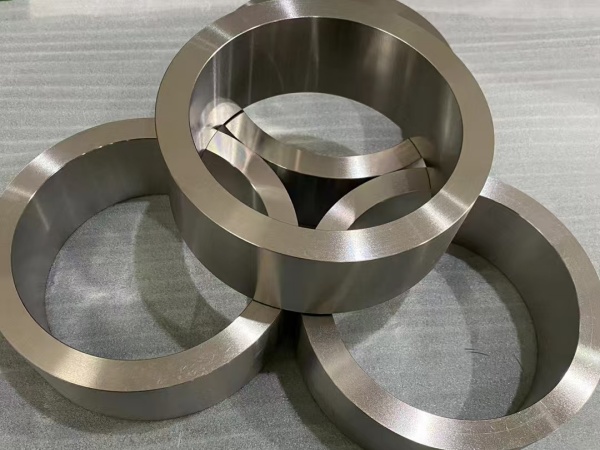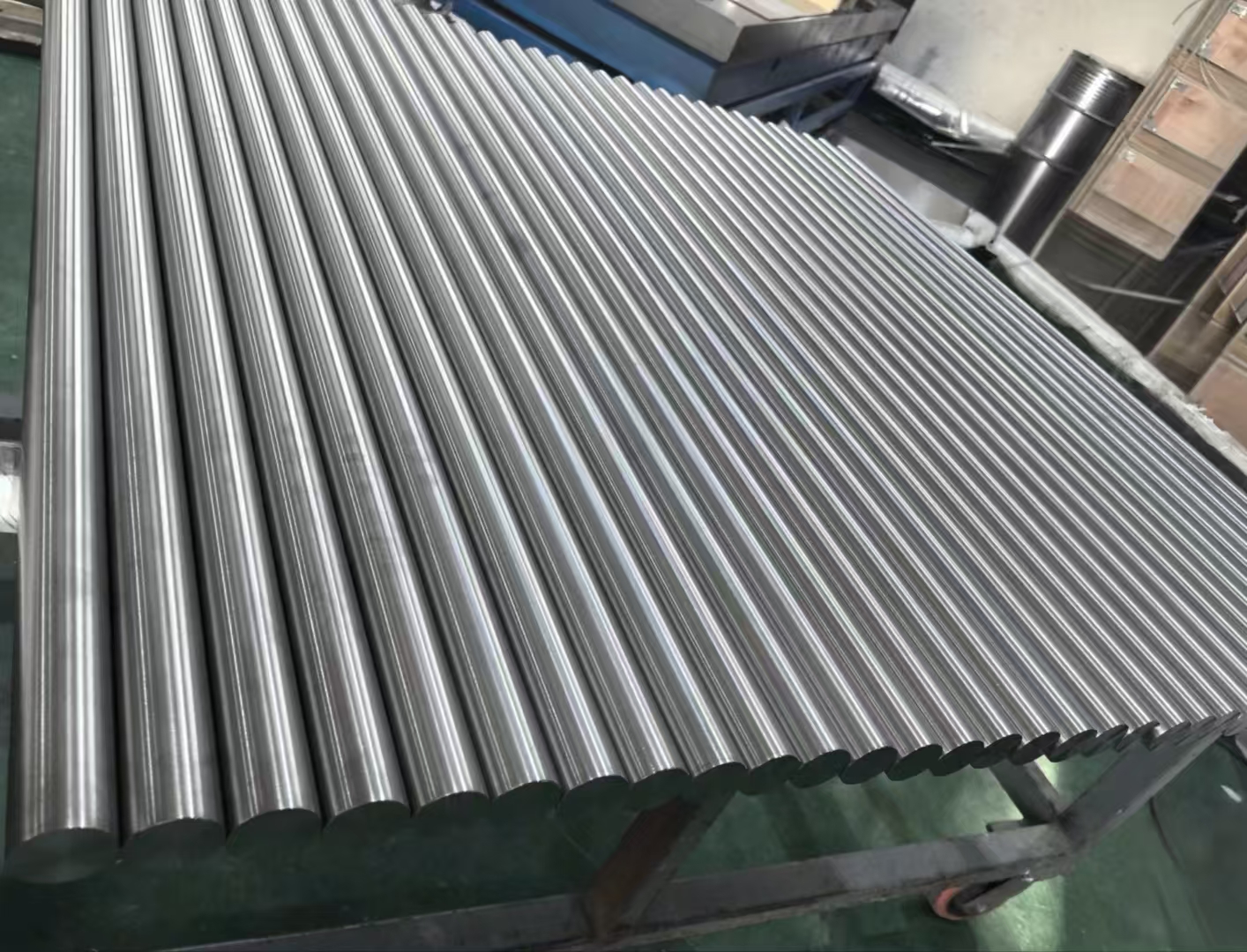




Overview: Duplex 2205 (UNS S32205) / 1.4462
Duplex 2205 is a nitrogen-enhanced duplex stainless steel that combines high strength and excellent corrosion resistance. Benchmarked against ASTM A276, it is the most widely used duplex grade, offering double the mechanical strength of standard austenitic grades like 316L.
Chemical Composition (ASTM A276 / UNS S32205)
| Element | Cr | Ni | Mo | N | Mn | Si | C | P | S | Fe |
|---|---|---|---|---|---|---|---|---|---|---|
| Range (%) | 22.0-23.0 | 4.5-6.5 | 3.0-3.5 | 0.14-0.20 | ≤2.0 | ≤1.0 | ≤0.03 | ≤0.03 | ≤0.02 | Bal. |
Mechanical Properties (Typical at Room Temp)
| Property | Tensile Strength (MPa) | Yield Strength 0.2% (MPa) | Elongation (%) | Hardness (HBW) |
|---|---|---|---|---|
| ASTM A276 Min. | 620 (90 ksi) | 450 (65 ksi) | 25 | ≤293 |
Material Characteristics & Applications
- Dual-Phase Structure: Equal parts ferrite and austenite provide superior resistance to stress corrosion cracking (SCC).
- High PREN (≥34): Excellent pitting and crevice corrosion resistance in chloride environments.
- Cost Efficiency: Lower nickel content compared to high-alloy austenitics makes it more stable in price.
Primary Applications: Chemical processing, oil and gas exploration, marine environments, and paper industry equipment.
Global Project Case: Petrochemical Heat Exchangers
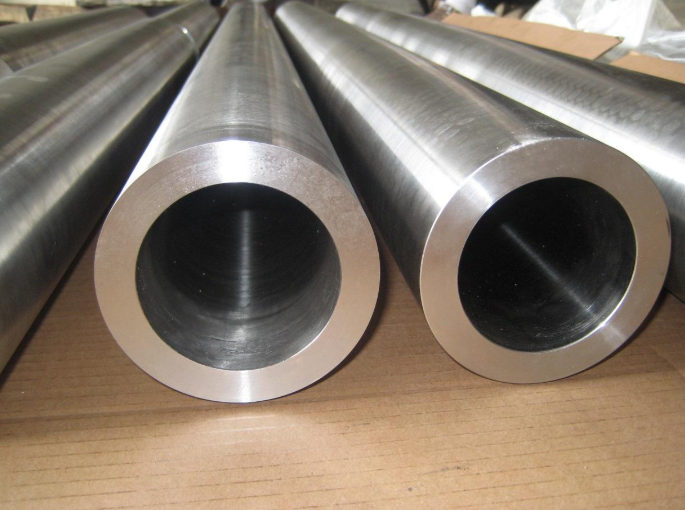
Hangbo Alloy supplied Duplex 2205 seamless tubes for a major refinery's heat exchanger unit. In this application, 2205 replaced 316L to solve chronic chloride-induced SCC issues. The switch resulted in a 40% increase in service life and significant weight savings due to the alloy's high yield strength.
Pros & Cons
- Pros: Superior strength, high SCC resistance, good weldability, and competitive pricing.
- Cons: Susceptibility to embrittlement at temperatures above 300°C; more difficult to machine than 316L.
Deep FAQ: Duplex 2205 vs. 316L
- What is the main advantage of 2205 over 316L? 2205 offers roughly double the yield strength and vastly superior resistance to stress corrosion cracking in chloride-rich media.
- Is 2205 more expensive than 316L? While the material cost per pound is higher, the high strength allows for thinner wall thicknesses, often resulting in a lower total project cost.
- Can Duplex 2205 be used in high-temperature applications? No, it is generally limited to service below 300°C (572°F) to avoid "475°C embrittlement."
- What welding filler should be used for 2205? Over-alloyed fillers like E2209 are recommended to ensure the weld metal retains its duplex balance.
- Does 2205 require post-weld heat treatment? Generally no, but cooling rates must be controlled to prevent excessive ferrite formation.
For more information, explore our Stainless Steel Product Range or contact us for Custom Forgings.
Production Process
Our material is manufactured using VIM (Vacuum Induction Melting) + VAR (Vacuum Arc Remelting) or ESR (Electroslag Refining) processes to ensure ultra-high purity and metallurgical integrity. The material undergoes precision machining and rigorous heat treatment (Solution Annealing/Aging) to achieve the specified mechanical properties and grain size consistency.
Testing & Inspection
To guarantee zero-defect delivery, all batches undergo comprehensive testing:
- UT/PT Flaw Detection: Ultrasonic and Penetrant testing to identify surface and internal defects.
- Mechanical Testing: High and low temperature tensile testing, impact testing, and hardness verification.
- Corrosion Testing: Intergranular corrosion tests and pitting resistance verification according to ASTM standards.
Quality Control
We implement a total quality management system with full-process traceability from raw material to finished product. All products are manufactured in strict compliance with ASTM, ASME, and AMS standards, accompanied by EN 10204 3.1/3.2 certificates.
Market Pain Points & Solutions
- Delivery Consistency: We address supply chain delays by maintaining a large inventory of raw billets and semi-finished products, ensuring rapid response times.
- Extreme Environment Tolerance: Our specialized melting processes ensure that our alloys maintain structural stability in highly corrosive and high-pressure environments where standard materials fail.
Deep Application Insights
- Petrochemical: Used in flare stacks and flare tips where resistance to high temperatures and sour gas corrosion is critical.
- Nuclear Power: Applied in reactor core components and control rod mechanisms due to its excellent radiation resistance and mechanical stability.
- Aerospace: Found in engine exhaust systems and turbine shroud rings where high fatigue strength and oxidation resistance are required.
Product Forms & Standards Comparison
| Product Form | Main ASTM Standard | Dimensions Range |
|---|---|---|
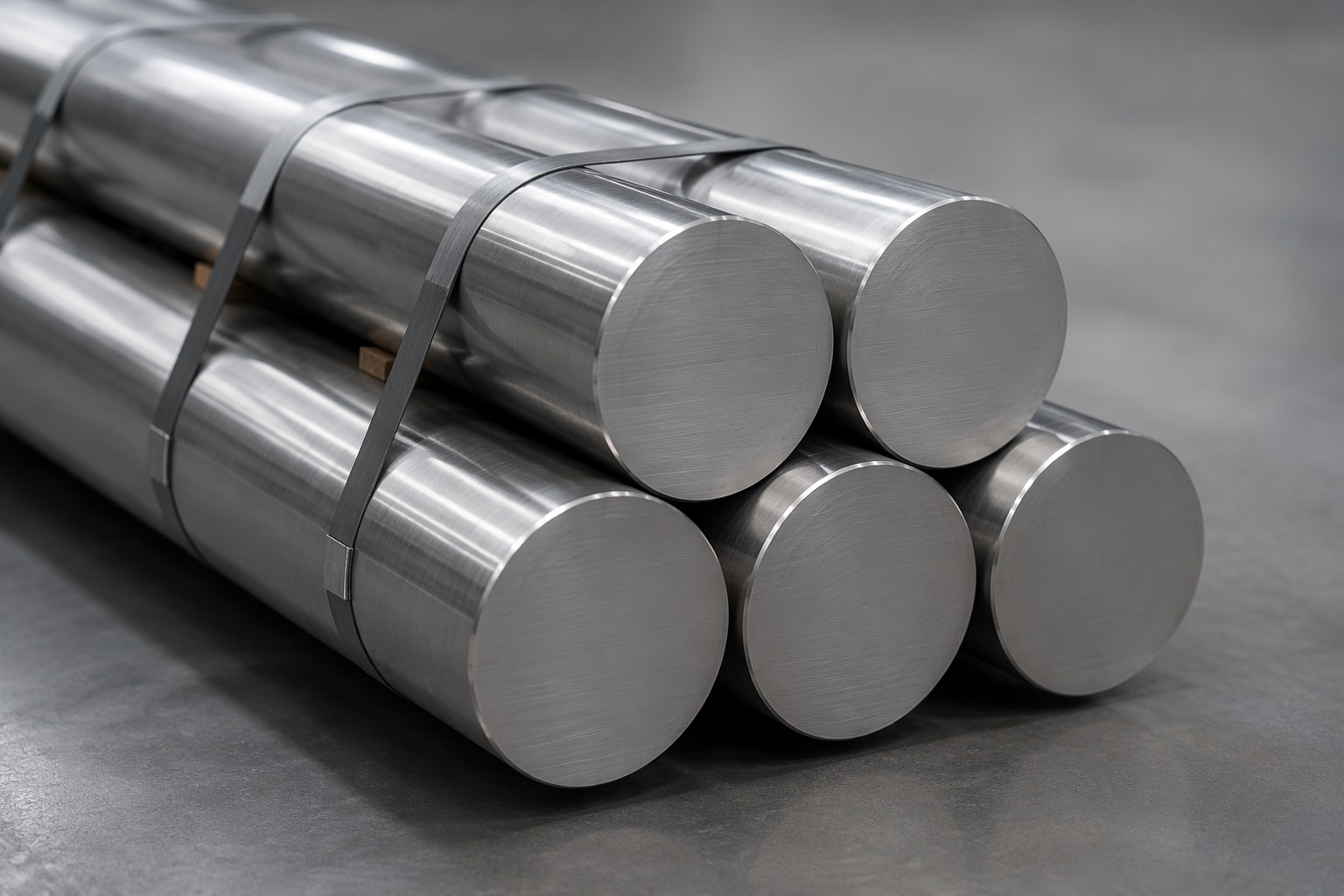
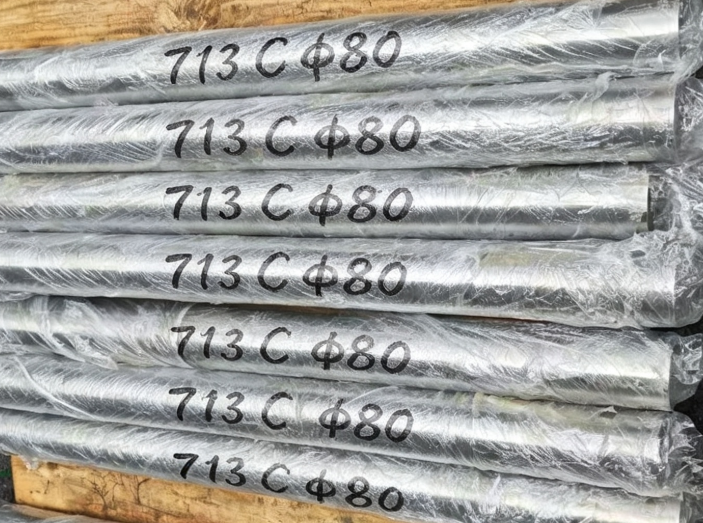
| Round Bar | ASTM A276 / A479 | Φ6mm - Φ500mm |
| Seamless Tube | ASTM A789 / A790 | OD 6mm - 219mm |
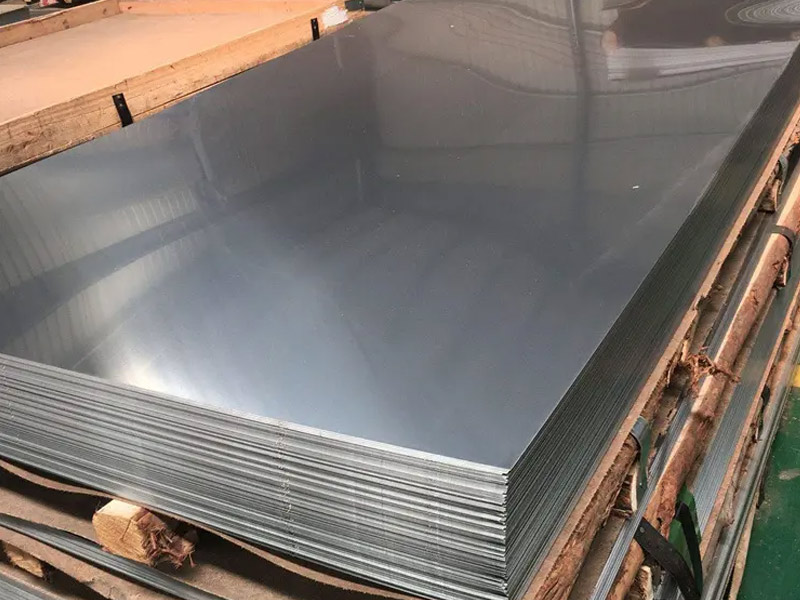
| Plate/Sheet | ASTM A240 | T 0.5mm - 50mm |
| Forgings | ASTM A182 | Custom Drawings |