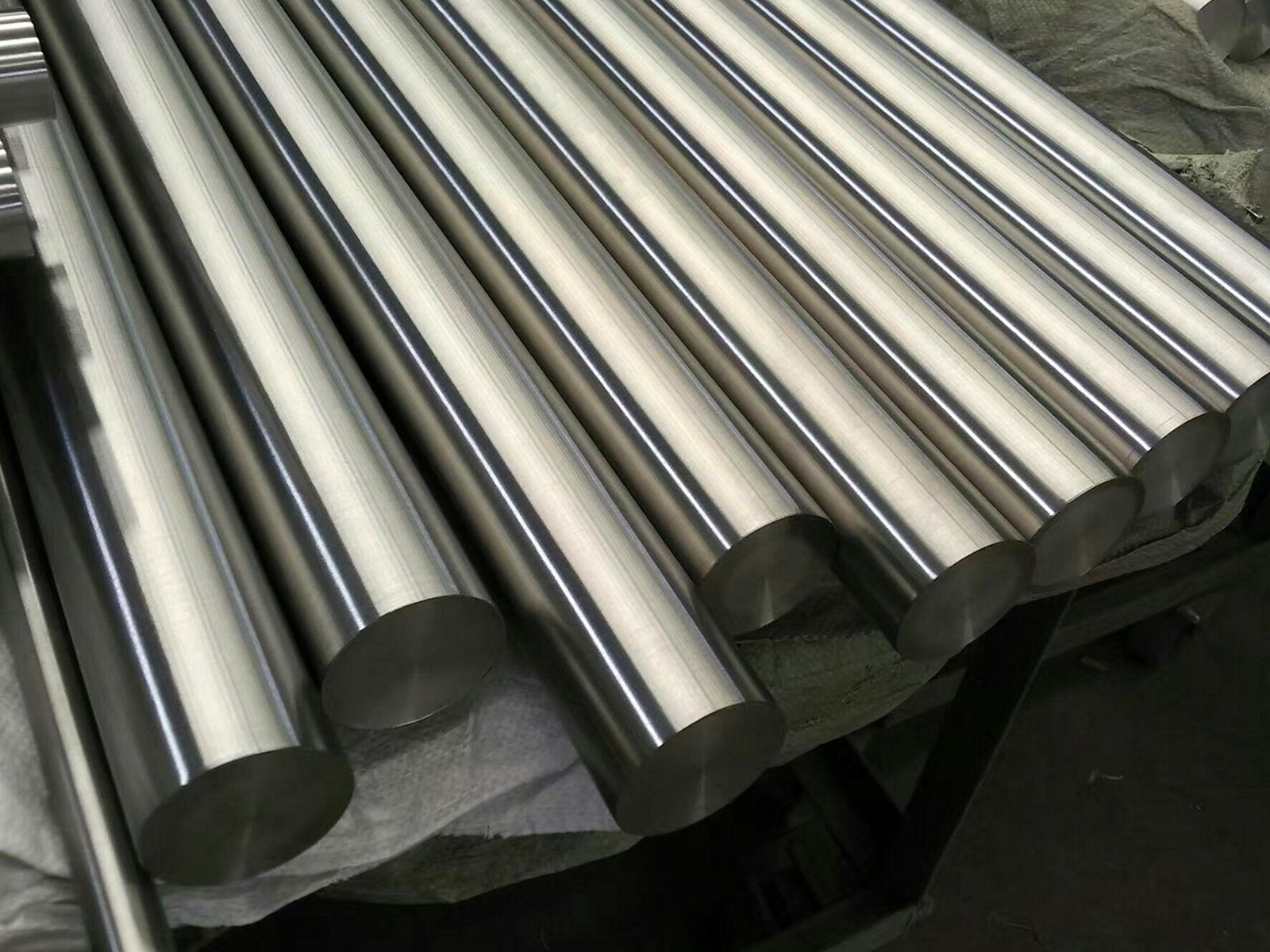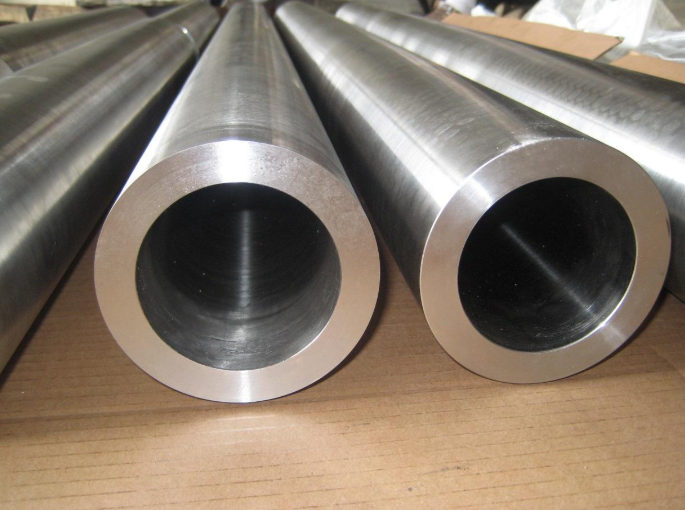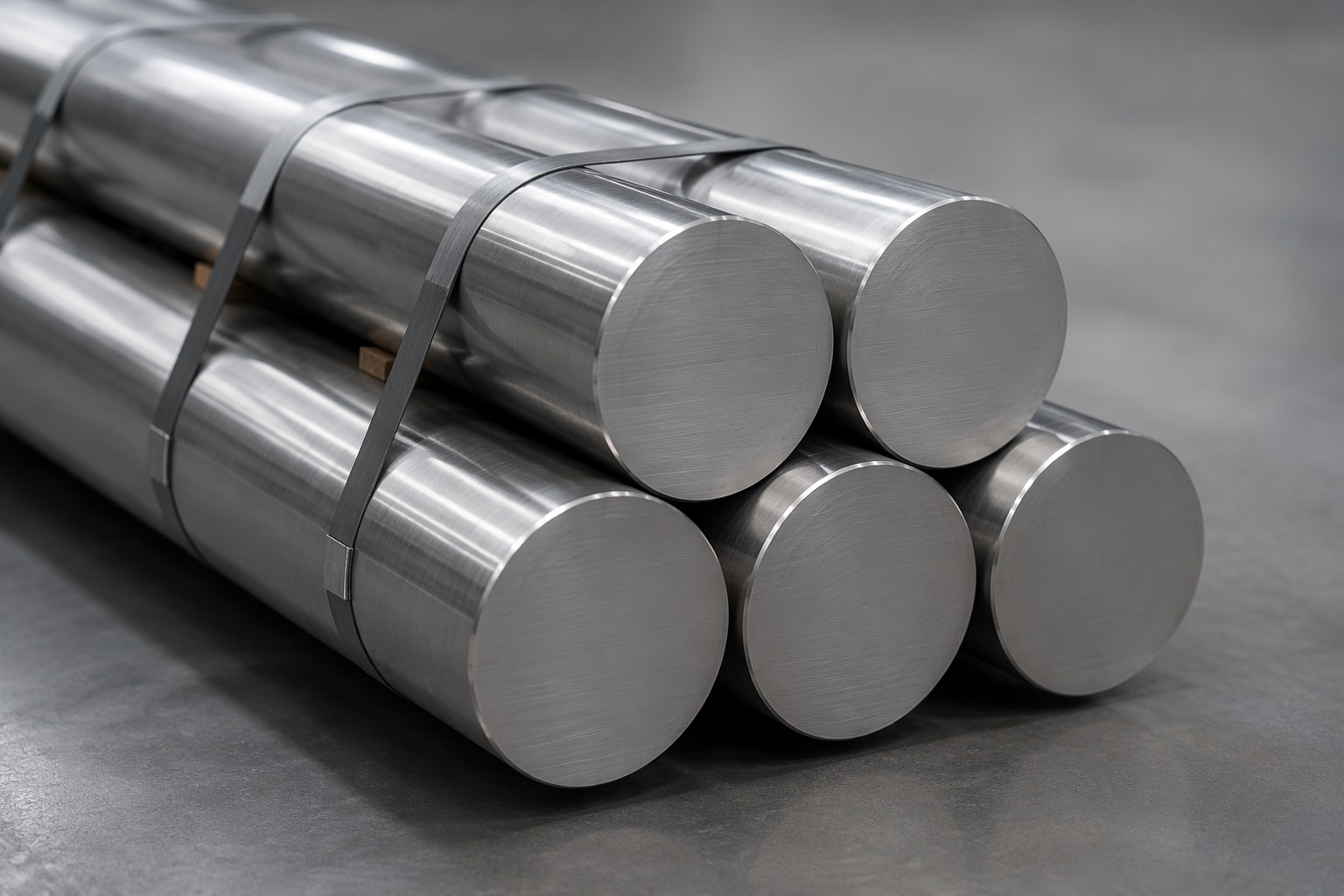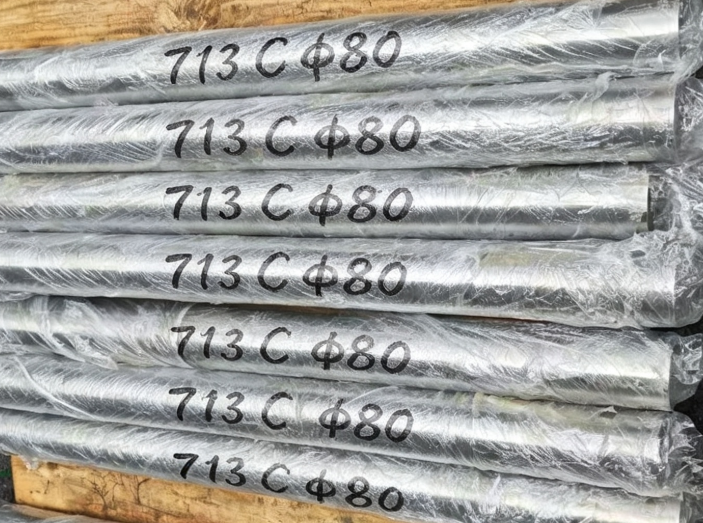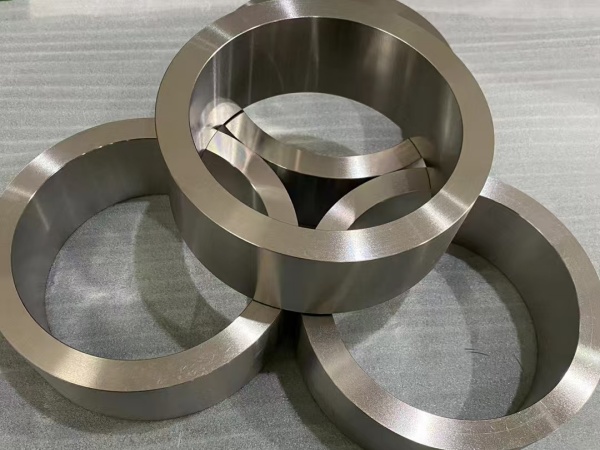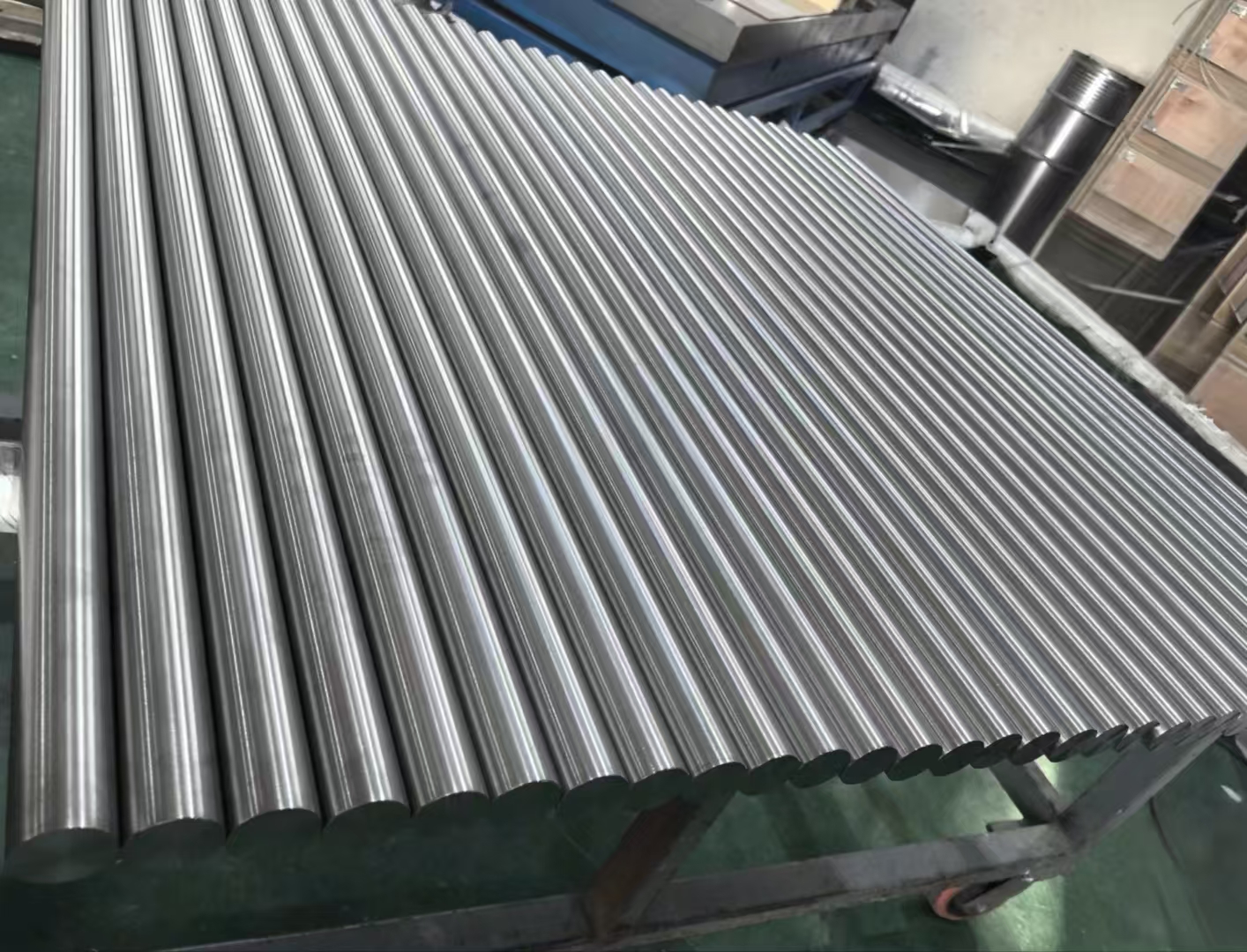

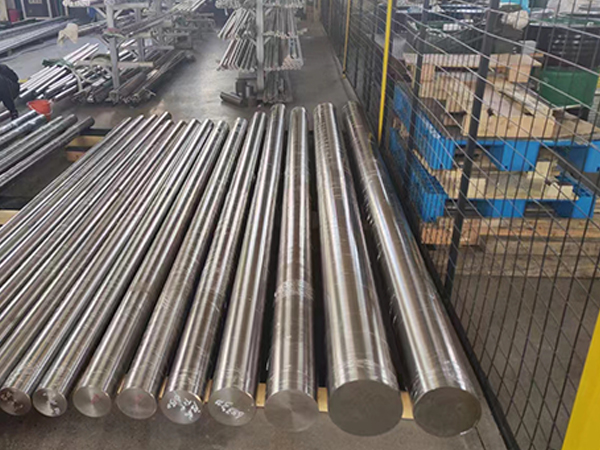
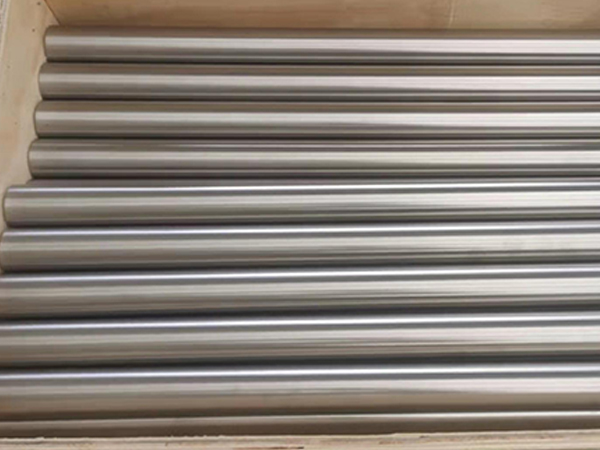

Hangbo Alloy Group provides high-strength 17-4PH (AISI 630) stainless steel, including solution-annealed and age-hardened (H900, H1150) round bars and plates. Below is the detailed technical profile for 17-4PH:

Detailed Introduction to 17-4PH
17-4PH (UNS S17400 / AISI 630) is a martensitic precipitation-hardening stainless steel that provides an outstanding combination of high strength, good corrosion resistance, and good mechanical properties at temperatures up to 316°C (600°F). Its unique properties are achieved by adding copper, which allows the material to be hardened at low temperatures through a simple aging process.
Key Standards: ASTM A564 (Bar/Shapes), ASTM A693 (Plate/Sheet), AMS 5643.
Chemical Composition of 17-4PH (UNS S17400)
| Element | Content (%) |
|---|---|
| Chromium (Cr) | 15.0 - 17.5 |
| Nickel (Ni) | 3.0 - 5.0 |
| Copper (Cu) | 3.0 - 5.0 |
| Niobium (Nb) + Ta | 0.15 - 0.45 |
| Manganese (Mn) | 1.00 max |
| Silicon (Si) | 1.00 max |
| Carbon (C) | 0.07 max |
Mechanical Properties (Condition H900)
| Property | Value (Min) |
|---|---|
| Tensile Strength | 1310 MPa (190 ksi) |
| Yield Strength (0.2% Offset) | 1170 MPa (170 ksi) |
| Elongation | 10% |
| Hardness (Rockwell C) | 40 HRC min |
Material Characteristics
- Precipitation Hardening: High strength levels are reached by a single-step, low-temperature aging treatment.
- Corrosion Resistance: Resistance is superior to standard martensitic stainless steels (400 series) and comparable to 304 in most environments.
- Machinability: Best machined in the solution-annealed condition (Condition A).
- Weldability: Easily welded using common methods; post-weld heat treatment allows the weld to achieve base metal strength.
Common Applications of 17-4PH
- Aerospace: Structural parts, engine components, and fasteners.
- Oil & Gas: Valve stems, pump shafts, and offshore platform components.
- Food Processing: High-strength components requiring washdown resistance.
- Medical: Surgical instruments and high-load orthopedic devices.
Pros & Cons of 17-4PH
| Pros | Cons |
|---|---|
| Exceptional strength and hardness after simple aging. | Limited toughness in the H900 (maximum strength) condition. |
| Good resistance to atmospheric corrosion and many acids. | Susceptible to stress corrosion cracking in seawater if not properly aged. |
| Minimal distortion during low-temperature heat treatment. | Lower corrosion resistance than austenitic 316L. |
Frequently Asked Questions (FAQ)
Q: What is the difference between Condition A and H1150?
A: Condition A is solution-annealed (softest state), while H1150 is an over-aged condition providing a balance of high toughness and moderate strength.
Q: Is 17-4PH magnetic?
A: Yes, 17-4PH is a martensitic steel and is strongly magnetic in all heat-treated conditions.
Internal Links:
15-5PH - Improved Transverse Toughness
Inconel 718 - Higher Temperature Strength
Production Process
Our 17-4PH is manufactured via **EF + AOD** or VIM melting for superior cleanliness. Final products are solution annealed at 1038°C (1900°F) and supplied as Condition A, or aged to customer-specified conditions (H900, H1025, H1150).
Testing & Inspection
- Hardness Profile: Brinell or Rockwell C verification across the batch.
- Tensile Testing: Verification of mechanical properties in the specified condition.
- Microstructural Check: Ensuring complete martensitic transformation.
Quality Control
Material is certified to **ASTM A564, AMS 5643, and NACE MR0175** (for specific aged conditions) to ensure reliability in critical engineering applications.
Product Forms & Standards Comparison
| Product Form | Main Standard | Typical Range |
|---|---|---|
| Round Bar | ASTM A564 | Φ8mm - Φ450mm |
| Plate | ASTM A693 | T 3mm - 60mm |
| Forgings | ASTM A705 | Custom Drawings |