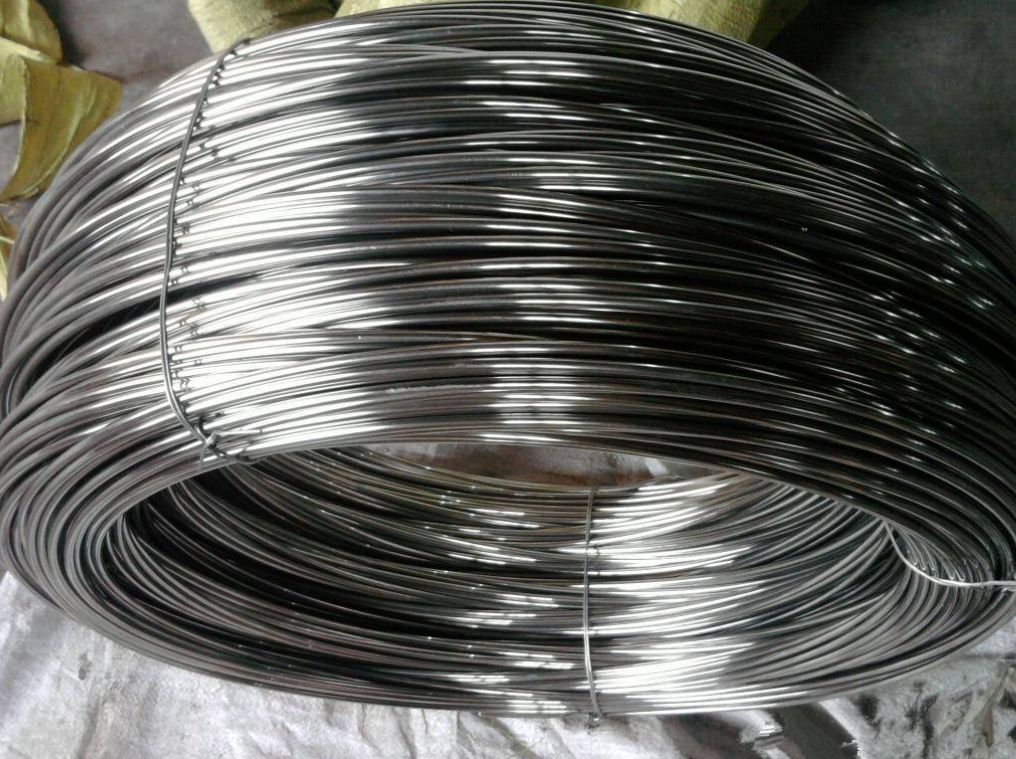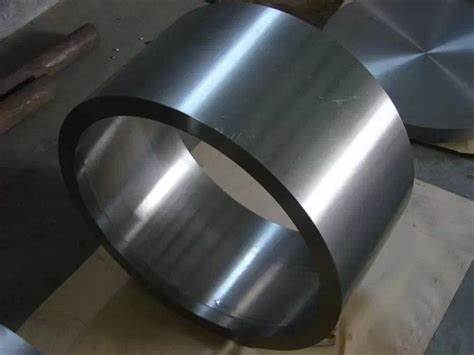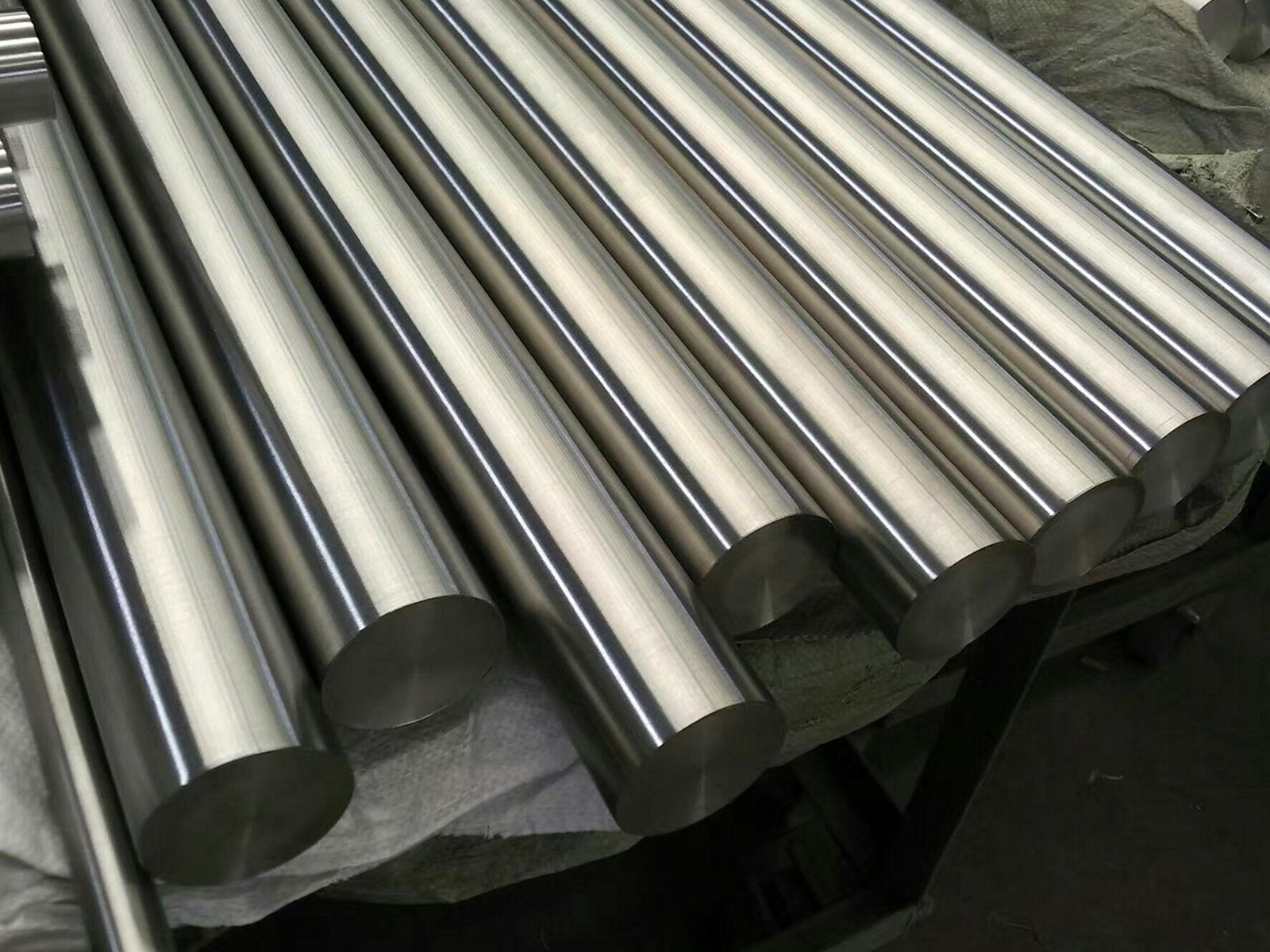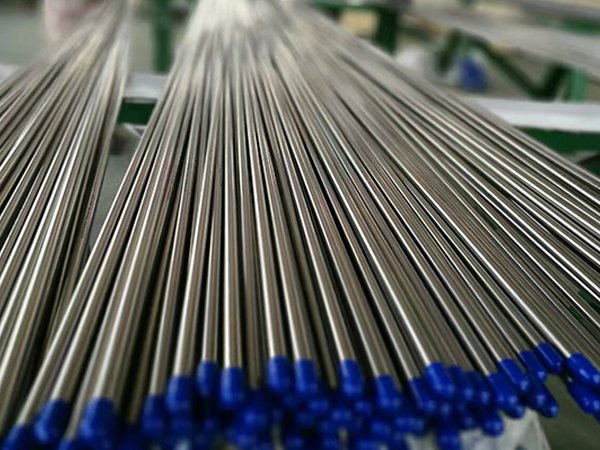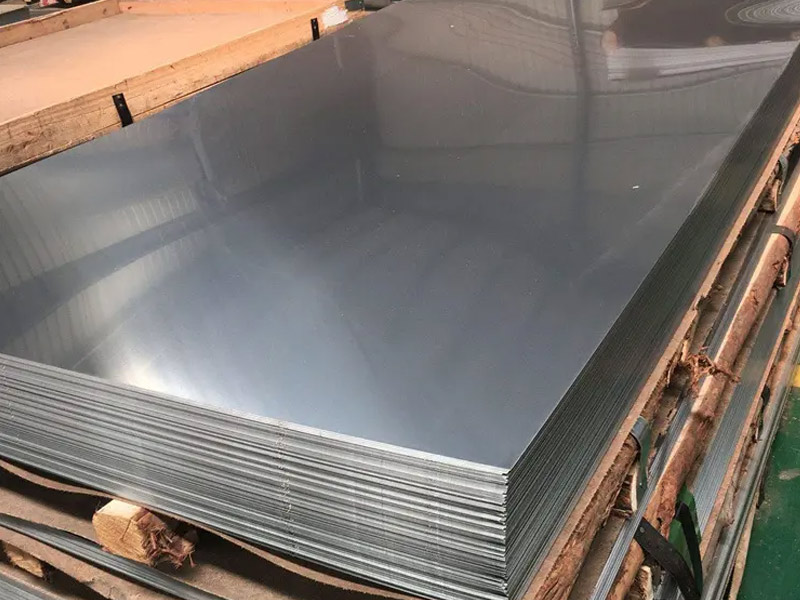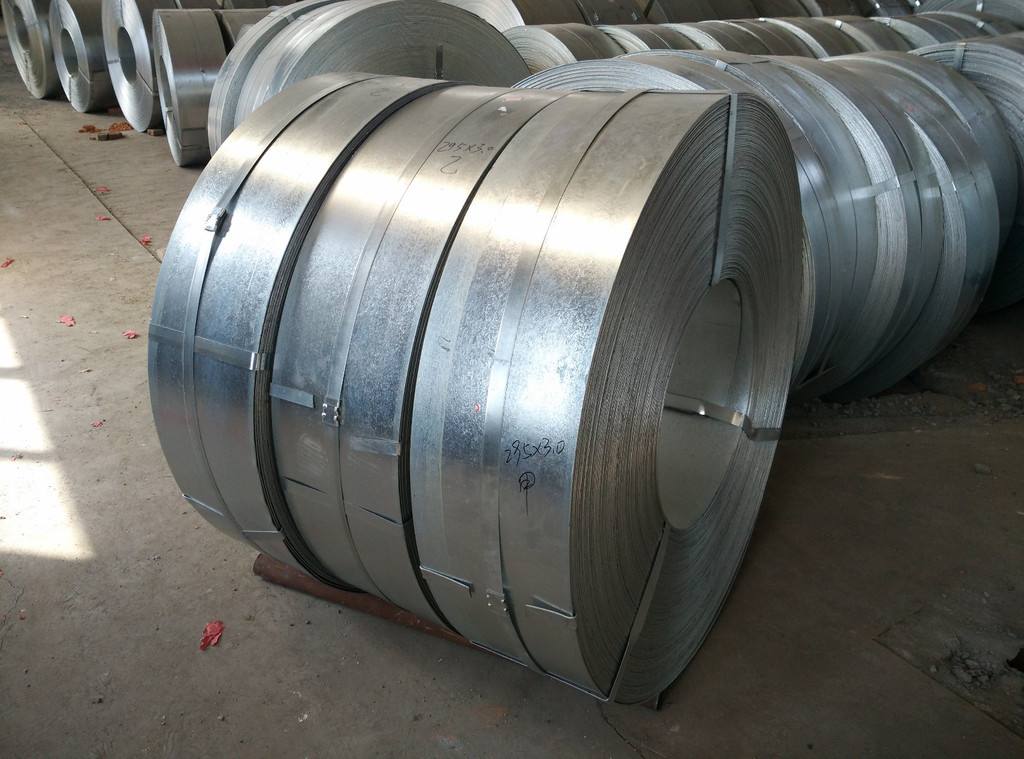




Hangbo Alloy Group offers 254SMO (6-Moly) high-performance austenitic stainless steel, including round bars, seamless pipes, and specialized fittings. Below is the detailed technical profile for 254SMO:

Detailed Introduction to 254SMO
254SMO (UNS S31254) is a high-alloy austenitic stainless steel developed for use in seawater and other aggressive chloride-bearing media. It is characterized by high levels of chromium, molybdenum, and nitrogen, which provide excellent resistance to pitting and crevice corrosion. With a PREN (Pitting Resistance Equivalent Number) of ≥ 42, it far outperforms standard 316L and 904L stainless steels.
Key Standards: ASTM A276 (Bar), ASTM A240 (Plate), ASTM A312 (Pipe), EN 1.4547.
Chemical Composition of 254SMO (UNS S31254)
| Element | Content (%) |
|---|---|
| Chromium (Cr) | 19.5 - 20.5 |
| Nickel (Ni) | 17.5 - 18.5 |
| Molybdenum (Mo) | 6.0 - 6.5 |
| Nitrogen (N) | 0.18 - 0.22 |
| Copper (Cu) | 0.50 - 1.00 |
| Manganese (Mn) | 1.00 max |
| Carbon (C) | 0.020 max |
Mechanical Properties (ASTM A276 / A240)
| Property | Value (Min) |
|---|---|
| Tensile Strength | 650 MPa (94 ksi) |
| Yield Strength (0.2% Offset) | 300 MPa (44 ksi) |
| Elongation | 35% |
| Hardness (Brinell) | 223 HB max |
Material Characteristics
- Superior Pitting Resistance: High molybdenum and nitrogen content provides immunity to pitting in many aggressive environments.
- High Ductility & Toughness: Maintains the excellent fabricability typical of austenitic steels.
- Seawater Reliability: Widely used in marine environments where 316L suffers from rapid crevice corrosion.
- Cost-Effective Alternative: Offers performance similar to some nickel alloys at a lower price point.
Common Applications of 254SMO
- Oil & Gas: Offshore platforms, seawater cooling systems, and firewater systems.
- Desalination: Reverse osmosis equipment and brine piping.
- Pulp & Paper: Bleach plant equipment and washer drums.
- Chemical Processing: Heat exchangers handling chloride-contaminated acids.
Pros & Cons of 254SMO
| Pros | Cons |
|---|---|
| Exceptional resistance to chloride-induced pitting (PREN ≥ 42). | Requires specialized welding fillers (like Inconel 625) to avoid segregation. |
| Higher yield strength than conventional austenitic steels. | More expensive than 316L or 904L. |
| Suitable for long-term immersion in flowing seawater. | Limited availability in very large forge formats. |
Frequently Asked Questions (FAQ)
Q: Can 254SMO be used instead of Titanium in seawater?
A: In many cases, yes. 254SMO is a more cost-effective choice for seawater systems where temperatures remain below 50°C and pH is not extreme.
Q: What welding wire should be used for 254SMO?
A: To ensure matching corrosion resistance in the weld, over-alloyed filler metals like **Inconel 625** or **Alloy C-276** are recommended.
Internal Links:
904L - The Predecessor to 254SMO
Inconel 625 - Preferred Welding Filler
Production Process
Our 254SMO is produced with tight control over nitrogen levels via **AOD** refining. Post-rolling or forging, the material is solution annealed at 1150°C and rapidly quenched to prevent the formation of sigma phase precipitates.
Testing & Inspection
- G48 Pitting Test: Corrosion testing in ferric chloride according to ASTM G48.
- Microstructural Analysis: Checking for absence of intermetallic phases.
- Mechanical Testing: Tensile and elongation verification.
Quality Control
Full adherence to **ASTM A240, A312, and A276**. Materials are supplied with **NORSOK M-650** qualified manufacturing process records upon request.
Product Forms & Standards Comparison
| Product Form | Main Standard | Typical Range |
|---|---|---|
| Round Bar | ASTM A276 | Φ6mm - Φ300mm |
| Seamless Pipe | ASTM A312 | 1/2" - 12" |
| Sheet/Plate | ASTM A240 | T 0.5mm - 30mm |