


Overview: Super Duplex 2507 (UNS S32750) / 1.4410
Super Duplex 2507 is a high-performance alloy designed for exceptionally demanding environments. Benchmarked against ASTM A276 and A479, it features a Pitting Resistance Equivalent Number (PREN) greater than 40, placing it in the "Super Duplex" category for extreme corrosion resistance.
Specifications & Standards by Product Form
| Product Form | ASTM / ASME Standards |
|---|---|
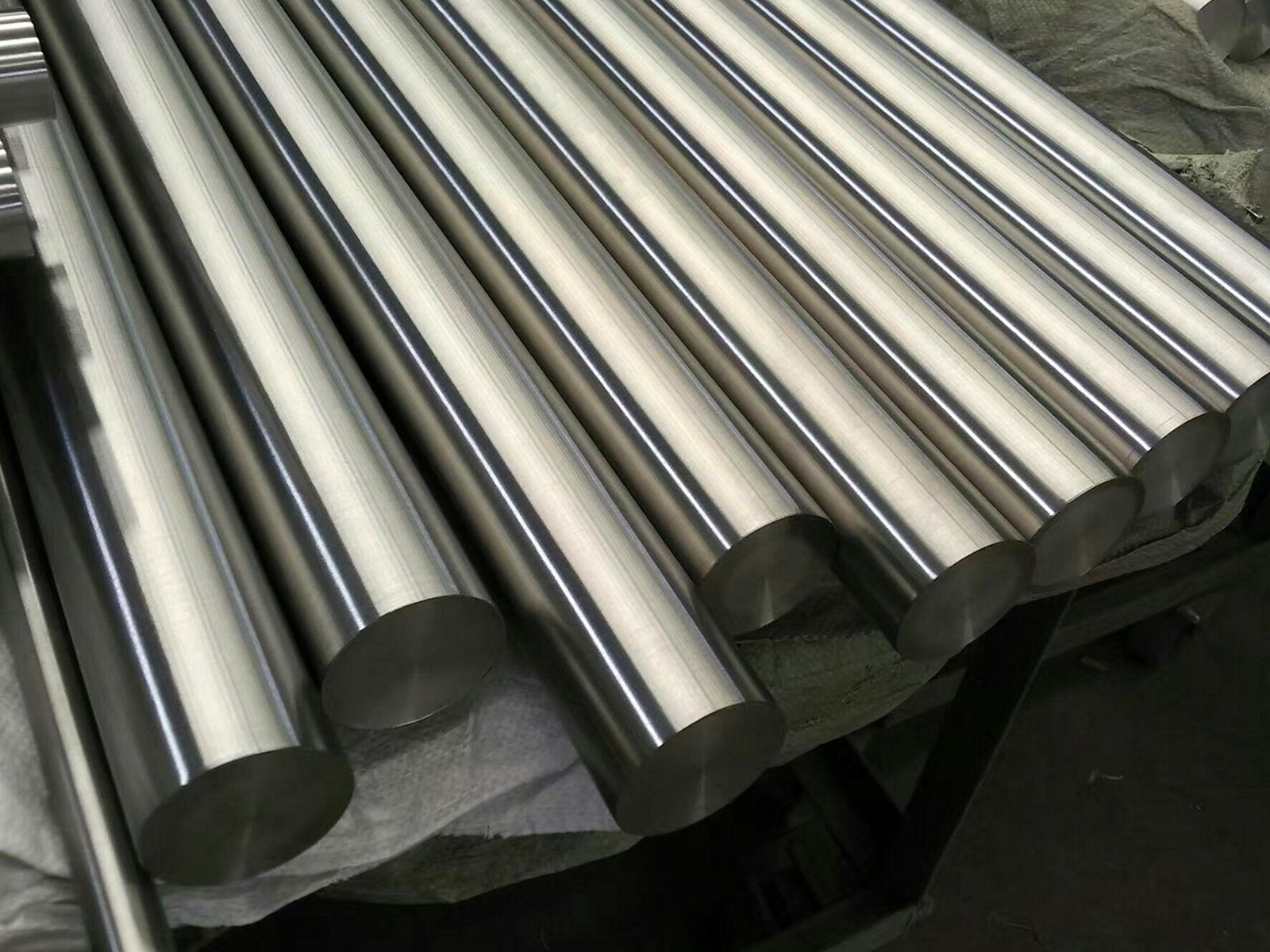
| Round Bar | ASTM A276 / A479 / ASME SA276 / SA479 |
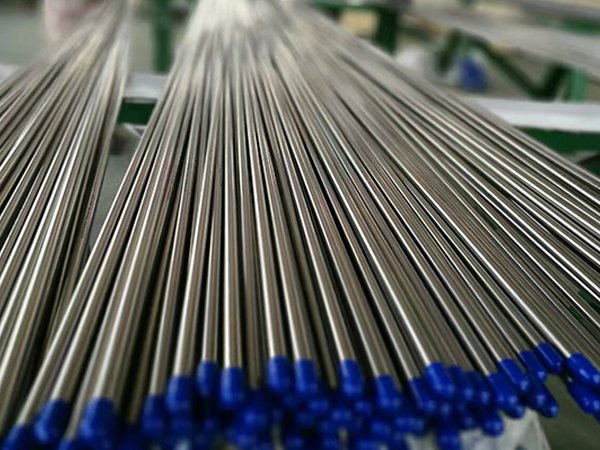
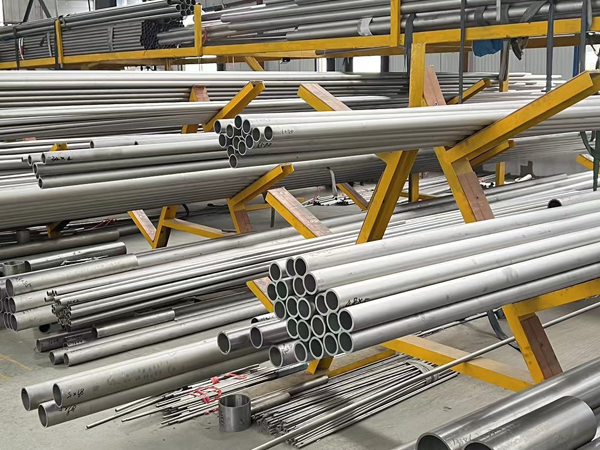
| Seamless Tube | ASTM A789 / A790 / ASME SA789 / SA790 |
| Forgings | ASTM A182 / ASME SA182 |
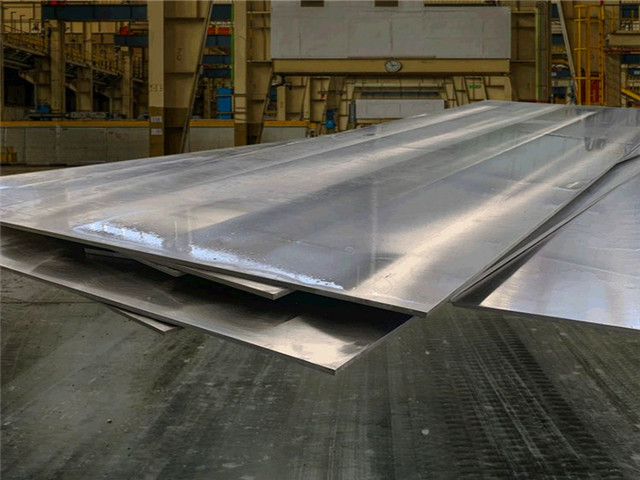
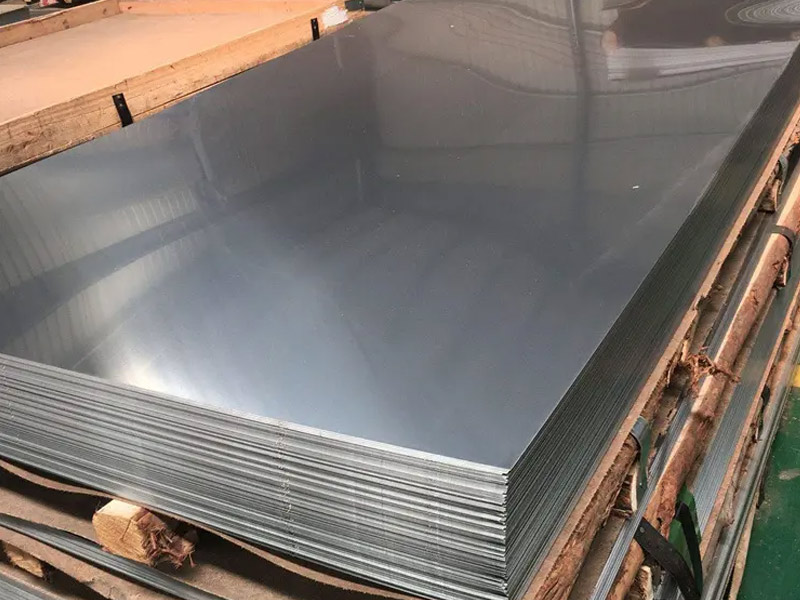
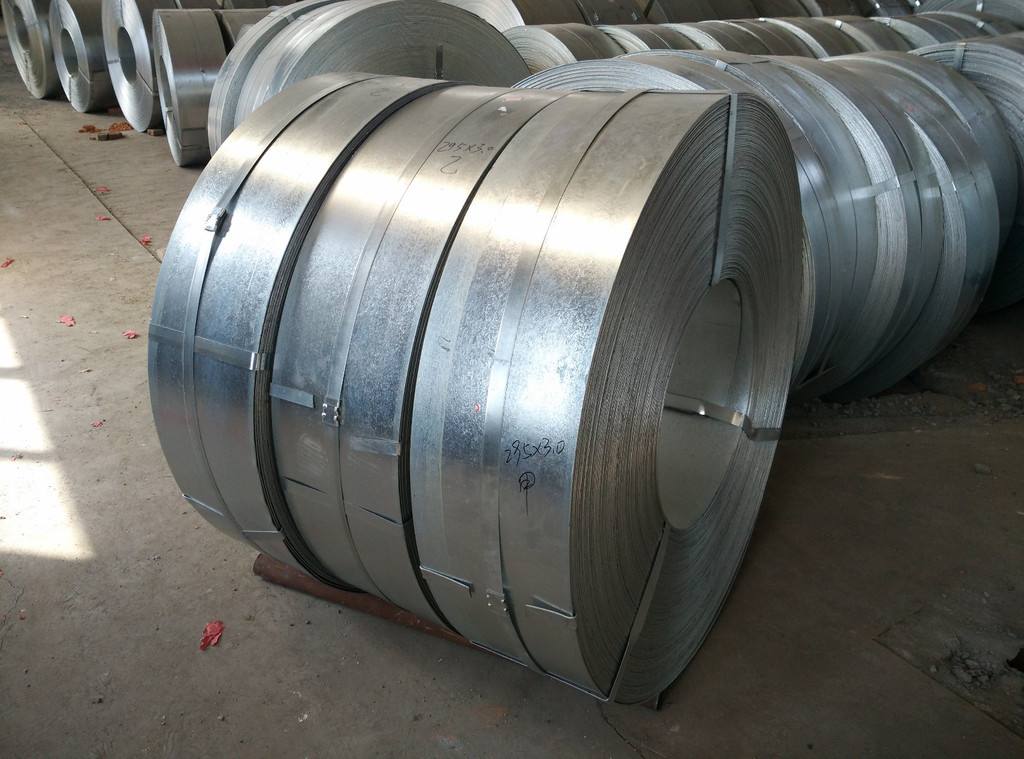
| Strip / Plate | ASTM A240 / ASME SA240 |
Chemical Composition (ASTM A276 / UNS S32750)
| Element | Cr | Ni | Mo | N | Cu | Mn | Si | C | Fe |
|---|---|---|---|---|---|---|---|---|---|
| Range (%) | 24.0-26.0 | 6.0-8.0 | 3.0-5.0 | 0.24-0.32 | ≤0.5 | ≤1.2 | ≤0.8 | ≤0.03 | Bal. |
Mechanical Properties (Typical at Room Temp)
| Property | Tensile Strength (MPa) | Yield Strength 0.2% (MPa) | Elongation (%) | Hardness (HBW) |
|---|---|---|---|---|
| ASTM A276/A479 Min. | 795 (116 ksi) | 550 (80 ksi) | 15 | ≤310 |
Material Characteristics & Applications
- Extreme Corrosion Resistance: PREN > 40 ensures immunity to pitting in hot seawater and high-chloride environments.
- Ultra-High Strength: Yield strength is higher than standard duplex grades, allowing for compact component designs.
- Impact Toughness: Maintains high impact strength even at sub-zero temperatures.
Primary Applications: Seawater desalination, offshore oil & gas platforms, chemical tankers, and high-pressure subsea equipment.
Global Project Case: Seawater Desalination High-Pressure Pumps
Hangbo Alloy provided Super Duplex 2507 forgings for the main high-pressure pump casings in a Middle Eastern desalination plant. The extreme chloride levels and high temperatures made standard alloys prone to rapid pitting. Super Duplex 2507 was selected for its PREN > 40, resulting in zero corrosion-related downtime over 5 years of operation.
Pros & Cons
- Pros: Unmatched resistance to pitting/crevice corrosion, very high strength, and excellent thermal conductivity.
- Cons: Limited use temperature (under 250°C), difficult to form and machine, requires precise welding control.
Deep FAQ: The Advantage of PREN > 40
- What does PREN > 40 actually mean for performance? It signifies that the alloy is highly resistant to localized corrosion (pitting) even in the most aggressive saline and acidic environments.
- How does 2507 compare to Duplex 2205? 2507 has higher Cr, Mo, and N content, resulting in significantly higher strength and corrosion resistance (PREN > 40 vs 2205's PREN ~34).
- Can 2507 be used in sour gas environments? Yes, it meets NACE MR0175/ISO 15156 standards for use in H2S-containing environments.
- What are the challenges in welding Super Duplex 2507? It requires tight heat input control to avoid the precipitation of intermetallic phases (like sigma phase), which can degrade toughness.
- Is Super Duplex 2507 magnetic? Yes, due to its 50% ferritic microstructure, it is strongly magnetic.
View our full Super Duplex Inventory or request a quote for High-Pressure Components.
Production Process
Our material is manufactured using VIM (Vacuum Induction Melting) + VAR (Vacuum Arc Remelting) or ESR (Electroslag Refining) processes to ensure ultra-high purity and metallurgical integrity. The material undergoes precision machining and rigorous heat treatment (Solution Annealing/Aging) to achieve the specified mechanical properties and grain size consistency.
Testing & Inspection
To guarantee zero-defect delivery, all batches undergo comprehensive testing:
- UT/PT Flaw Detection: Ultrasonic and Penetrant testing to identify surface and internal defects.
- Mechanical Testing: High and low temperature tensile testing, impact testing, and hardness verification.
- Corrosion Testing: Intergranular corrosion tests and pitting resistance verification according to ASTM standards.
Quality Control
We implement a total quality management system with full-process traceability from raw material to finished product. All products are manufactured in strict compliance with ASTM, ASME, and AMS standards, accompanied by EN 10204 3.1/3.2 certificates.
Market Pain Points & Solutions
- Delivery Consistency: We address supply chain delays by maintaining a large inventory of raw billets and semi-finished products, ensuring rapid response times.
- Extreme Environment Tolerance: Our specialized melting processes ensure that our alloys maintain structural stability in highly corrosive and high-pressure environments where standard materials fail.
Deep Application Insights
- Petrochemical: Used in flare stacks and flare tips where resistance to high temperatures and sour gas corrosion is critical.
- Nuclear Power: Applied in reactor core components and control rod mechanisms due to its excellent radiation resistance and mechanical stability.
- Aerospace: Found in engine exhaust systems and turbine shroud rings where high fatigue strength and oxidation resistance are required.
Product Forms & Standards Comparison
| Product Form | Main ASTM Standard | Dimensions Range |
|---|---|---|
| Round Bar | ASTM A276 / A479 | Φ6mm - Φ500mm |
| Seamless Tube | ASTM A789 / A790 | OD 6mm - 219mm |
| Plate/Sheet | ASTM A240 | T 0.5mm - 50mm |
| Forgings | ASTM A182 | Custom Drawings |