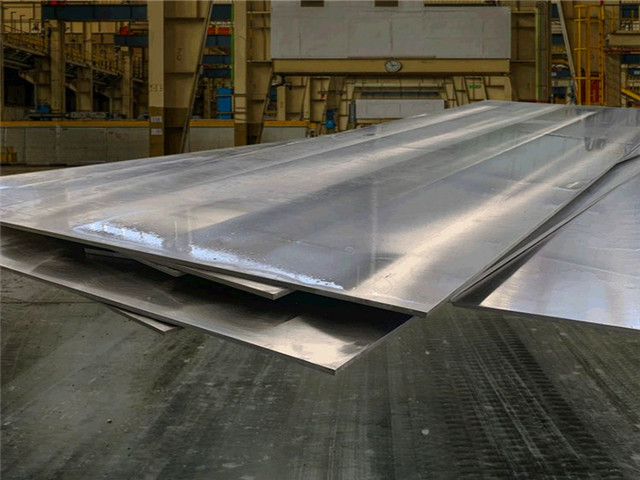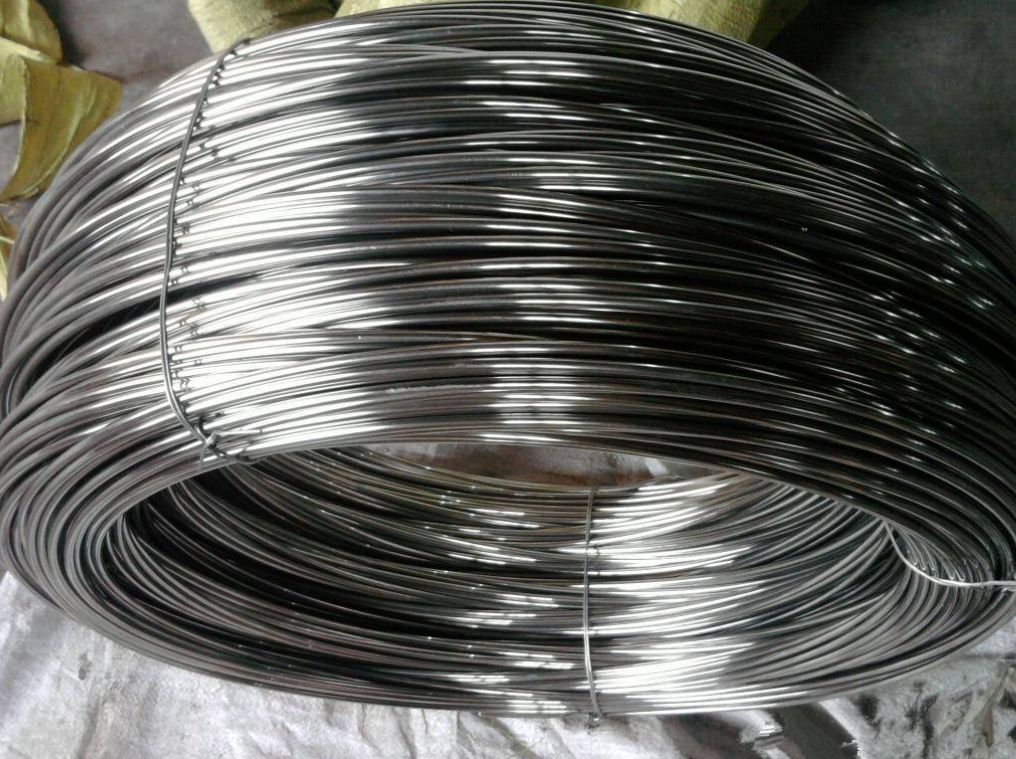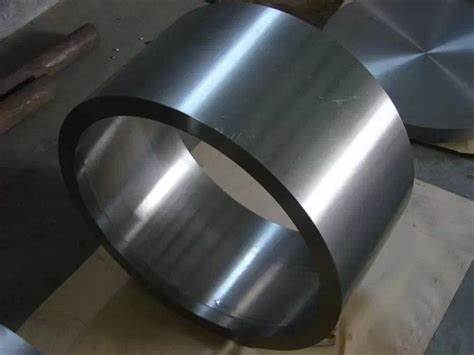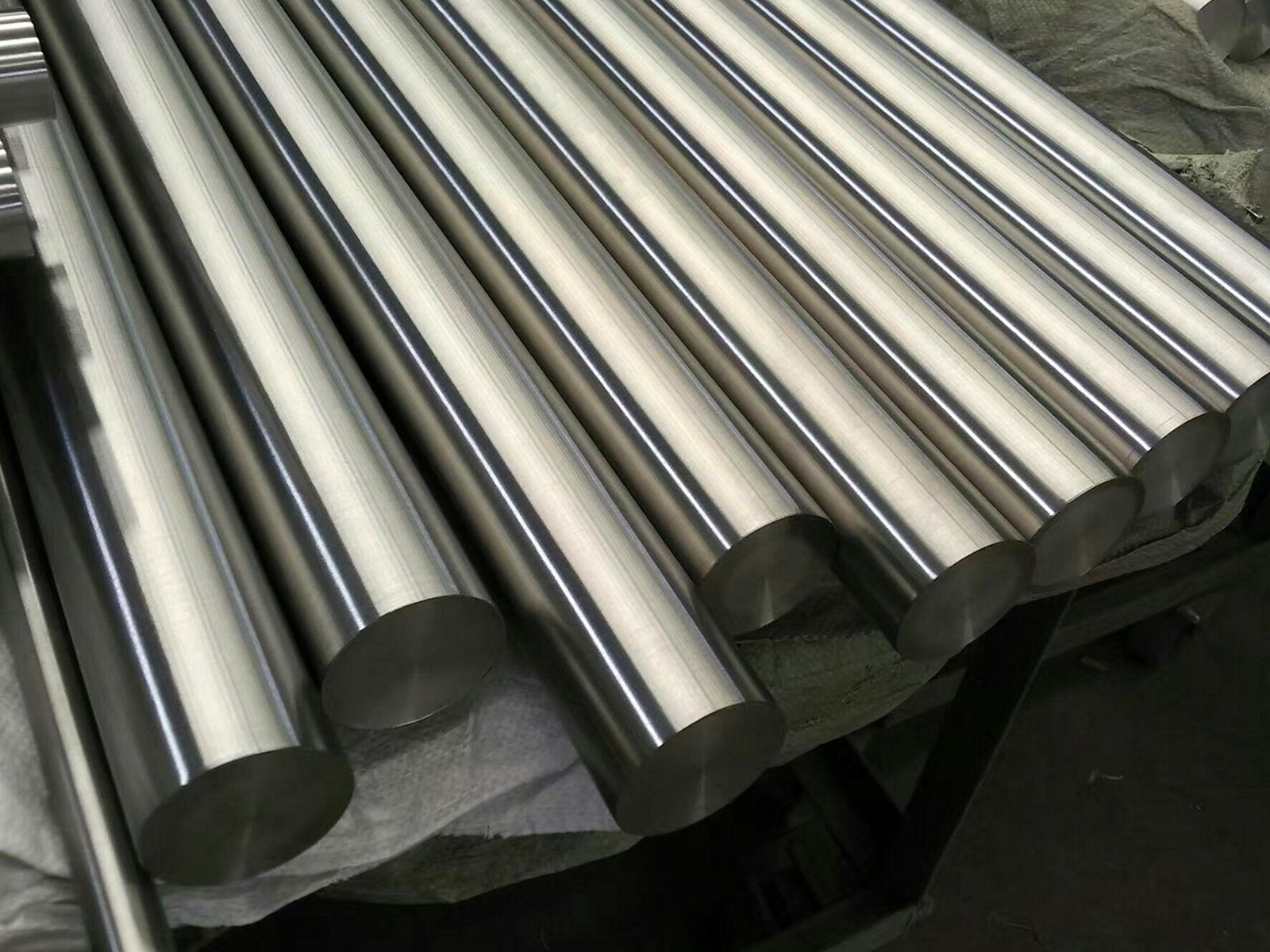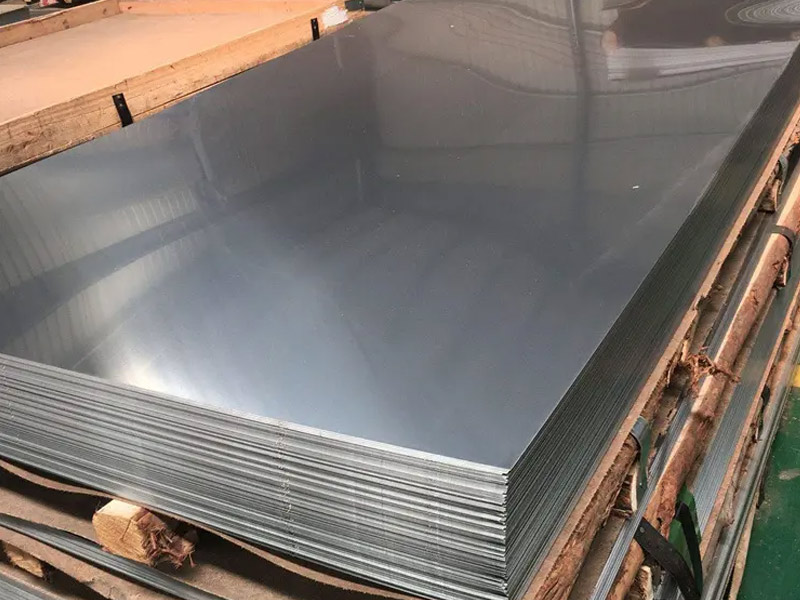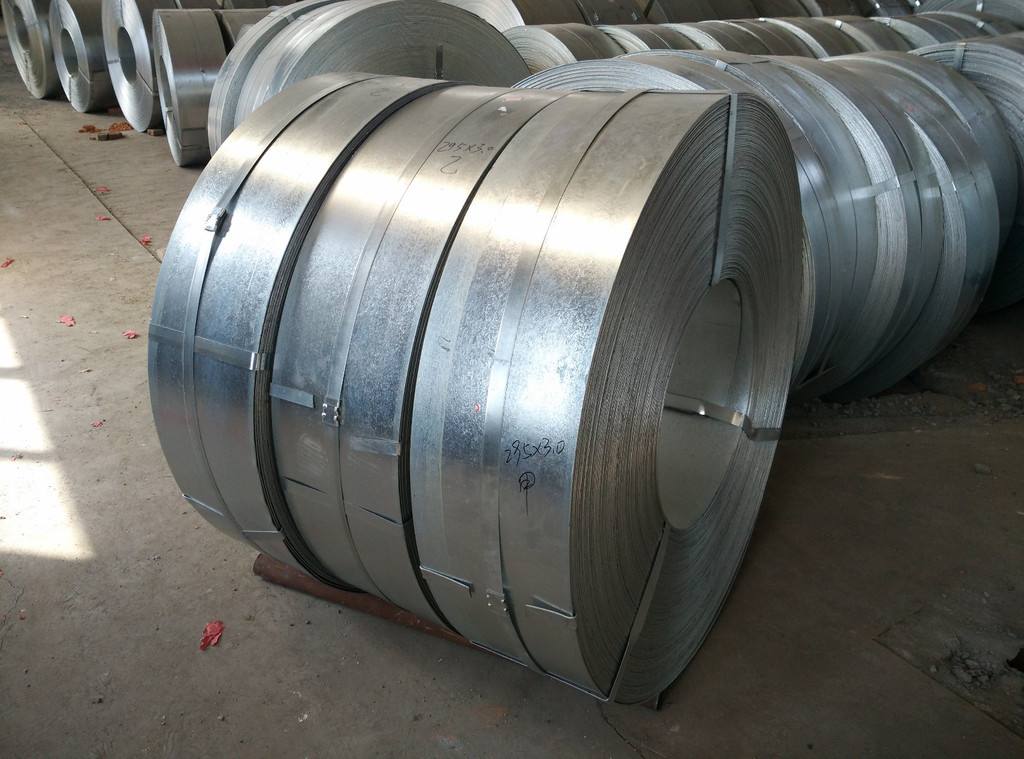

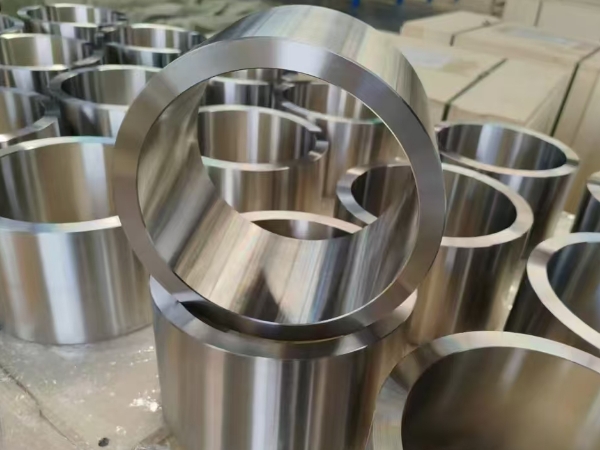
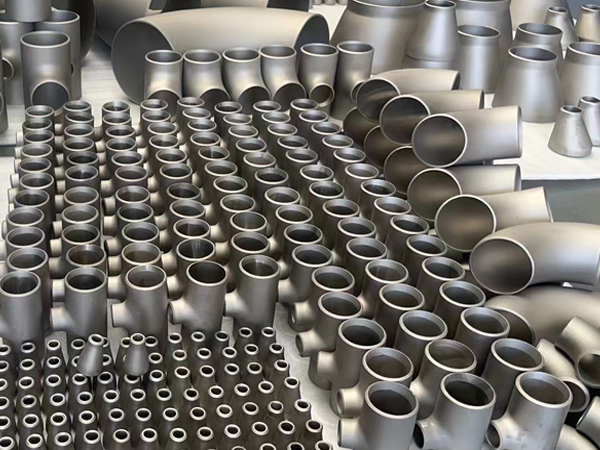

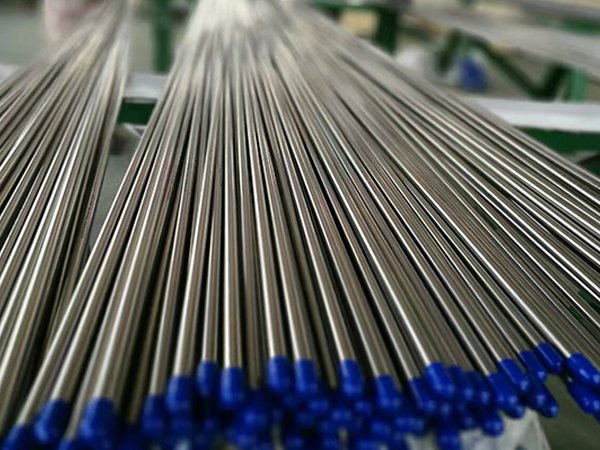
Hangbo Alloy Group supplies a variety of 631 stainless steel (also known as 17-7PH) products, including round bars, plates, strips, seamless tubes, forgings, and wires. Below is a comprehensive description of 631 stainless steel.
1.Introduction to 631/17-7PH
Description: 631 (UNS S17700) is a precipitation-hardening martensitic stainless steel, mainly composed of chromium, nickel, and aluminum. It is renowned for ultra-high strength (achieved via precipitation hardening heat treatment), excellent low-temperature toughness, and good corrosion resistance. It maintains stable mechanical properties in a wide temperature range (from -200°C to 315°C) and offers diverse performance options via different heat treatment states (e.g., RH950, TH1050). Its balance of high tensile strength (1100-1400 MPa after aging) and good formability makes it ideal for applications requiring high strength, corrosion resistance, and fatigue resistance.
International Equivalents:
USA: UNS S17700, ASTM 631 (17-7PH)
CHINA: 07Cr17Ni7Al (per GB/T 20878 standard)
Europe: EN 1.4568, DIN X7CrNiAl17-7
2.Standards for 631/17-7PH
Plates: ASTM A693/A693M, GB/T 4237, EN 10088-2
Round Bars: ASTM A564/A564M, GB/T 1220, EN 10088-3
Seamless Tubes: ASTM A789/A789M, GB/T 14976, EN 10216-5
Forgings: ASTM A705/A705M, GB/T 1221, EN 10222-5
3.Chemical Composition of 631/17-7PH
| Channel | Details |
|---|---|
| Website | www.nickel-alloy.com |
| sales@hangboalloy.com | |
| hangbo@nickel-alloy.com | |
| WhatsApp / Phone | +86 13611656360 |
| Skype | +86 13611656360 |
| Address | Shanghai, China |
Overview
631 (17-7PH, UNS S17700) is a precipitation-hardening stainless steel with nominal composition chromium 16–18%, nickel 6.5–7.75% and aluminum 0.75–1.5%. In the austenitic condition the alloy is readily formed and cold worked, then transformed to martensite and age-hardened to reach tensile strengths above 1170 MPa in condition TH1050. The unique combination of high strength, good corrosion resistance approaching Type 304 stainless steel, and excellent fatigue properties makes 17-7PH a preferred material for aerospace and mechanical components. Hangbo supplies 631/17-7PH in conditions A, RH950, TH1050 and CH900 per ASTM A564 (round bar) and ASTM A693 (plate, sheet, strip), enabling designers to select the optimum strength-toughness balance for each application.
Chemical Composition (ASTM A564/A693)
Chemical composition (wt%) of 631/17-7PH (UNS S17700) per ASTM A564 (round bar) and ASTM A693 (plate, sheet, strip):
| Element | Composition (%) |
|---|---|
| Chromium (Cr) | 16.0 – 18.0 |
| Nickel (Ni) | 6.50 – 7.75 |
| Aluminum (Al) | 0.75 – 1.50 |
Mechanical Properties (Condition TH1050, ASTM A564/A693)
Room-temperature mechanical properties (minimum values) of 631/17-7PH (UNS S17700) in Condition TH1050 (annealed, cold worked, reannealed, hardened):
| Property | Minimum Value |
|---|---|
| Tensile Strength | 1170 MPa (170 ksi) |
| Yield Strength (0.2% offset) | 1035 MPa (150 ksi) |
Applications
17-7PH is widely used in aerospace for landing gear components, spring washers, diaphragm bellows, clips, fasteners and honeycomb structures, where its high strength-to-weight ratio and fatigue resistance are critical. In mechanical engineering it serves in precision springs, pressure vessels, and components for chemical and food processing that require a combination of corrosion resistance and hardness. The alloy is also found in oil and gas downhole tools, valve components, and cryogenic applications down to -200°C, where it retains excellent toughness. Its availability in strip form enables stamping of complex high-strength parts with consistent heat-to-heat properties.
Production Process
Our material is manufactured using VIM (Vacuum Induction Melting) + VAR (Vacuum Arc Remelting) or ESR (Electroslag Refining) processes to ensure ultra-high purity and metallurgical integrity. The material undergoes precision machining and rigorous heat treatment (Solution Annealing/Aging) to achieve the specified mechanical properties and grain size consistency.
Testing & Inspection
To guarantee zero-defect delivery, all batches undergo comprehensive testing:
- UT/PT Flaw Detection: Ultrasonic and Penetrant testing to identify surface and internal defects.
- Mechanical Testing: High and low temperature tensile testing, impact testing, and hardness verification.
- Corrosion Testing: Intergranular corrosion tests and pitting resistance verification according to ASTM standards.
Quality Control
We implement a total quality management system with full-process traceability from raw material to finished product. All products are manufactured in strict compliance with ASTM, ASME, and AMS standards, accompanied by EN 10204 3.1/3.2 certificates.
Market Pain Points & Solutions
- Delivery Consistency: We address supply chain delays by maintaining a large inventory of raw billets and semi-finished products, ensuring rapid response times.
- Extreme Environment Tolerance: Our specialized melting processes ensure that our alloys maintain structural stability in highly corrosive and high-pressure environments where standard materials fail.
Deep Application Insights
- Petrochemical: Used in flare stacks and flare tips where resistance to high temperatures and sour gas corrosion is critical.
- Nuclear Power: Applied in reactor core components and control rod mechanisms due to its excellent radiation resistance and mechanical stability.
- Aerospace: Found in engine exhaust systems and turbine shroud rings where high fatigue strength and oxidation resistance are required.
Product Forms & Standards Comparison
| Product Form | Main ASTM Standard | Dimensions Range |
|---|---|---|
| Round Bar | ASTM A564 | Φ6mm - Φ500mm |
| Seamless Tube | ASTM A511 | OD 6mm - 219mm |
| Plate/Sheet | ASTM A693 | T 0.5mm - 50mm |
| Forgings | ASTM A705 | Custom Drawings |