



By Shanghai Hangbo Alloy Group Co., Ltd. - China Leading Special Steel Supplier | ISO 9001:2015
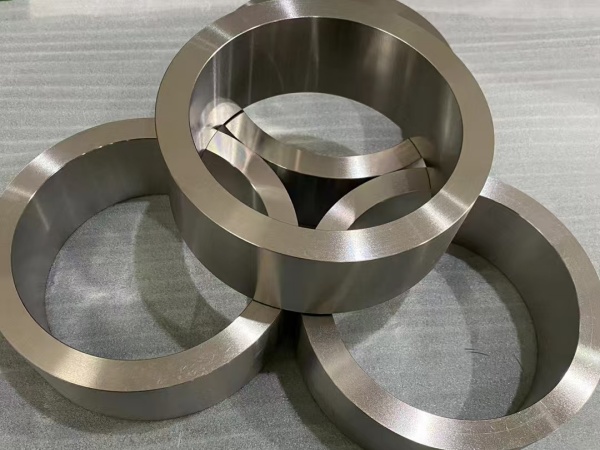
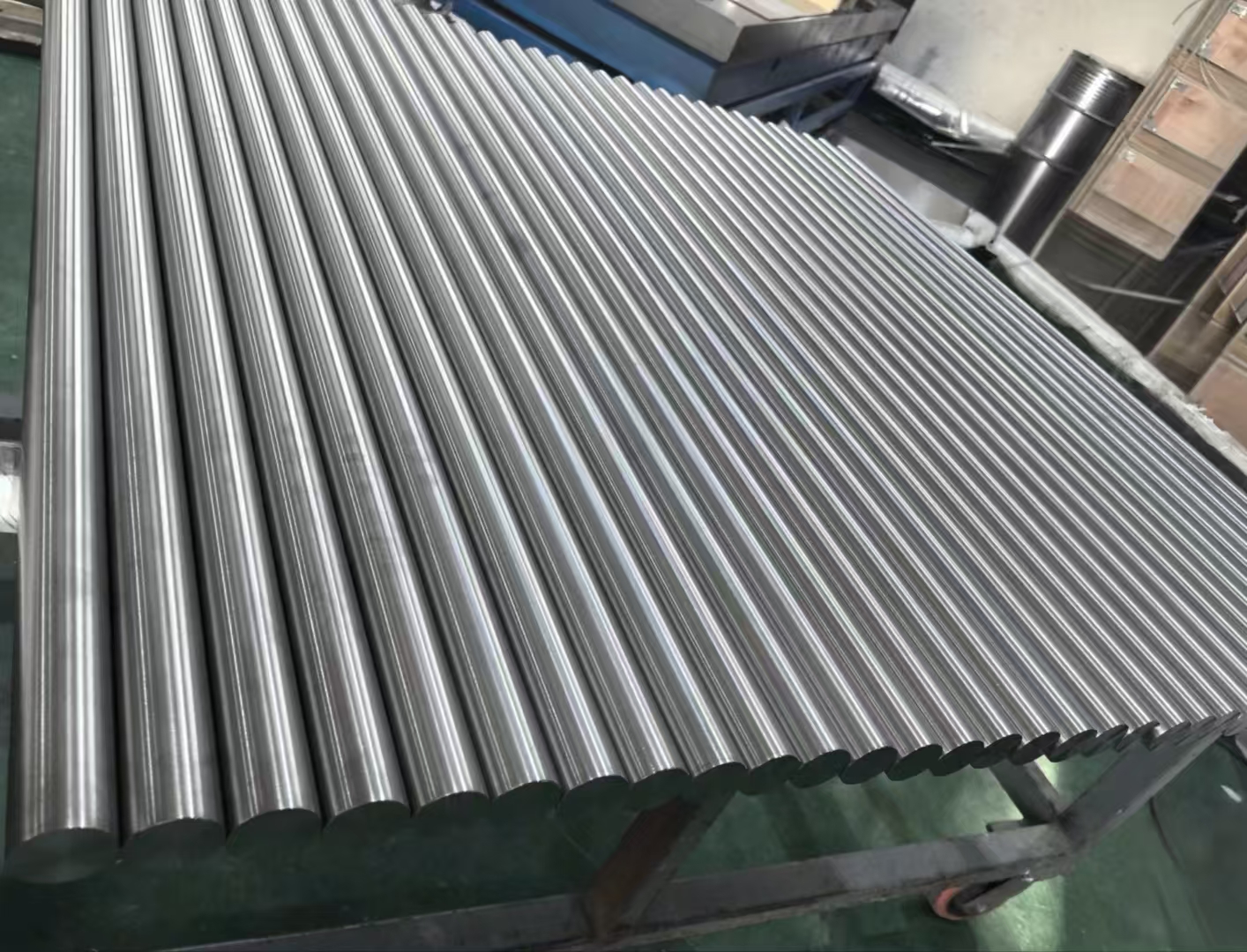
Nitronic 50 (UNS S20910 / XM-19) is a nitrogen-strengthened austenitic stainless steel that provides a combination of corrosion resistance and strength not found in any other commercial material in its price range. This grade has corrosion resistance greater than that provided by Types 316, 316L, 317, 317L plus approximately twice the yield strength at room temperature. In addition, Nitronic 50 has very good mechanical properties at both elevated and sub-zero temperatures.
Technical Data Sheet
Chemical Composition (wt.%)
| Ni | Cr | Mn | Mo | N | Si | C | Nb | V | Fe |
|---|---|---|---|---|---|---|---|---|---|
| 19.0 - 22.0 | 24.0 - 26.0 | ≤ 2.0 | – | – | ≤ 1.50 | ≤ 0.08 | – | – | Bal. |
Mechanical Properties (Annealed Condition)
| Tensile Strength (MPa) | Yield Strength 0.2% (MPa) | Elongation (%) | Hardness (HRB) |
|---|---|---|---|
| ≥ 515 | ≥ 205 | ≥ 40 | ≤ 95 |
Physical Properties
- Density: 7.98 g/cm³
- Melting Range: 1415 - 1450 °C
- Magnetic Permeability: ≤ 1.01 (Non-magnetic)
Production & Processing
Nitronic 50 is produced through advanced melting processes such as AOD (Argon Oxygen Decarburization) or VIM (Vacuum Induction Melting) to ensure precise nitrogen control. Hot working is performed in the range of 1150-1200°C. For maximum corrosion resistance, annealing is recommended at 1038-1121°C followed by rapid cooling.
Testing & Inspection
To ensure zero-defect delivery, all batches undergo comprehensive testing:
- 100% PMI (Positive Material Identification) testing.
- Ultrasonic Testing (UT) according to ASTM A388.
- Mechanical testing (Tensile, Hardness, Impact) per heat.
- Intergranular corrosion testing per ASTM A262.
Quality Control
Our material is supplied with EN 10204 3.1 Mill Test Certificates. Third-party inspections by SGS, TUV, or BV are available on request.
Frequently Asked Questions (FAQ)
Q: Can Nitronic 50 be welded?
A: Yes, Nitronic 50 is readily weldable using conventional techniques. Matching filler metal (Nitronic 50W) is recommended to maintain the properties.
Q: Is Nitronic 50 magnetic?
A: No, Nitronic 50 remains fully austenitic and non-magnetic even after severe cold working.
Contact us for detailed quotations: sales@hangboalloy.com | WhatsApp: +86 13611656360