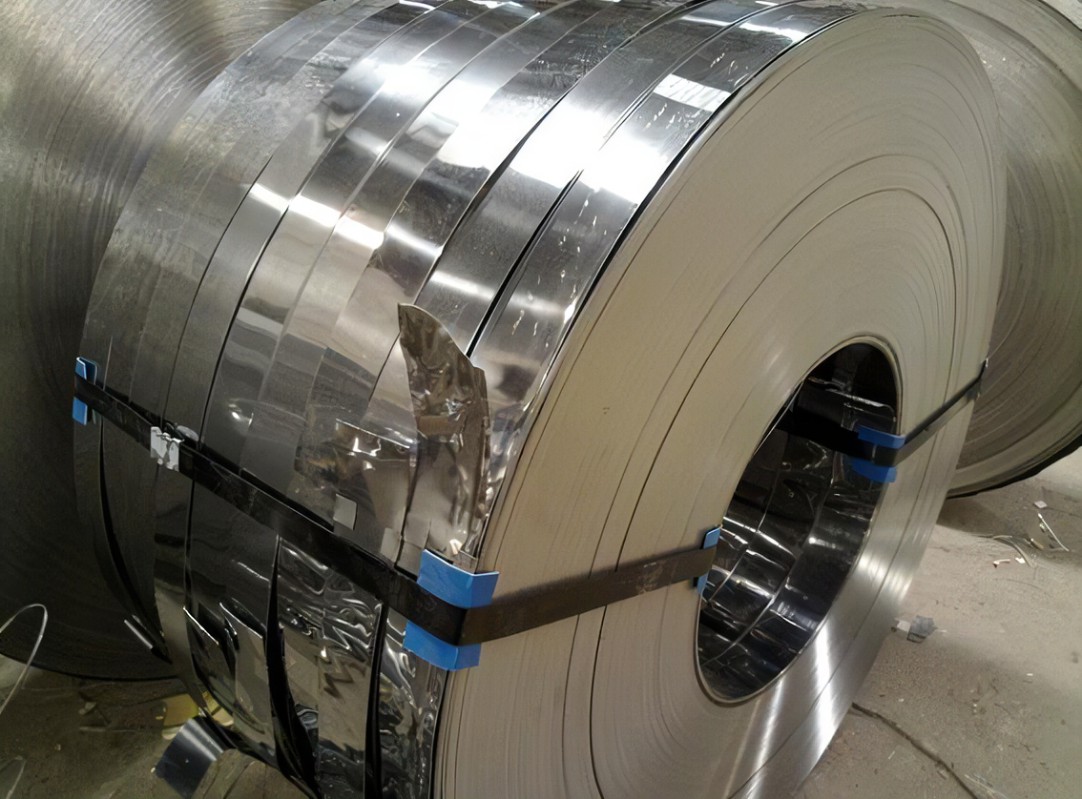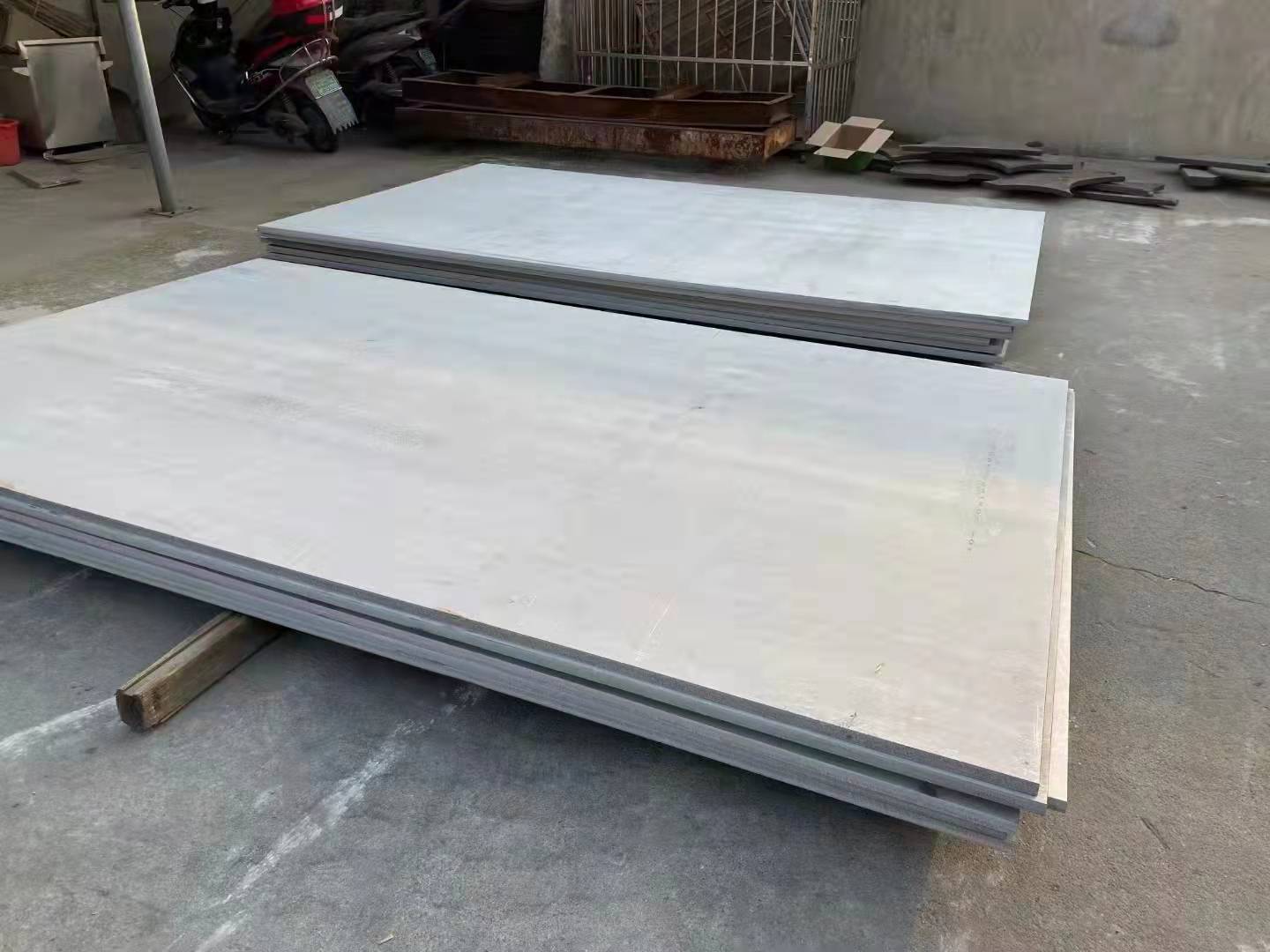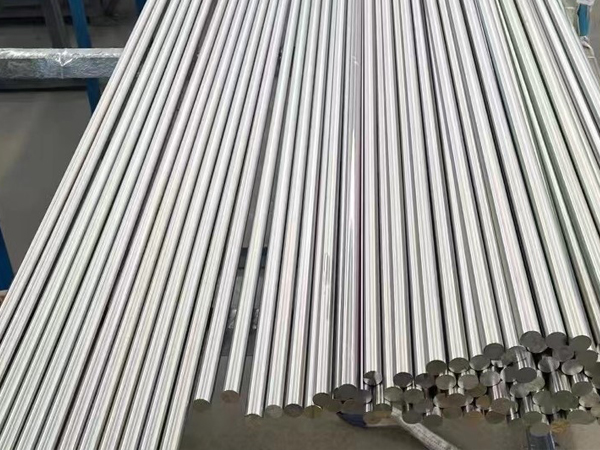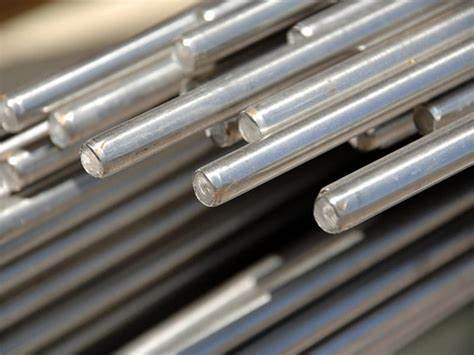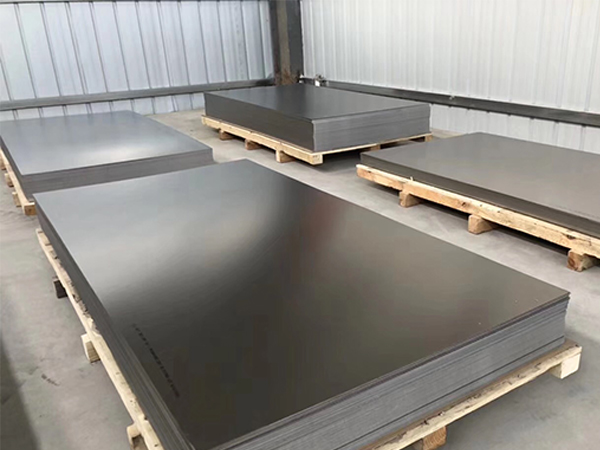


Titanium Grade 16H (UNS R52402) is a palladium-stabilized commercially pure titanium grade in which a small addition of palladium dramatically improves corrosion resistance in reducing and mildly oxidizing media. The "H" designation denotes the higher-interstitial version of the palladium-bearing Grade 16 family, which offers increased strength while retaining the enhanced corrosion resistance imparted by palladium. Plate, sheet and strip are supplied to ASTM B265 (Standard Specification for Titanium and Titanium Alloy Strip, Sheet, and Plate).
Overview
The addition of palladium in the range of 0.04–0.08% suppresses the formation of active corrosion cells and shifts the corrosion potential in the noble direction, giving Grade 16H outstanding resistance to attack in hot chloride solutions, seawater, organic acids and dilute reducing acids where unalloyed titanium would suffer crevice corrosion or hydrogen pickup. Grade 16H retains the good fabricability, weldability and formability of CP titanium, and offers a higher strength level than Grade 16, making it a cost-effective choice for demanding chemical process service. It is produced with strict control of interstitial elements and is fully certified against ASTM B265.
Chemical Composition (ASTM B265)
| Element | Composition (%) |
|---|---|
| Palladium (Pd) | 0.04 – 0.08 |
| Iron (Fe) | 0.30 max |
| Oxygen (O) | 0.25 max |
| Carbon (C) | 0.08 max |
| Nitrogen (N) | 0.03 max |
| Hydrogen (H) | 0.015 max |
| Titanium (Ti) | Balance |
Mechanical Properties
| Property | Requirement |
|---|---|
| Tensile Strength (UTS) | ≥ 400 MPa (58 ksi) |
| Yield Strength (YS) | ≥ 275 MPa (40 ksi) |
| Elongation | ≥ 20% |
Applications
Titanium Grade 16H is widely used in corrosive chemical service, particularly for pressure vessels, heat exchangers, reactors, piping systems and tank linings in chemical plants handling chlorides, seawater, brine and organic acids. It is also specified for desalination plants, pulp and paper processing, pollution control scrubbers and marine equipment where crevice corrosion resistance is critical.
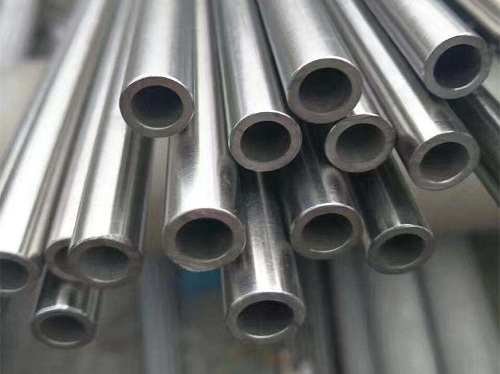
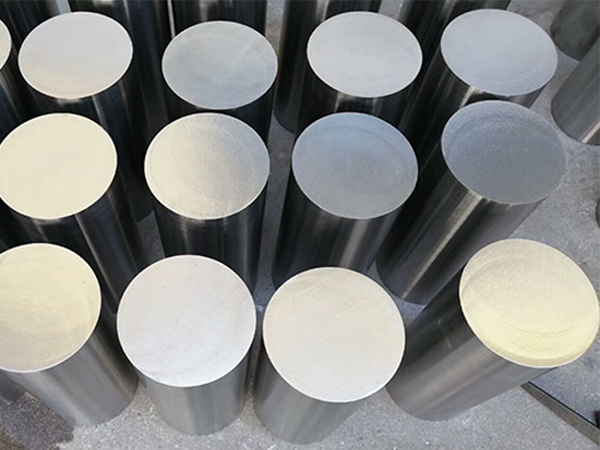
Shanghai Hangbo Alloy Group supplies Titanium Grade 16H (UNS R52402) in bar, tube and plate forms with full ASTM B265 certification.
| Channel | Details |
|---|---|
| Website | www.nickel-alloy.com |
| sales@hangboalloy.com | |
| hangbo@nickel-alloy.com | |
| WhatsApp / Phone | +86 13611656360 |
| Skype | +86 13611656360 |
| Address | Shanghai, China |