

Grade & Introduction
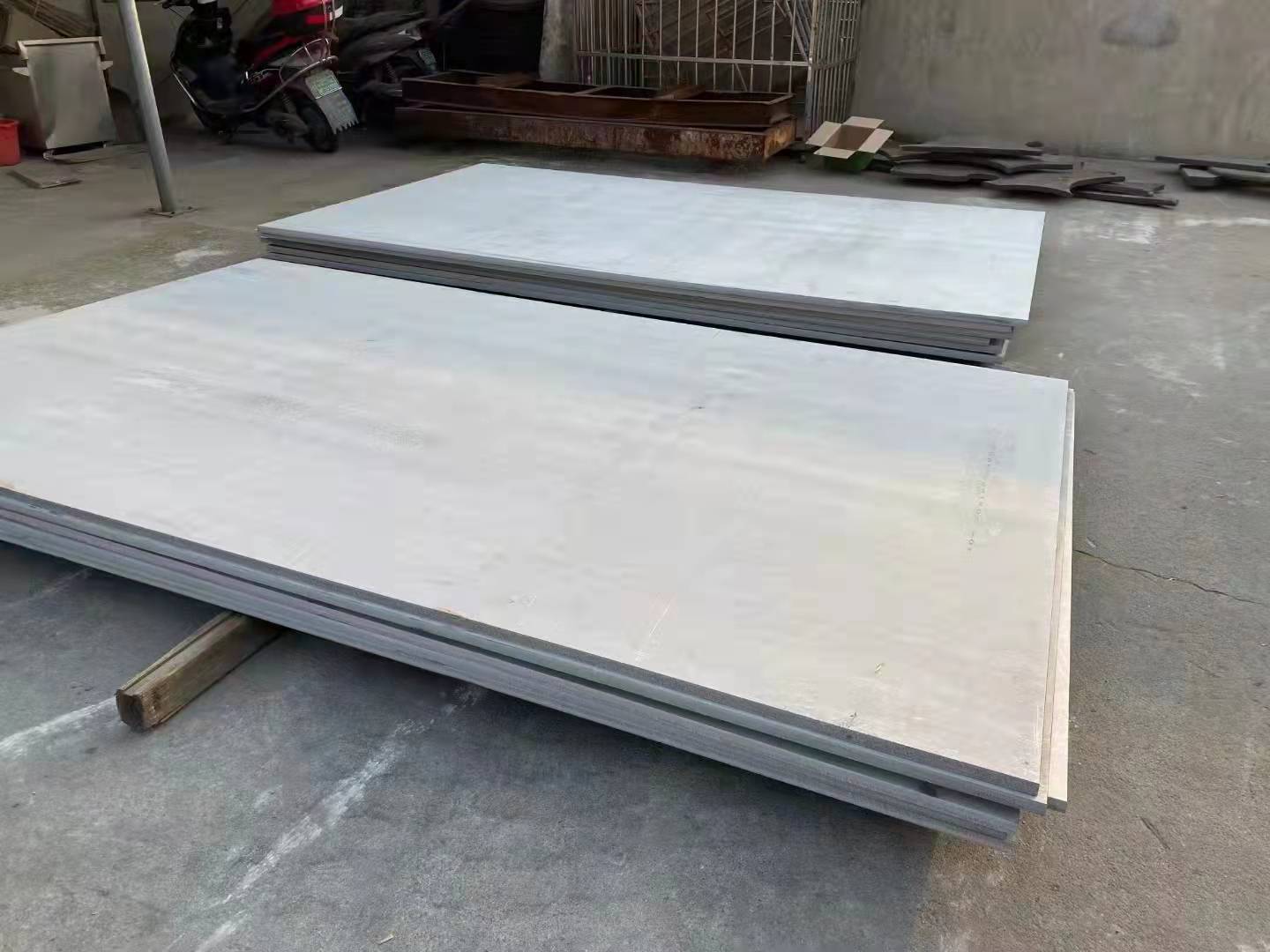
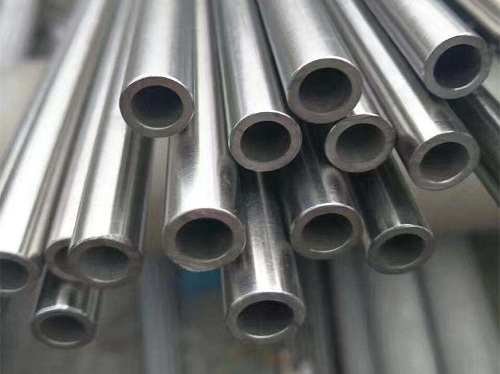
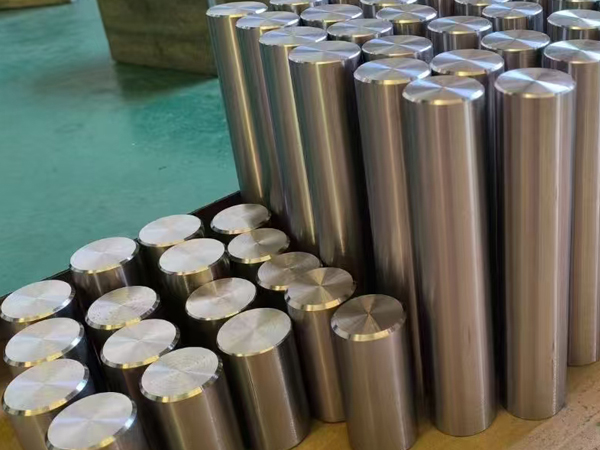
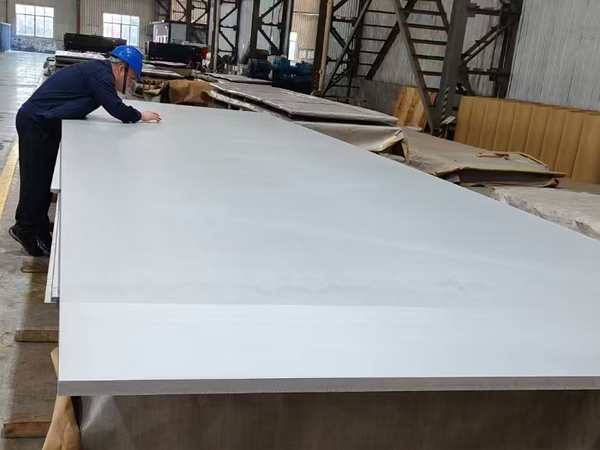
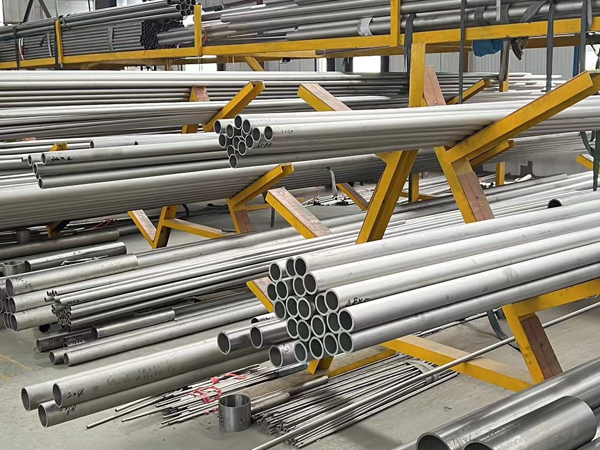
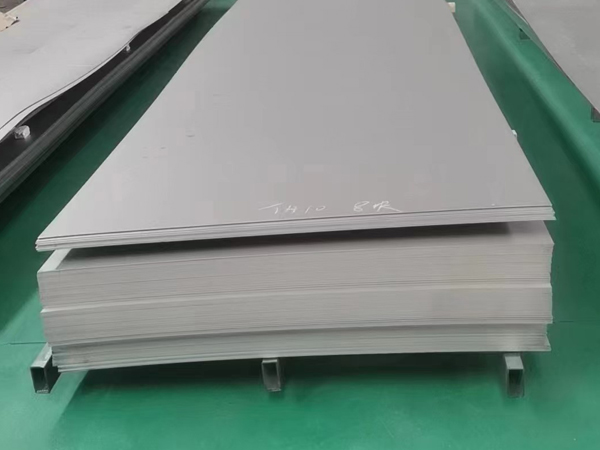
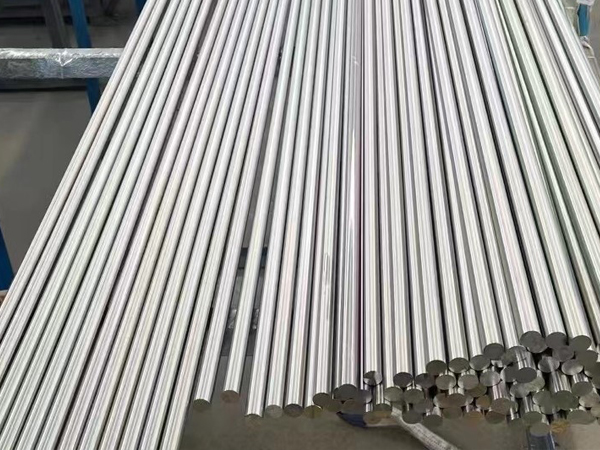
Titanium Grade 17 (UNS R52252) is a specialized unalloyed titanium grade containing 0.04% to 0.08% Palladium, specifically formulated with a low oxygen content to maximize ductility and cold formability. As the "ELI" (Extra Low Interstitial) equivalent of Grade 16, it offers the same exceptional resistance to crevice corrosion and mildly reducing media but with enhanced fracture toughness at cryogenic temperatures. Shanghai Hangbo Alloy Group provides Titanium Grade 17 in various forms, including bars, tubes, and plates, predominantly for applications requiring extreme fabricability alongside high-integrity corrosion protection in aggressive chloride environments.
Applicable Standards
Our Titanium Grade 17 products meet the following international material specifications:
- ASTM B265: Titanium and Titanium Alloy Strip, Sheet, and Plate
- ASTM B348: Titanium and Titanium Alloy Bars and Billets
- ASTM B338 / B861: Seamless and Welded Titanium Alloy Tubes
- ASTM B381: Titanium and Titanium Alloy Forgings
- ASME SB-265 / SB-348 / SB-338: Global standards for pressure vessel components
Chemical Composition
The controlled oxygen levels and precise Palladium addition are the hallmarks of Grade 17, verified by spectrometer on every batch.
| Element | Pd | Fe | O | C | N | H | Ti |
|---|---|---|---|---|---|---|---|
| Min (%) | 0.04 | -- | -- | -- | -- | -- | Bal. |
| Max (%) | 0.08 | 0.20 | 0.18 | 0.08 | 0.03 | 0.015 | -- |
Mechanical & Physical Properties
Grade 17 is characterized by its high ductility; typical/reference values are listed below:
| Tensile Strength (Min) | 240 MPa (35 ksi) |
| Yield Strength (0.2% Offset) | 170 – 310 MPa (25 – 45 ksi) |
| Elongation (Min) | 24% |
| Density | 4.51 g/cm³ (0.163 lb/in³) |
| Thermal Conductivity | 22 W/m·K (at 20°C) |
| Magnetic Permeability | Non-magnetic |
Material Characteristics
- Maximum Ductility: The low oxygen content ensures superior cold-forming properties compared to Grade 16.
- Corrosion Immunity: Palladium enables the formation of a stable oxide film in conditions where standard CP titanium would fail, especially in crevice conditions.
- Cryogenic Toughness: Maintains high impact resistance and ductility at very low temperatures.
- Excellent Biocompatibility: Like other CP grades, it is highly compatible with biological tissues, though primarily used in industrial processing.
Manufacturing / Processing
Manufacturing Grade 17 at Shanghai Hangbo Alloy Group involves precise Vacuum Arc Remelting (VAR) to control interstitial elements (O, N, H). The alloy is then hot-worked into billets and cold-finished to final dimensions. Solution annealing in vacuum or inert atmosphere is critical to maintaining the low oxygen profile and ensuring the palladium remains in solid solution for uniform corrosion protection.
Testing & Quality Control
Quality assurance for Grade 17 focuses on interstitial control and palladium distribution:
- O/N/H Gas Analysis: Critical verification to ensure "ELI" (Extra Low Interstitial) status.
- Spectrographic Verification: 100% check for Pd content (0.04-0.08%).
- Mechanical Integrity: Tensile and bend testing per lot to verify extreme ductility.
- Surface Finishing: Pickling or polishing to ensure a contaminant-free oxide layer.
Applications
- Cryogenic Engineering: Heat exchangers and storage vessels for liquefied gases requiring high toughness.
- High-Ductility Components: Complex formed bellows, expansion joints, and diaphragm plates in corrosive service.
- Chemical Reactors: Lining and internal components for reactors handling hot, dilute reducing acids.
- Oceanographic Equipment: Deep-sea pressure housings where high ductility and corrosion resistance are required.
Pros & Cons
| Pros | Cons |
|---|---|
| Highest ductility among Palladium-bearing titanium grades. | Lowest tensile strength among Pd-bearing grades. |
| Excellent fracture toughness at cryogenic temperatures. | Not suitable for high-stress structural applications. |
| Superior crevice corrosion resistance in brines. | Slightly higher cost than standard Grade 16 due to O2 control. |
6 Professional FAQs
Q1: Is Grade 17 simply Grade 1 with Palladium?
A: Effectively, yes. It combines the low strength and high ductility of Grade 1 (CP Titanium) with the corrosion-enhancing addition of Palladium.
Q2: How does Grade 17 behave in seawater?
A: It is virtually immune to all forms of seawater corrosion, including pitting and crevice corrosion, even in stagnant conditions or at elevated temperatures.
Q3: Can Grade 17 be cold-formed into complex shapes?
A: Yes, its low oxygen content and high elongation make it the best Pd-bearing grade for deep drawing and complex forming.
Q4: What is the difference between Grade 11 and Grade 17?
A: Both are low-oxygen grades with Pd; Grade 11 has 0.15% Pd (the ELI version of Grade 7), while Grade 17 has 0.05% Pd (the ELI version of Grade 16).
Q5: What welding filler is required for Grade 17?
A: Use matching Grade 17 filler wire. Strict inert gas shielding is required to prevent oxygen pickup during welding, which would reduce ductility.
Q6: Is Grade 17 available in thin foils?
A: Yes, Shanghai Hangbo Alloy Group supplies Grade 17 in precision strip and foil formats for diaphragm and bellows manufacturing.
Related Product Supply List
- Round Bars: Diameter 5mm – 250mm, annealed and ground.
- Plates & Sheets: 0.3mm – 40mm thickness, custom sizes up to 2000mm width.
- Seamless Tubes: OD 10mm – 168mm, certified for heat exchanger use.
- Precision Foil: Thickness down to 0.05mm for specialized diaphragms.
- Custom Forgings: Specialized flanges and blocks per customer drawings.