

Excerpt:
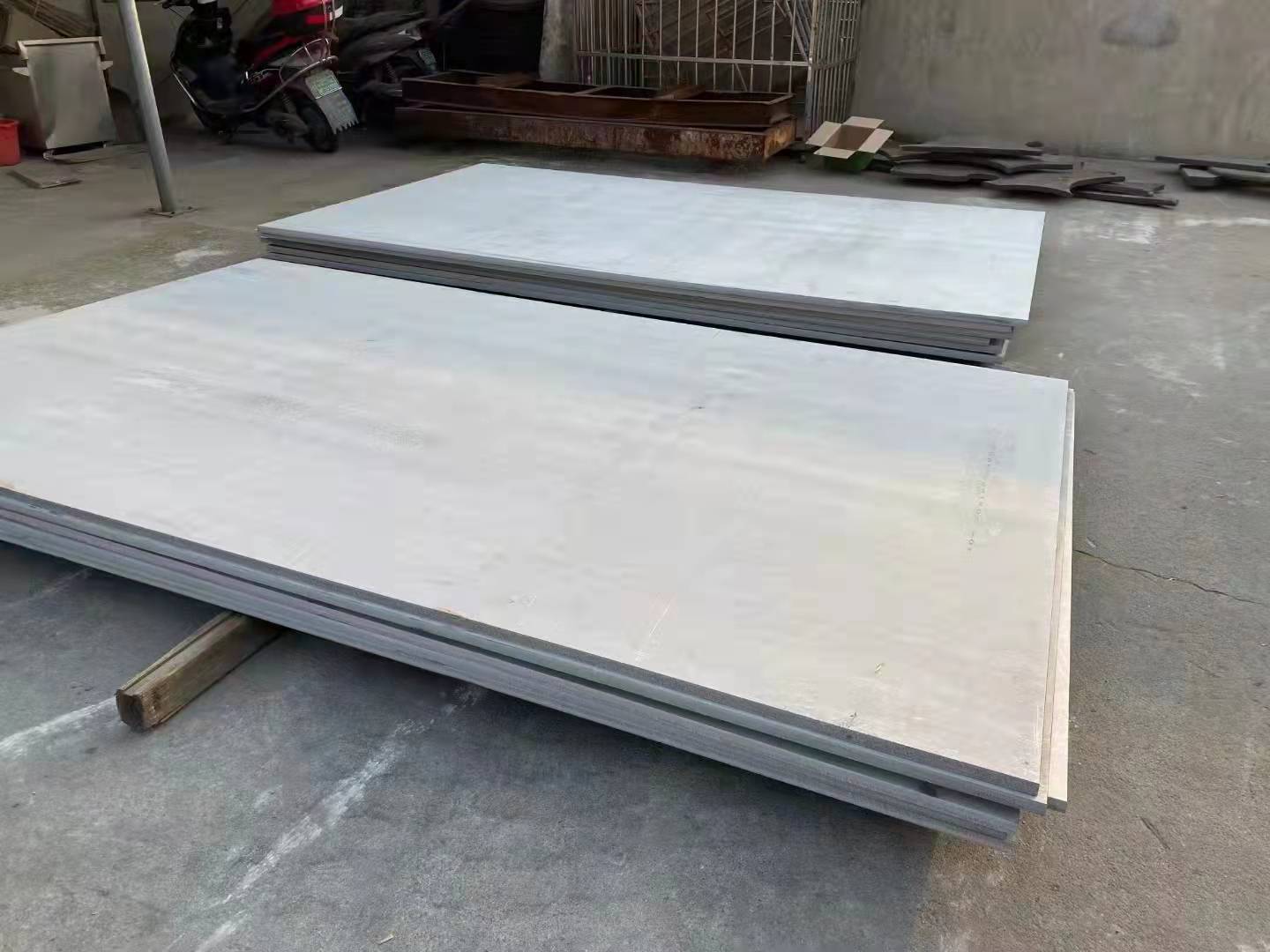
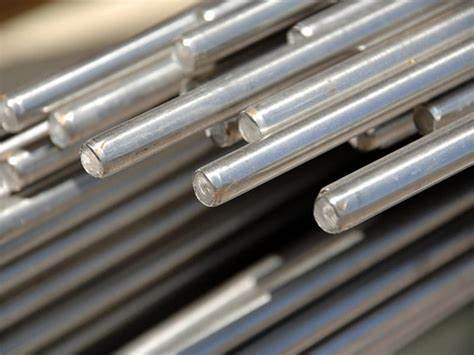
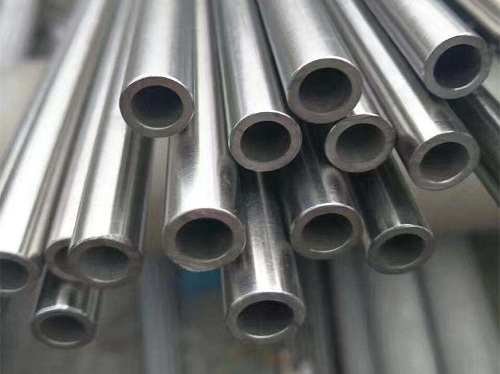
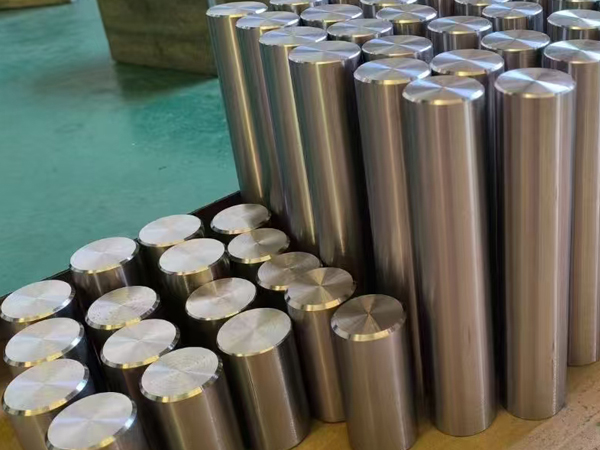
Gr2H supplier and manufacturer. High quality nickel alloy material available in bar, tube, plate, sheet and forging forms. Shanghai Hangbo Alloy Group.
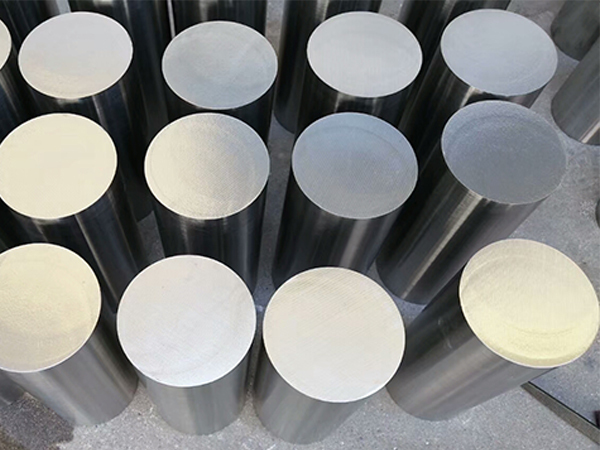
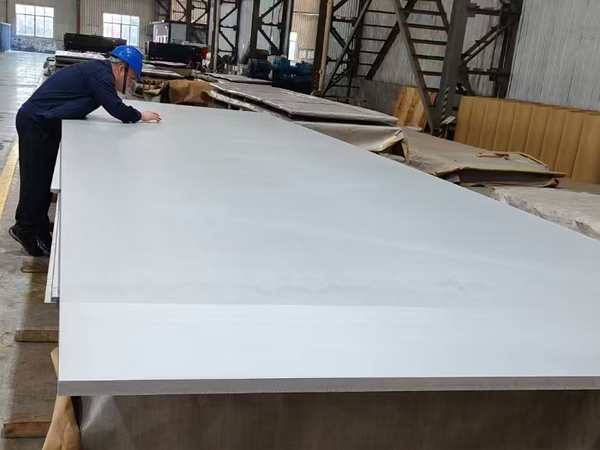
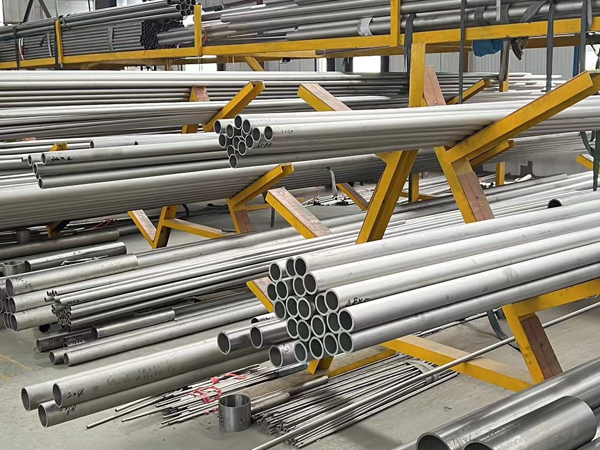
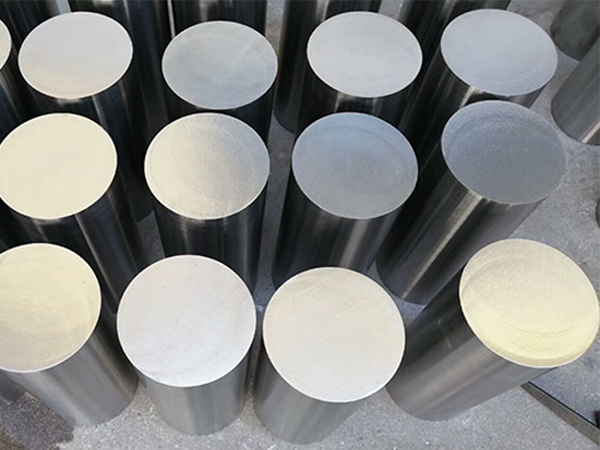
Shanghai Hangbo Alloy Group Co., Ltd. is an ISO 9001:2015 certified manufacturer and global supplier of premium Titanium Grade 2H (High-Strength Grade 2, UNS R50400) round bars, welded and seamless tubes, plates, sheets, strips and forgings. Grade 2H is metallurgically identical to Grade 2 except for a tightly controlled oxygen range of 0.20–0.25% — a deliberate interstitial strengthening that lifts minimum tensile strength to 483 MPa while preserving the superb weldability, formability and seawater corrosion resistance of commercially pure titanium. It is the engineering upgrade for pressure vessels, heat exchangers and marine structures that need more strength than Grade 2.
Standards & Specifications
- ASTM B265 — Strip, Sheet and Plate (also ASME SB-265)
- ASTM B348 — Bars and Billets (also ASME SB-348)
- ASTM B367 — Castings / ASTM B381 — Forgings
- ASTM B861 (seamless tube) / ASTM B862 (welded tube)
- UNS R50400 / EN 10204 3.1 / 3.2 mill certificates with every shipment
Precise ASTM Chemical Composition (%)
| Element | Range / Max (ASTM B265 / B348) |
|---|---|
| Iron (Fe) | 0.30 max |
| Oxygen (O) | 0.20 – 0.25 (Grade 2H control range) |
| Carbon (C) | 0.08 max |
| Nitrogen (N) | 0.03 max |
| Hydrogen (H) | 0.015 max |
| Titanium (Ti) | Balance |
Physical & Mechanical Properties (Annealed, Minimum)
| Property | Typical Value |
|---|---|
| Tensile Strength (min) | 483 MPa (70 ksi) |
| Yield Strength, 0.2% Offset (min) | 345 MPa (50 ksi) |
| Elongation (in 2" / 50 mm) | 20% |
| Density | 4.51 g/cm³ |
| Melting Point | ~1668 °C |
| Elastic Modulus | ~105 GPa (15,200 ksi) |
Depth Characteristics
- 40% Stronger than Grade 2: The controlled 0.20–0.25% oxygen range raises minimum tensile from 345 to 483 MPa — the same chemistry family, engineered to a higher strength class.
- Code-Approved for Pressure Vessels: Recognized by ASME Boiler & Pressure Vessel Code (SB-265) for pressure-retaining components at higher design stresses than Grade 2.
- Unchanged Corrosion Resistance: Oxygen strengthening does not affect the passive TiO₂ film — Grade 2H keeps full CP-grade immunity to seawater, chloride pitting and most oxidizing media.
- Excellent Weldability & Formability: With 20% minimum elongation, Grade 2H cold-forms and welds exactly like Grade 2 — no preheat, no post-weld heat treatment.
- Cost-Effective Strength Upgrade: Achieves Grade 3-class strength from the cheaper Grade 2 feedstock, reducing wall thickness and weight in pressure equipment.
- Proven Marine Track Record: Decades of service in seawater piping, heat exchangers and ship hulls with zero pitting or crevice failures.
Manufacturing Process — Sponge Selection, VAR / EB Melting
Grade 2H is produced from Kroll-process titanium sponge selected for a narrow, elevated oxygen window (0.20–0.25%) — the key to hitting the higher strength class while avoiding brittle oxygen pickup. Sponge lots are blend-computed and confirmed by pre-melt chemistry before compaction. The electrodes are melted 1–2 times in a Vacuum Arc Remelting (VAR) furnace, with optional Electron Beam Cold Hearth (EBCHM) refining for heat-exchanger tube stock. Ingots are forged and rolled in the alpha field, then annealed at 650–760°C. Welded tube is TIG/GTAW seam-welded in inert atmosphere, annealed, and 100% tested (hydrostatic, flattening, eddy-current) per ASTM B862.
Testing & Inspection — PMI / UT
- PMI (Positive Material Identification): 100% XRF / OES verification of Fe and Ti; interstitial oxygen is verified by fusion/inert-gas analysis on every heat.
- UT (Ultrasonic Testing): Full-length ultrasonic examination of bar/billet (ASTM E2375 / E213), plate (ASTM E114) and tube (ASTM E213 + eddy current per ASTM E426).
- Mechanical Verification: Tensile, yield and elongation per ASTM E8 with hard proof that 483 MPa minimum is met in the delivered condition.
- Corrosion & Dimensional: Optional boiling-acid and crevice-corrosion verification, hardness, and full dimensional checks to mill tolerance.
- EN 10204 3.1 / 3.2 certificates and third-party inspection (SGS, BV, TÜV) available.
Application Scenarios — Marine / Chemical / Medical
- Marine Engineering: Seawater piping, hull plating, propeller shafts and offshore platform structures requiring strength beyond Grade 2.
- Pressure Vessels & Heat Exchangers: ASME-coded vessels, tube bundles and condensers where thinner walls at 70 ksi design stress cut cost and weight.
- Chemical Processing: Reactors, tanks and piping for chlorides, oxidizing acids and brine service at higher allowable stresses.
- Desalination: MSF and RO plant components in hot seawater with immunity to chloride pitting and crevice attack.
- Medical & Surgical: Orthopedic instruments and implant-adjacent hardware where higher strength than Grade 2 is needed with full biocompatibility.
7+ Professional FAQs
1. What is the UNS number of Titanium Grade 2H?
Grade 2H shares UNS R50400 with Grade 2 — the “H” designation marks the elevated-strength (0.20–0.25% O) class under ASTM B265 and B348, with 483 MPa minimum tensile versus 345 MPa for Grade 2.
2. How is Grade 2H different from Grade 2?
The chemistry is identical except for the controlled oxygen range. The higher oxygen raises strength by ~40% while keeping the same corrosion resistance, weldability and formability.
3. Can Grade 2H be welded?
Yes — like Grade 2 it welds readily by TIG/GTAW, plasma and resistance methods without preheat or post-weld heat treatment.
4. Is Grade 2H approved for pressure vessels?
Yes — ASME SB-265/SB-348 recognize Grade 2H for pressure-retaining components, enabling thinner, lighter designs at higher allowable stresses.
5. Does the higher oxygen affect corrosion resistance?
No — corrosion performance is governed by the protective TiO₂ oxide film, which is unaffected by the 0.05% oxygen increase; seawater and chloride immunity is fully retained.
6. What is the maximum service temperature?
Continuous service to ~315°C (600°F) in oxidizing and chloride media; above this, oxidation governs design limits.
7. Which melting routes are used for Grade 2H?
Single or double VAR melting, with optional EBCHM refining; every heat is chemistrized for the oxygen control range before release.
8. What forms does Hangbo supply in Grade 2H?
Plate, sheet, strip, round bar, welded/seamless tube and forgings — all with verified 483 MPa minimum tensile and full mill documentation.
Supply List
- Plate / Sheet: Thickness 1mm – 80mm, ASTM B265 / SB-265
- Round Bar: Φ6mm – Φ350mm, peeled/ground, annealed
- Welded Tube / Pipe: OD 19mm – 610mm, ASTM B862
- Seamless Tube: OD 6mm – 219mm, ASTM B861
- Strip / Forgings: Heat-exchanger strip, flanges and custom components
Contact Hangbo Alloy for Certified Titanium Gr2H
| Channel | Details |
|---|---|
| Website | www.nickel-alloy.com |
| sales@hangboalloy.com | |
| hangbo@nickel-alloy.com | |
| WhatsApp / Phone | +86 13611656360 |
| Skype | +86 13611656360 |
| Address | Shanghai, China |
Need certified Titanium Gr2H (UNS R50400) plate, bar or tube for pressure vessels or marine service? Contact Shanghai Hangbo Alloy Group for instant quotations, stock availability and mill certificates — quick response within 10 minutes.