

Grade & Introduction
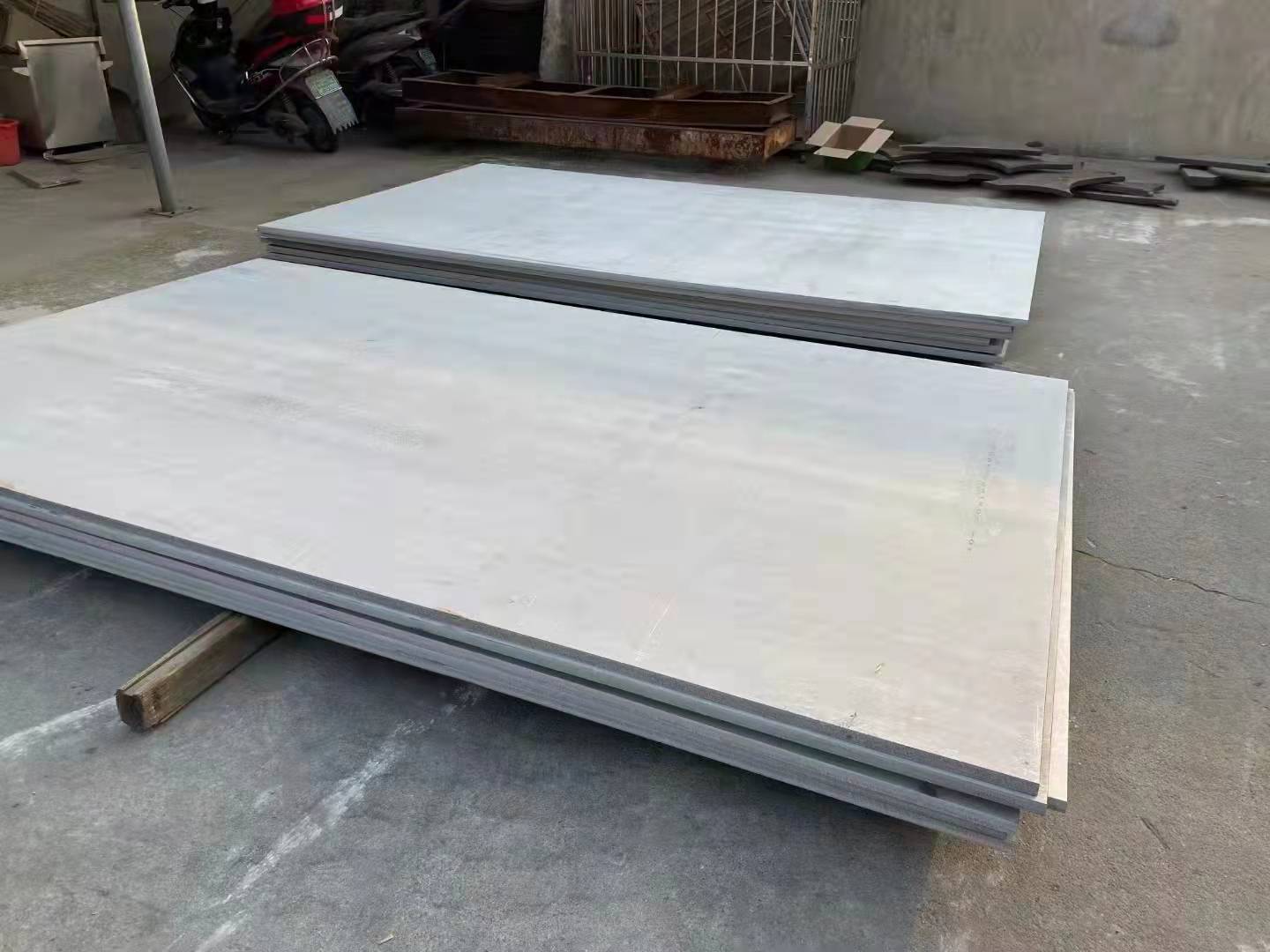
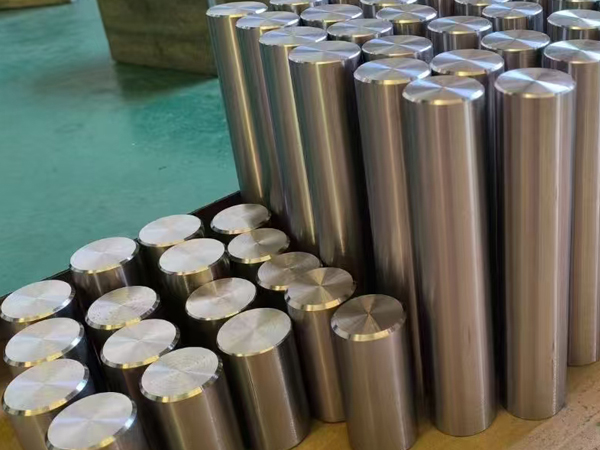
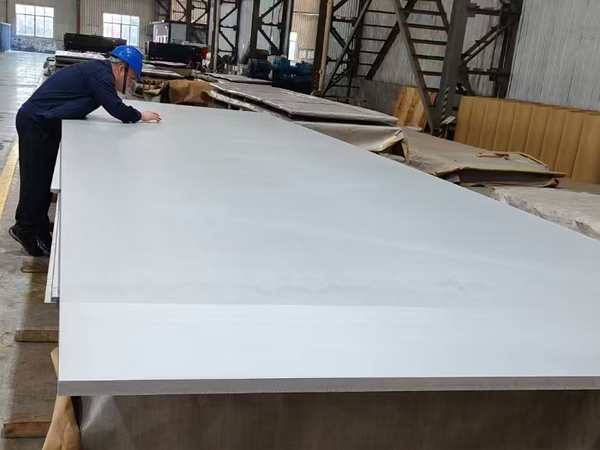
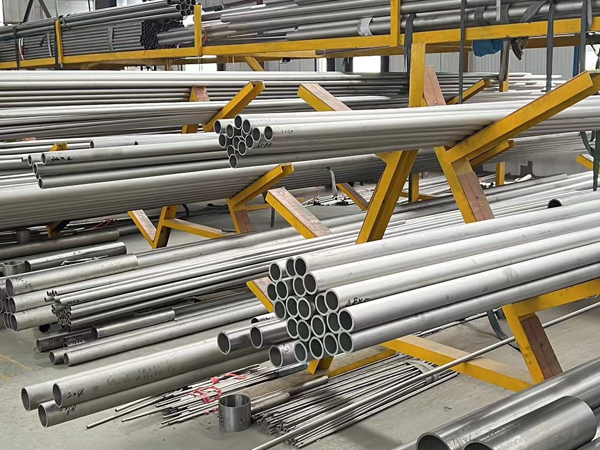
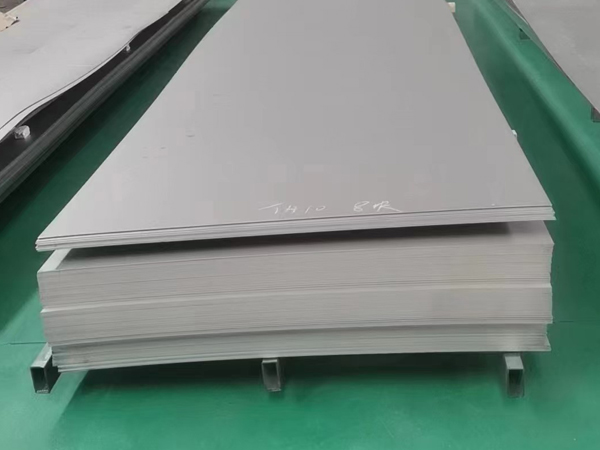
Titanium Grade 16 (UNS R52402) is a specialized "near-CP" (Commercially Pure) titanium alloy enriched with a strategic addition of 0.04% to 0.08% Palladium. This grade is specifically engineered to provide a cost-effective alternative to Grade 7, offering nearly identical corrosion resistance in mildly reducing media and outstanding protection against localized crevice corrosion in hot chloride environments. At Shanghai Hangbo Alloy Group, we supply Titanium Grade 16 in various forms, including precision-ground bars, seamless tubes, and high-integrity plates, ensuring reliable performance in chemical processing and marine engineering where Grade 2 might face limitations.
Applicable Standards
Our Titanium Grade 16 products are manufactured and certified in strict accordance with major international specifications:
- ASTM B265: Standard Specification for Titanium and Titanium Alloy Strip, Sheet, and Plate
- ASTM B348: Standard Specification for Titanium and Titanium Alloy Bars and Billets
- ASTM B338 / B861: Standard Specification for Seamless and Welded Titanium and Titanium Alloy Tubes for Condensers and Heat Exchangers
- ASTM B381: Standard Specification for Titanium and Titanium Alloy Forgings
- ASME SB-265 / SB-348 / SB-338: Boiler and Pressure Vessel Code requirements
Chemical Composition
The chemical integrity of Grade 16 is defined by its precise Palladium content, verified by OES at Shanghai Hangbo Alloy Group.
| Element | Pd | Fe | O | C | N | H | Ti |
|---|---|---|---|---|---|---|---|
| Min (%) | 0.04 | -- | -- | -- | -- | -- | Bal. |
| Max (%) | 0.08 | 0.30 | 0.25 | 0.08 | 0.03 | 0.015 | -- |
Mechanical & Physical Properties
Grade 16 maintains the excellent formability and ductility of Grade 2 with typical/reference values provided below:
| Tensile Strength (Min) | 345 MPa (50 ksi) |
| Yield Strength (0.2% Offset) | 275 – 450 MPa (40 – 65 ksi) |
| Elongation in 2 in (Min) | 20% |
| Density | 4.51 g/cm³ (0.163 lb/in³) |
| Modulus of Elasticity | 105 GPa (15 x 10⁶ psi) |
| Melting Point | 1660 °C (3020 °F) |
Material Characteristics
- Enhanced Corrosion Resistance: The palladium addition provides a significant cathodic shift, expanding the alloy's passivity range in reducing environments.
- Crevice Corrosion Protection: Exceptional resistance to localized attack in hot chloride brines (up to 250°C), where CP grades might suffer.
- Excellent Weldability: Can be welded using standard TIG/MIG processes with matching Grade 16 filler wire.
- Superior Formability: Similar to Grade 2, it allows for complex cold forming and drawing operations.
Manufacturing / Processing
At Shanghai Hangbo, Titanium Grade 16 is processed using Vacuum Induction Melting (VIM) followed by Vacuum Arc Remelting (VAR) to ensure ultra-low impurity levels. Post-melt, the material undergoes controlled hot rolling and cold finishing. Vacuum annealing is performed to optimize the grain structure and mechanical properties, ensuring the palladium is uniformly distributed across the matrix.
Testing & Quality Control
Every batch of Titanium Grade 16 undergoes rigorous verification to ensure zero-defect delivery:
- OES / ICP Chemistry: Precise measurement of Palladium and interstitial elements (O, N, H, C).
- Ultrasonic Testing (UT): 100% inspection per ASTM A388 or specialized aerospace standards to ensure internal integrity.
- Corrosion Testing: Pitting and crevice corrosion evaluation according to ASTM G48 or customer-specific protocols.
- Dimensional Inspection: Strict tolerance control for precision tubing and bar stock.
Applications
- Chemical Processing: Heat exchangers, reactors, and piping systems handling mildly reducing acids or chlorides.
- Desalination: Brine heaters and evaporators where high-temperature chloride resistance is paramount.
- Marine Engineering: Subsea components, valve bodies, and shafts exposed to stagnant or flowing seawater.
- Pulp & Paper: Bleaching equipment and washer drums exposed to aggressive chloride solutions.
Pros & Cons
| Pros | Cons |
|---|---|
| Lower cost than Grade 7 (0.15% Pd) with similar performance. | More expensive than standard CP Grade 2. |
| Superior crevice corrosion resistance in hot chlorides. | Lower strength compared to alpha-beta alloys like Grade 5. |
| Broad compatibility with standard CP fabrication techniques. | Palladium price fluctuations can affect overall material cost. |
6 Professional FAQs
Q1: What is the main advantage of Grade 16 over Grade 2?
A: The Palladium addition significantly enhances resistance to crevice corrosion in hot chloride environments and mildly reducing acids.
Q2: Is Grade 16 as strong as Grade 5 (Ti-6Al-4V)?
A: No, Grade 16 is an unalloyed titanium grade with strength similar to Grade 2 (CP Titanium), prioritized for corrosion resistance rather than high structural strength.
Q3: Can Grade 16 be used in high-temperature applications?
A: Yes, it is suitable for continuous service up to approximately 300°C (570°F), above which oxidation might become a concern.
Q4: What filler wire should be used for welding Grade 16?
A: It is recommended to use matching Titanium Grade 16 filler wire to ensure the weld zone maintains the same palladium content and corrosion resistance.
Q5: How does Palladium prevent corrosion in Titanium?
A: Palladium acts as a cathodic catalyst, promoting the formation and maintenance of the protective titanium oxide layer even in reducing conditions.
Q6: Is Grade 16 available in large diameters?
A: Yes, Shanghai Hangbo Alloy Group supplies Grade 16 round bars up to 300mm in diameter and custom forgings based on project requirements.
Related Product Supply List
- Round Bars: Diameter 6.0mm – 300mm, precision ground or polished.
- Seamless Tubes: OD 6mm – 219mm, Wall 0.5mm – 20mm.
- Plates / Sheets: Thickness 0.5mm – 50mm, Width up to 2500mm.
- Forgings: Rings, discs, and custom shafts per drawings.
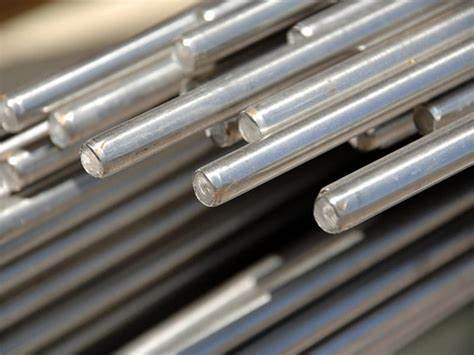
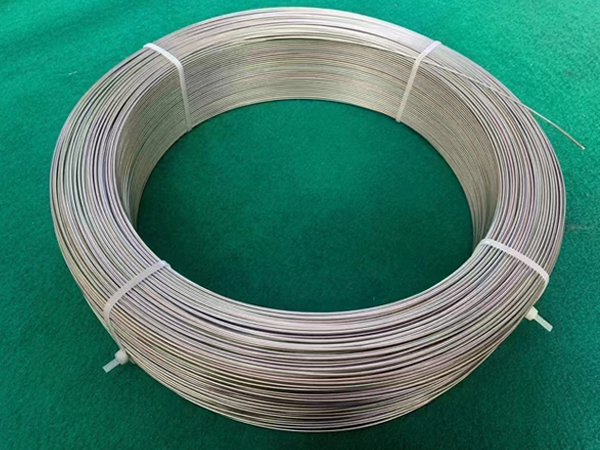
- Welding Wire: Diameter 1.0mm – 4.0mm in spools or cut lengths.