

Excerpt:
Hastelloy G-35 (UNS N06035) supplier — improved G-30 with better corrosion resistance in high-temperature phosphoric acid. Chemical processing applications. Contact Hangbo.
Shanghai Hangbo Alloy Group Co., Ltd. is an ISO 9001:2015 certified manufacturer and global supplier of premium Hastelloy G-35 (UNS N06035 / W.Nr. 2.4643) round bars, welded pipes, seamless tubes, plates and forgings. With the highest chromium content (33%) among Ni-Cr-Mo alloys, G-35 delivers unmatched resistance to mixed nitric/hydrochloric acids, wet-process phosphoric acid and oxidizing chloride media — the material of choice for the most demanding chemical and fertilizer processes.
Standards
- ASTM B581 — Rod, Bar, Wire (Hot-Worked / Annealed)
- ASTM B619 — Welded Pipe (Large Diameter)
- ASTM B622 — Seamless Pipe & Tube
- ASTM B582 — Plate, Sheet, Strip
- UNS N06035 / W.Nr. 2.4643 / ASME SB581-SB619
Precise ASTM Chemical Composition (%)
| Element | Range / Max |
|---|---|
| Nickel (Ni) | Balance |
| Chromium (Cr) | 32.25 – 34.25 |
| Molybdenum (Mo) | 7.6 – 9.0 |
| Iron (Fe) | 2.0 max |
| Carbon (C) | 0.05 max |
| Silicon (Si) | 0.60 max |
| Manganese (Mn) | 1.0 max |
| Tungsten (W) | 0.60 max |
| Cobalt (Co) | 1.0 max |
| Copper / Niobium (Cu/Nb) | 0.30 / 0.50 max |
| Phosphorus / Sulfur (P/S) | 0.03 / 0.015 max |
Physical & Mechanical Properties
| Property | Typical Value (Min) |
|---|---|
| Tensile Strength (Annealed, ASTM B581) | 690 MPa (100 ksi) |
| Yield Strength (0.2% Offset) | 310 MPa (45 ksi) |
| Elongation (in 2") | 40% |
| Hardness (Brinell) | ≤ 217 HB |
| Density | 8.22 g/cm³ |
| Melting Range | 1320 – 1370 °C |
Depth Characteristics
- Champion in Mixed Acids: The 33% Cr level gives G-35 outstanding resistance to nitric + hydrochloric mixed acids where other Ni-Cr-Mo alloys fail.
- Wet-Process Phosphoric Acid Leader: Superior resistance to P2O5 acid containing fluorides, chlorides and sulfates — the top choice for fertilizer evaporators.
- Oxidizing Chloride Environments: Excellent in chlorine dioxide, hypochlorite and bleach plant service with strong pitting/crevice immunity.
- Thermally Stable Welds: Balanced chemistry minimizes secondary-phase precipitation in the HAZ, retaining corrosion resistance as-welded.
- Stress-Corrosion Cracking Resistance: High Cr + Mo provides strong SCC resistance in chloride and sulfide environments.
Manufacturing Process — Forging & Heat Treatment
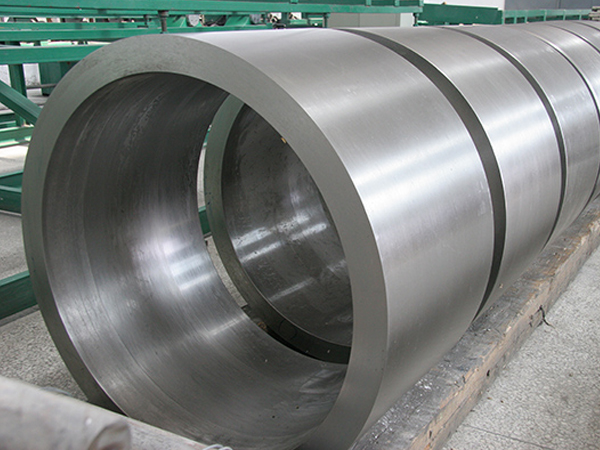
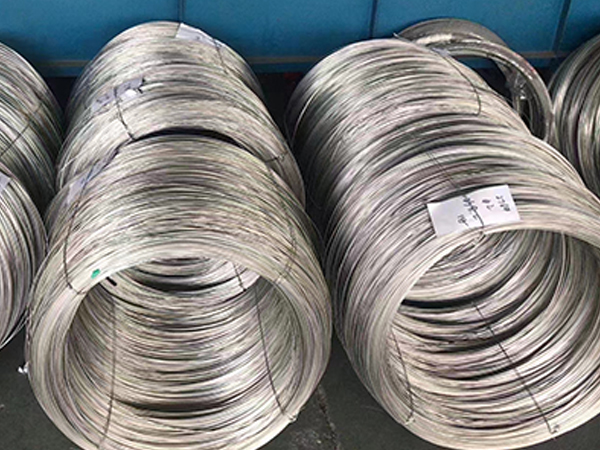
G-35 is produced via VIM + ESR melting to guarantee ultra-clean microstructures, hot-forged at 1000–1180°C and finished above 950°C. Every product receives solution annealing at 1120–1170°C with rapid water quenching. Welded pipe is TIG/GTAW seam-welded, fully annealed, and 100% tested (hydrostatic, flattening, eddy-current) per ASTM B619. Bars are peeled/ground to tight dimensional tolerances for valve and fastener manufacture.
Testing & Inspection Methods — PMI / UT / RT
- PMI (Positive Material Identification): 100% XRF/arc-OES verification of Cr, Mo, Ni and trace elements on all delivered material.
- UT (Ultrasonic Testing): Full-length ultrasonic examination of bar (ASTM E213) and tube (ASTM E2375) for internal soundness.
- RT (Radiographic Testing): X-ray/gamma inspection of welded pipe seam welds per ASME Section V for pressure-critical applications.
- Plus: tensile/hardness testing, ASTM G28 intergranular corrosion tests, ASTM G48 pitting tests, liquid penetrant testing and dimensional inspection; EN 10204 3.1/3.2 certificates supplied with every shipment.
High-Frequency Application Scenarios
- Fertilizer Plants: Wet-process phosphoric acid evaporators, heat exchangers and reactor agitators.
- Pickling Lines: Nitric/HF mixed-acid pickling tanks and acid recovery loops in stainless and specialty steel mills.
- Nuclear Fuel Processing: Equipment handling nitric acid-based dissolver solutions.
- Chlor-Alkali & Bleach: Chlorine dioxide generators, bleach towers and pulp bleaching equipment.
- Pharmaceutical & Fine Chemical: Reactors and piping for aggressive oxidizing organic/inorganic mixtures.
6+ Professional FAQs
1. What makes G-35 different from G-3?
G-35 raises chromium to ~33% and lowers iron, dramatically improving resistance to oxidizing acids (HNO3, mixed acids, phosphoric acid with fluorides) while G-3 is balanced for sulfuric/phosphoric acid at lower cost.
2. Can G-35 handle hydrochloric acid?
It performs well in dilute HCl and in mixed nitric/HCl solutions where C-276 suffers; for hot concentrated HCl, B-series alloys remain the reference.
3. Is G-35 resistant to stress-corrosion cracking?
Yes — the high Cr + Mo combination gives excellent resistance to chloride SCC and sulfide stress cracking, validated in FGD and sour-service applications.
4. Which filler metal is used to weld G-35?
Over-alloyed Ni-Cr-Mo fillers such as ERNiCrMo-13 (Alloy 59) or matching G-35 wire are recommended; GTAW is preferred for full corrosion performance.
5. What is the maximum service temperature of G-35?
For corrosion service, continuous operation to ~400°C (750°F) is typical; above this, sensitization and loss of corrosion resistance may occur.
6. Which ASTM standards cover G-35?
ASTM B581 (rod/bar), B619 (welded pipe), B622 (seamless pipe/tube) and B582 (plate/sheet/strip).
7. Does G-35 need post-weld heat treatment?
No — one of its key advantages is retaining corrosion resistance in the as-welded condition, simplifying fabrication.
Supply List
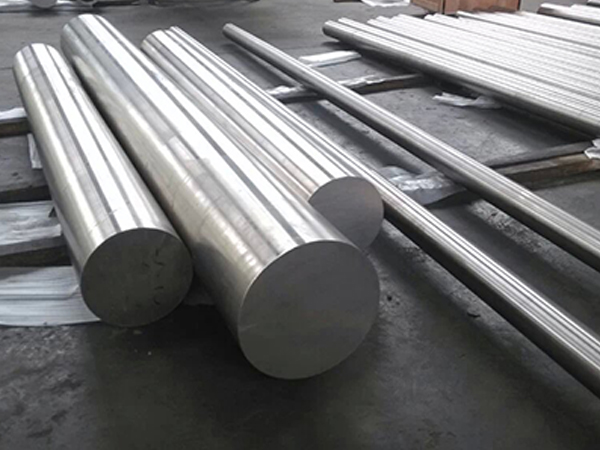
- Round Bar: Φ6mm – Φ400mm, peeled/ground
- Welded Pipe (ASTM B619): OD 60mm – 610mm
- Seamless Tube (ASTM B622): OD 6mm – 219mm
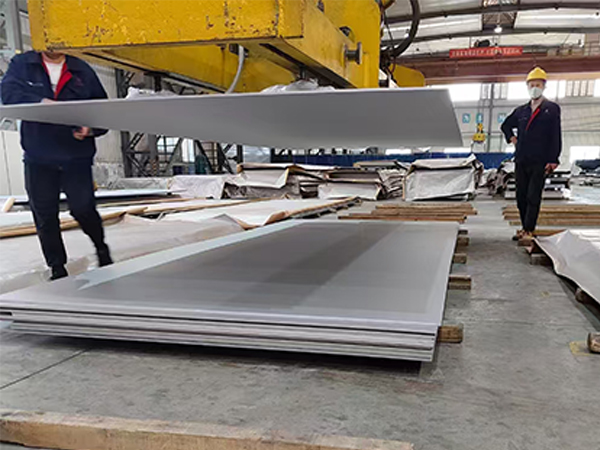
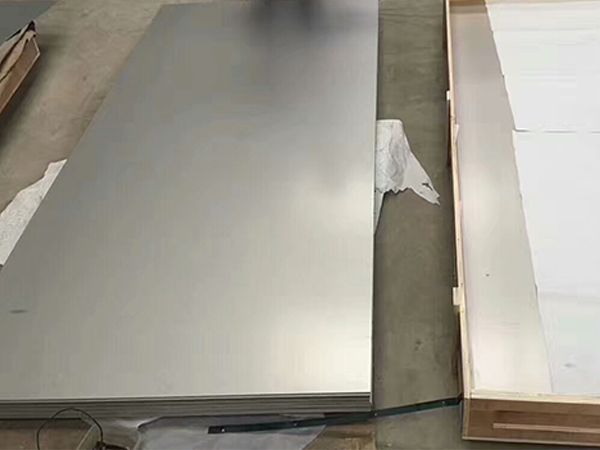
- Plate / Sheet: Thickness 1mm – 50mm
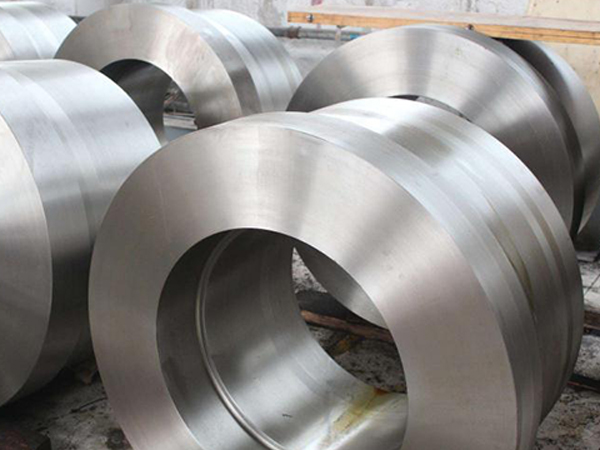
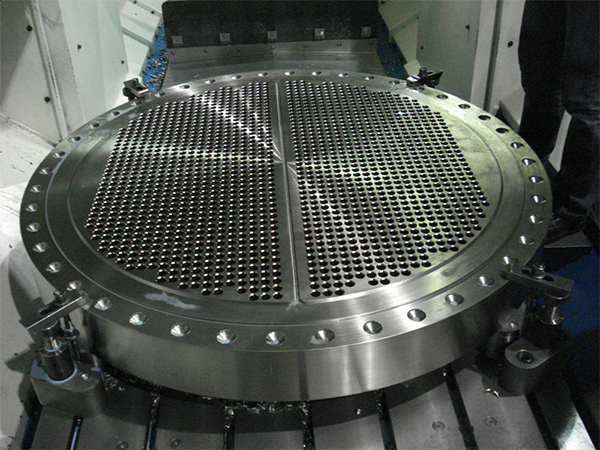
- Forgings: Flanges, fittings, custom parts
Need certified Hastelloy G-35 for your most aggressive chemical processes? Contact Shanghai Hangbo Alloy Group for instant quotations, stock availability and mill certificates — quick response within 10 minutes.