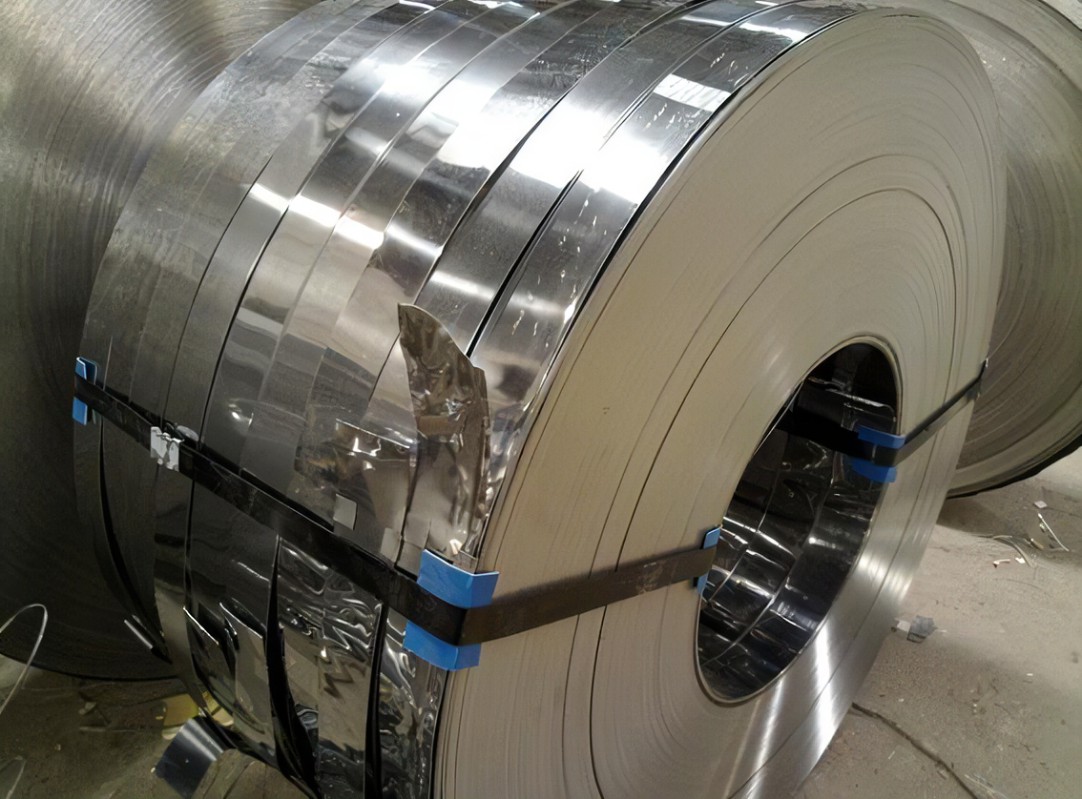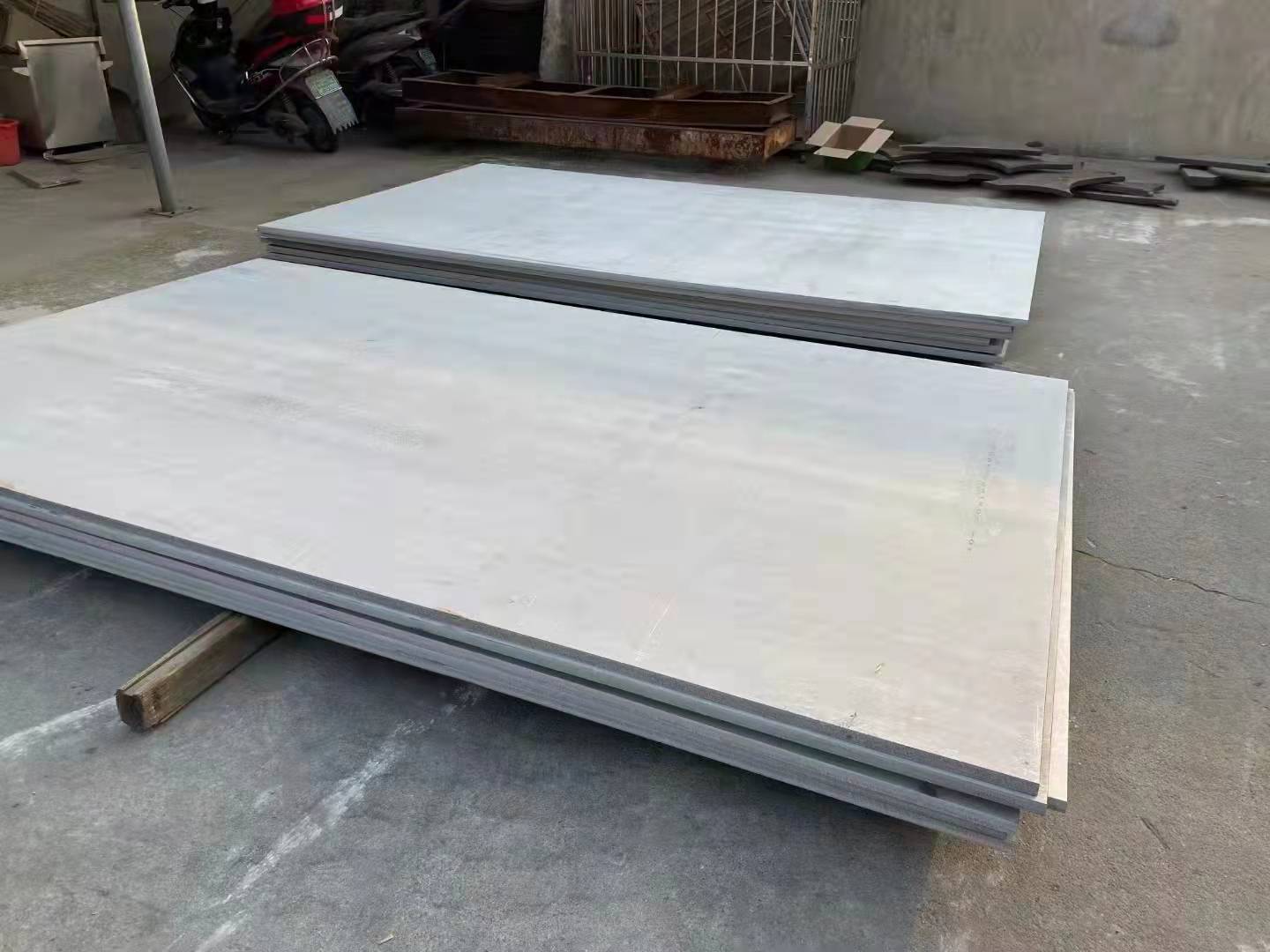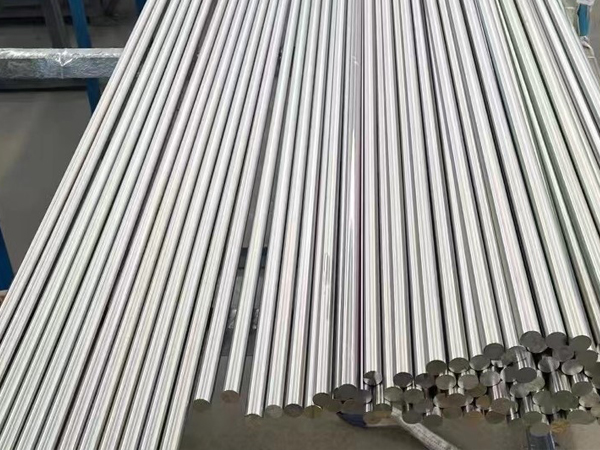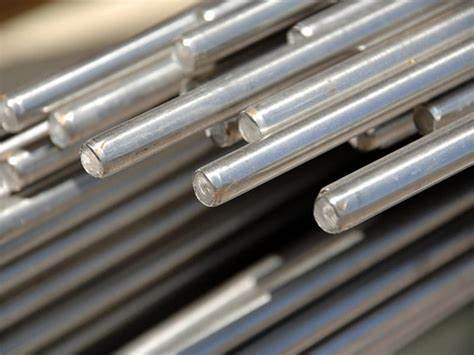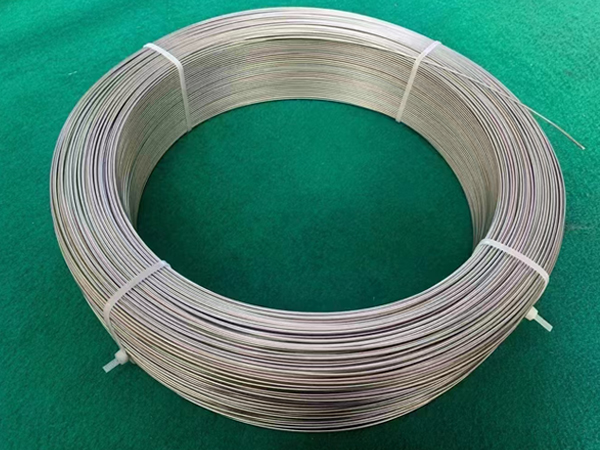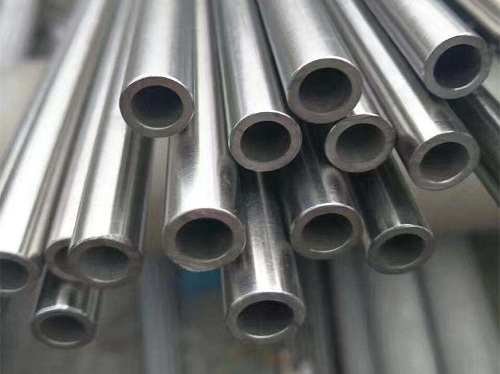



Titanium Grade 3 (UNS R50550) is a commercially pure (CP) titanium grade offering a higher strength level than Grades 1 and 2 while retaining the excellent corrosion resistance, weldability and formability characteristic of unalloyed titanium. It is supplied to ASTM B265 (Standard Specification for Titanium and Titanium Alloy Strip, Sheet, and Plate) and is widely used in aerospace and chemical processing applications where moderate strength and outstanding corrosion performance are required together.
Overview
The higher oxygen and iron contents of Grade 3 raise its tensile and yield strength well above those of Grades 1 and 2 without a significant penalty in ductility or fabricability. Like all CP titanium grades, Grade 3 forms a tenacious, self-repairing oxide film that provides outstanding resistance to seawater, chlorides, oxidizing acids and industrial atmospheres. The alloy is readily welded, formed and machined, and its strength-to-weight ratio makes it an efficient structural material. Grade 3 is produced with tightly controlled interstitial chemistry and is fully traceable to ASTM B265 requirements.
Chemical Composition (ASTM B265)
| Element | Composition (%) |
|---|---|
| Iron (Fe) | 0.30 max |
| Oxygen (O) | 0.35 max |
| Carbon (C) | 0.08 max |
| Nitrogen (N) | 0.05 max |
| Hydrogen (H) | 0.015 max |
| Titanium (Ti) | Balance |
Mechanical Properties
| Property | Requirement |
|---|---|
| Tensile Strength (UTS) | ≥ 450 MPa (65 ksi) |
| Yield Strength (YS) | ≥ 380 MPa (55 ksi) |
| Elongation | ≥ 18% |
Applications
Titanium Grade 3 is used extensively in aerospace applications such as airframe skins, structural sections, engine components and fasteners, where its higher strength allows thinner, lighter sections. In chemical processing it is selected for heat exchangers, reaction vessels, piping, pumps and valves handling corrosive media, as well as in marine, desalination and industrial equipment requiring dependable long-term corrosion resistance.
Shanghai Hangbo Alloy Group supplies Titanium Grade 3 (UNS R50550) in bar, tube and plate forms with full ASTM B265 certification.
| Channel | Details |
|---|---|
| Website | www.nickel-alloy.com |
| sales@hangboalloy.com | |
| hangbo@nickel-alloy.com | |
| WhatsApp / Phone | +86 13611656360 |
| Skype | +86 13611656360 |
| Address | Shanghai, China |