

Grade & Introduction
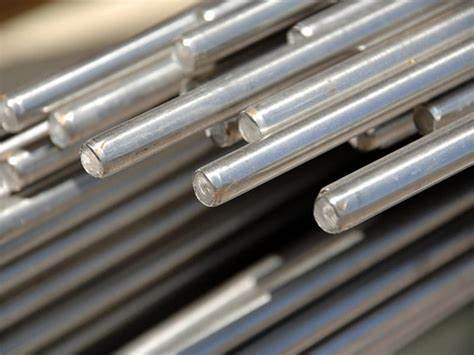
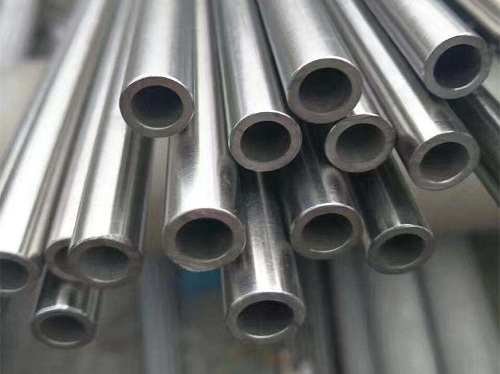
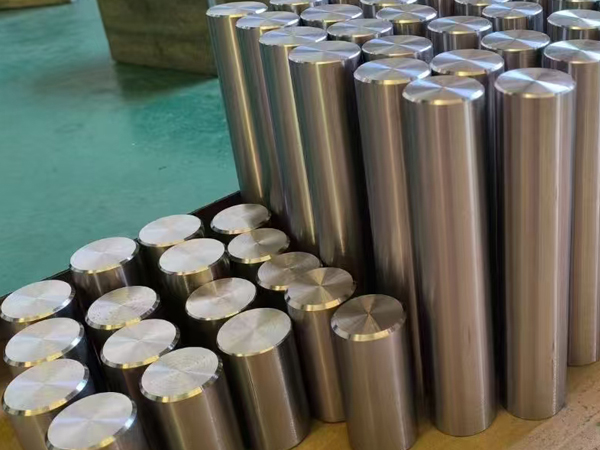
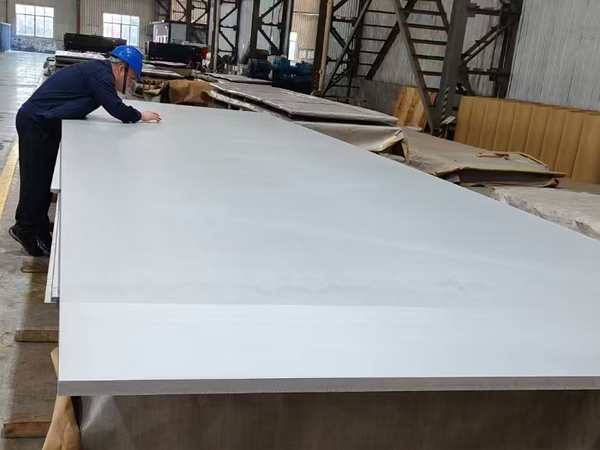
Ti-6Al-7Nb (UNS R56700) is a specialized alpha-beta titanium alloy developed primarily for medical and surgical implant applications. Created as a safer alternative to Ti-6Al-4V, it replaces Vanadium with Niobium (7%), eliminating potential cytotoxic concerns while maintaining equivalent mechanical strength and superior corrosion resistance. This alloy possesses a fine-grained microstructure that provides high fatigue strength and excellent biocompatibility, making it the industry standard for orthopedic prostheses and dental implants. Shanghai Hangbo Alloy Group supplies Ti-6Al-7Nb in high-purity bars and plates, specifically processed to meet the stringent demands of the biomedical and aerospace sectors.
Applicable Standards
Our Ti-6Al-7Nb products are manufactured to comply with the following medical and industrial specifications:
- ASTM F1295: Standard Specification for Wrought Titanium-6Aluminum-7Niobium Alloy for Surgical Implant Applications
- ISO 5832-11: Implants for surgery — Metallic materials — Part 11: Wrought titanium 6-aluminum 7-niobium alloy
- AMS 4995 / 4996: Aerospace specifications for specialized titanium alloy components
- ASME Section II: Material specifications for pressure-bearing applications
Chemical Composition
The chemical purity of Ti-6Al-7Nb is critical for its biocompatibility, verified by ICP-OES at Shanghai Hangbo Alloy Group.
| Element | Al | Nb | Fe | O | C | N | H | Ti |
|---|---|---|---|---|---|---|---|---|
| Min (%) | 5.50 | 6.50 | -- | -- | -- | -- | -- | Bal. |
| Max (%) | 6.50 | 7.50 | 0.25 | 0.20 | 0.08 | 0.05 | 0.009 | -- |
Mechanical & Physical Properties
Ti-6Al-7Nb offers a high strength-to-weight ratio; typical/reference values in the annealed condition:
| Tensile Strength (Min) | 900 MPa (131 ksi) |
| Yield Strength (0.2% Offset) | 800 MPa (116 ksi) |
| Elongation (Min) | 10% |
| Reduction of Area (Min) | 25% |
| Density | 4.52 g/cm³ (0.163 lb/in³) |
| Modulus of Elasticity | 105 GPa (15.2 x 10⁶ psi) |
Material Characteristics
- Superior Biocompatibility: The substitution of Vanadium with Niobium eliminates the risk of toxic ion release, making it safer for long-term implants.
- High Fatigue Resistance: Fine-grained alpha-beta structure ensures long-term durability under cyclic physiological loading.
- Excellent Corrosion Passivity: Forms a stable, inert oxide layer in body fluids and harsh chemical environments.
- Optimized Workability: Better hot-working properties than Ti-6Al-4V, allowing for precision forging of complex implant shapes.
Manufacturing / Processing
Shanghai Hangbo processes Ti-6Al-7Nb using Triple Vacuum Arc Remelting (VAR) to achieve medical-grade cleanliness and chemical uniformity. The alloy is hot-rolled in the alpha-beta field to ensure a fine, equiaxed microstructure. Final annealing is conducted in vacuum to prevent alpha-case formation, ensuring the material retains its high fatigue life and surface integrity for surgical applications.
Testing & Quality Control
Each batch of medical-grade Ti-6Al-7Nb undergoes exhaustive verification:
- Microstructure Evaluation: Verification of alpha-beta phase distribution per ASTM F1295.
- Alpha-Case Detection: 100% surface inspection to ensure no brittle oxygen-enriched layers are present.
- Mechanical Validation: Tensile and hardness testing per heat to ensure compliance with surgical standards.
- Ultrasonic Testing (UT): High-sensitivity immersion scanning to detect microscopic internal defects.
Applications
- Orthopedic Implants: Hip and knee replacement joints, bone plates, and intramedullary nails.
- Spinal Hardware: Specialized cages, screws, and rods requiring high strength and biocompatibility.
- Dental Implants: Abutments and screw-type implants where Vanadium-free chemistry is preferred.
- Aerospace Fasteners: High-strength, corrosion-resistant bolts for engine and airframe components.
Pros & Cons
| Pros | Cons |
|---|---|
| Eliminates cytotoxic Vanadium for safer medical service. | Higher material cost than standard Ti-6Al-4V. |
| Equivalent or better fatigue strength than Grade 5. | Limited availability in very large plate formats. |
| Superior corrosion resistance in body fluids. | Requires specialized medical-grade processing and testing. |
6 Professional FAQs
Q1: Why is Niobium used instead of Vanadium in this alloy?
A: Niobium is considered more biocompatible than Vanadium, which can release ions that are potentially harmful to human tissues during long-term implant service.
Q2: Is Ti-6Al-7Nb as strong as Ti-6Al-4V Grade 5?
A: Yes, it has nearly identical tensile and yield strength, making it a direct mechanical replacement for Grade 5 in medical applications.
Q3: Can Ti-6Al-7Nb be used for dental implants?
A: Yes, it is an excellent material for dental implants, providing superior osseointegration and corrosion resistance in the oral environment.
Q4: What is the benefit of the alpha-beta structure?
A: The alpha-beta structure provides a balanced combination of high strength and good toughness, along with the ability to be heat-treated to optimize properties.
Q5: Does Shanghai Hangbo supply Ti-6Al-7Nb for aerospace?
A: Yes, while its primary use is medical, its high fatigue strength and corrosion resistance make it suitable for specialized aerospace fasteners and components.
Q6: Is material traceability provided?
A: Yes, 100% heat-to-batch traceability is provided with medical-grade Mill Test Certificates (MTC) compliant with EN 10204 3.1 and ASTM F1295.
Related Product Supply List
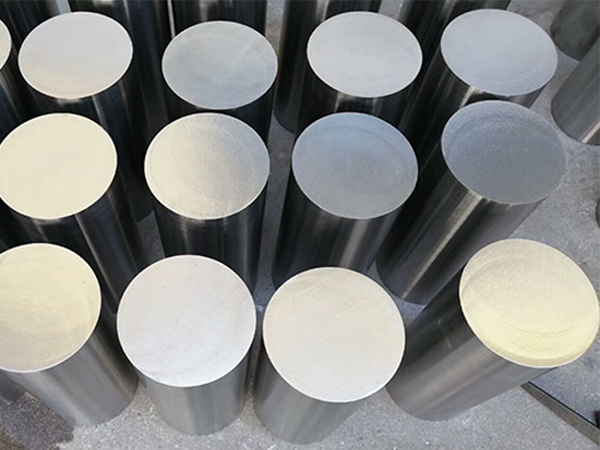
- Precision Bars: Diameter 3mm – 150mm, centerless ground for medical CNC machining.
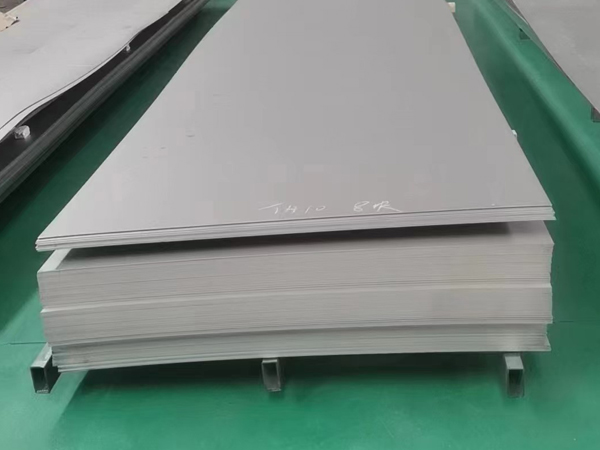
- Plates & Sheets: 0.5mm – 25mm thickness, vacuum annealed.
- Cold-Drawn Wire: For dental components and specialized fasteners.
- Forgings: Near-net-shape orthopedic blanks per customer drawings.
- Custom Machining: Rough or finished machining based on precise implant blueprints.