

Excerpt:
Gr6 supplier and manufacturer. High quality nickel alloy material available in bar, tube, plate, sheet and forging forms. Shanghai Hangbo Alloy Group.
Shanghai Hangbo Alloy Group Co., Ltd. is an ISO 9001:2015 certified manufacturer and global supplier of premium Titanium Grade 6 (Ti-5Al-2.5Sn, UNS R54520) round bars, seamless tubes, plates, sheets, wires and forgings. This medium-strength alpha alloy delivers outstanding creep resistance up to 540°C and oxidation resistance to ~650°C, combined with excellent weldability and toughness at cryogenic temperatures — the trusted workhorse for jet-engine rotating hardware, airframe structures and pressure vessels.
Standards & Specifications
- ASTM B265 — Strip, Sheet and Plate (also ASME SB-265)
- ASTM B348 — Bars and Billets (also ASME SB-348)
- ASTM B367 — Castings / ASTM B381 — Forgings
- UNS R54520 / ISO 5832-11 (implants, ELI variant) / AMS 4926 & AMS 4909 (aerospace)
- EN 10204 3.1 / 3.2 mill certificates supplied with every shipment
Precise ASTM Chemical Composition (%)
| Element | Range / Max (ASTM B265 / B348) |
|---|---|
| Aluminum (Al) | 4.0 – 6.0 |
| Tin (Sn) | 2.0 – 3.0 |
| Iron (Fe) | 0.50 max |
| Oxygen (O) | 0.20 max |
| Carbon (C) | 0.08 max |
| Nitrogen (N) | 0.05 max |
| Hydrogen (H) | 0.015 max |
| Titanium (Ti) | Balance |
Physical & Mechanical Properties (Annealed, Minimum)
| Property | Typical Value |
|---|---|
| Tensile Strength (min) | 828 MPa (120 ksi) |
| Yield Strength, 0.2% Offset (min) | 793 MPa (115 ksi) |
| Elongation (in 2" / 50 mm) | 10% |
| Density | 4.48 g/cm³ |
| Melting Range | 1540 – 1650 °C |
| Elastic Modulus | ~110 GPa (16,000 ksi) |
| Creep Resistance | Excellent up to 540 °C continuous |
Depth Characteristics
- High-Temperature Workhorse: The 5Al-2.5Sn system keeps a fully alpha microstructure, retaining useful strength and creep resistance to 540°C where CP titanium grades lose strength rapidly.
- Stronger than Grade 5 at Elevated Temperature: Above ~400°C, Gr6 sustains higher strength than Ti-6Al-4V, making it a preferred material for compressor discs, blades and casings.
- Excellent Cryogenic Toughness: The ELI (extra-low interstitial) variant is qualified for liquid-hydrogen and LNG service down to -253°C without embrittlement.
- Outstanding Weldability: Alpha microstructure resists hardening in the heat-affected zone; components are routinely TIG/EB welded without preheating.
- Lightweight & Fatigue-Resistant: ~56% lighter than steel with high specific strength and excellent HCF performance in rotating machinery.
- Corrosion Resistance: Naturally passivating TiO₂ film provides seawater-grade corrosion resistance with immunity to chloride pitting under most marine conditions.
Manufacturing Process — Sponge Selection, VAR / EB Melting
Every Gr6 heat starts with premium-grade Kroll-process titanium sponge (low-oxygen, low-chloride Mg-reduced sponge) that is lot-traced from the reduction plant to the final ingot. Alloying additions (Al, Sn) are weighed under strict quality control and blended with the sponge before compaction. The electrode is consolidated and melted 1–3 times in a Vacuum Arc Remelting (VAR) furnace — or through an Electron Beam Cold Hearth Melting (EBCHM) line for aerospace-rotor-grade cleanliness — to eliminate high-density inclusions, minimize segregation and guarantee a homogeneous macro-/microstructure. Ingots are forged in the alpha+beta field, rolled to bar/plate/tube, and delivered in the annealed condition (typically 705–790°C) with controlled cooling to stabilize the alpha structure.
Testing & Inspection — PMI / UT
- PMI (Positive Material Identification): 100% handheld XRF / arc-OES verification of Al, Sn, Fe and interstitial elements on every delivered bar, plate and tube.
- UT (Ultrasonic Testing): Full-length ultrasonic examination of billet and bar per ASTM E2375 / E213 and plate per ASTM E114 for internal soundness.
- Mechanical Verification: Room-temperature tensile, yield and elongation tests per ASTM E8 / E21, plus hardness and optional high-temperature tensile at 540°C.
- Microstructure & Dimensional: Metallographic examination of alpha grain structure, liquid-penetrant inspection, and full dimensional checks to mill tolerance.
- EN 10204 3.1 / 3.2 certificates, NACE/AMS paperwork and third-party witness testing (SGS, BV, TÜV) available on request.
Application Scenarios — Aerospace / Marine / Chemical
- Aerospace: Jet-engine compressor blades, vanes, discs, casings and ducting; airframe structural sheet; fasteners; rocket and missile skin panels.
- Cryogenic Engineering: LNG tankage, liquid-hydrogen piping and expansion joints (ELI variant) at service temperatures to -253°C.
- Marine: Deep-sea submersible pressure hulls, propeller shafts and seawater systems where creep resistance and seawater immunity combine.
- Chemical & Power: Heat-exchanger tubes, valve bodies and pump components in chloride and oxidizing media at elevated temperature.
- Medical (ELI): ISO 5832-11 compliant surgical implants and orthopedic instruments requiring high strength with full biocompatibility.
7+ Professional FAQs
1. What is the UNS number of Titanium Grade 6?
Titanium Grade 6 (Ti-5Al-2.5Sn) carries UNS R54520 and is covered by ASTM B265 (sheet/plate), ASTM B348 (bar/billet), ASTM B367 (castings) and ASTM B381 (forgings).
2. How does Gr6 differ from Ti-6Al-4V (Grade 5)?
Gr6 replaces vanadium with tin, producing a fully alpha structure. It offers better elevated-temperature creep strength above ~400°C, superior weldability and better cryogenic toughness, at somewhat lower room-temperature strength than Grade 5.
3. Can Gr6 be welded?
Yes — it welds readily by TIG/GTAW, EB and plasma methods without preheating. Post-weld stress relief at 540–650°C is often specified to restore ductility in thick sections.
4. What service temperature can Gr6 withstand?
Continuous service to 540°C (1000°F) is standard for creep-critical rotating parts; short-term exposure to 650°C with protective oxidation is feasible in non-structural applications.
5. Is Gr6 suitable for cryogenic service?
Yes — the ELI (extra-low interstitial) grade is qualified for -253°C liquid-hydrogen service with excellent notch toughness, widely used in aerospace cryogenic tanks.
6. Which melting routes are used for Gr6?
Aerospace-rotor-grade material is double- or triple-melted VAR, while EBCHM is used to guarantee inclusion cleanliness for fracture-critical applications.
7. What forms does Hangbo supply?
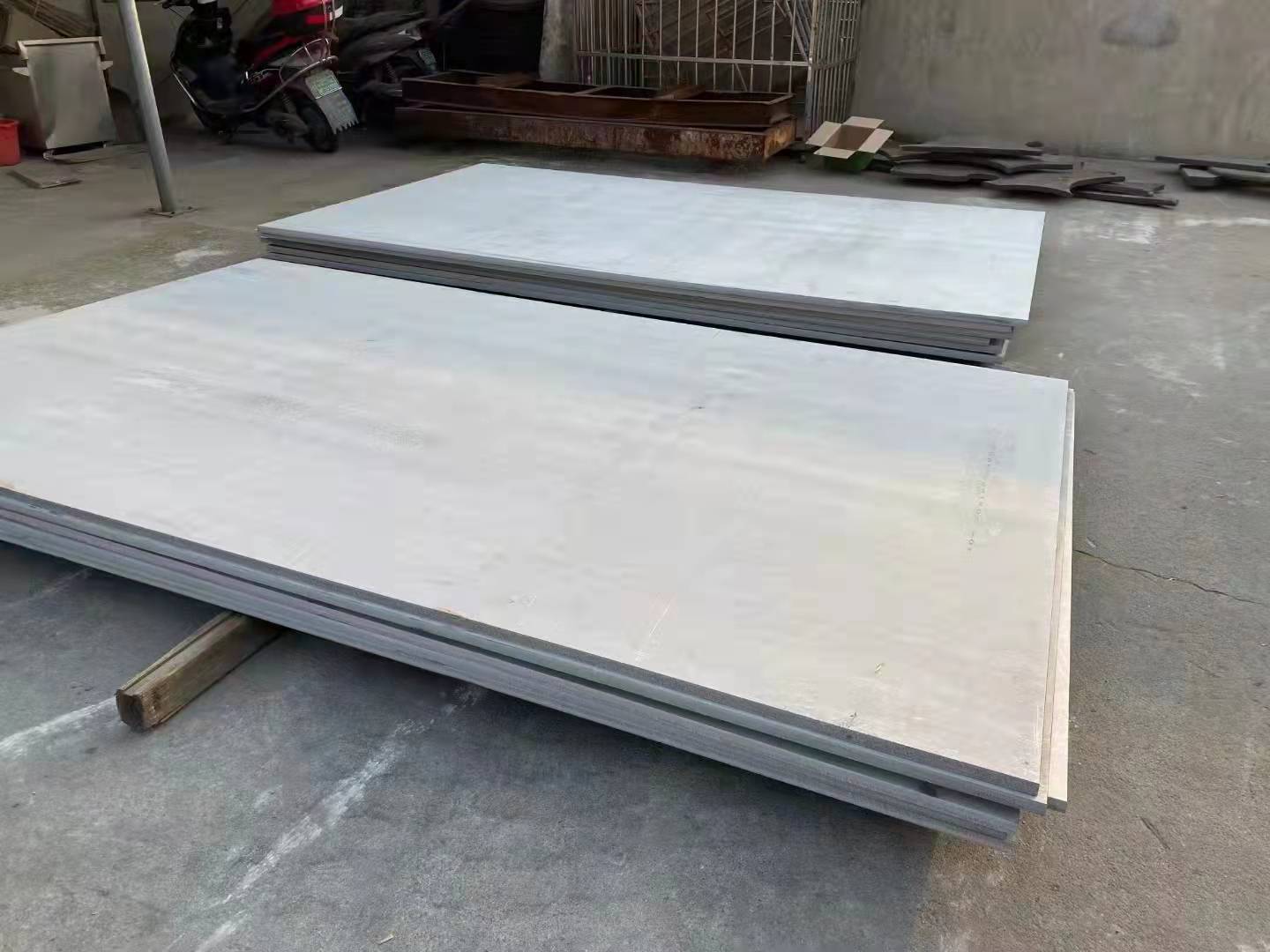
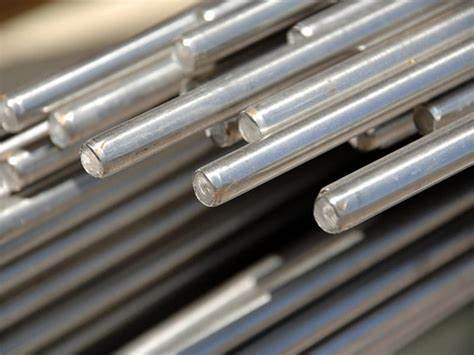
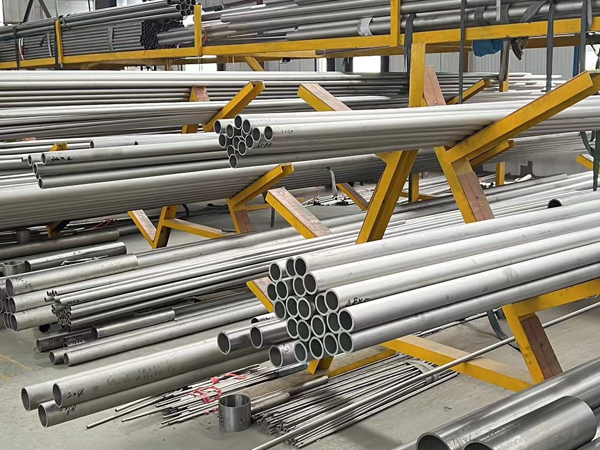
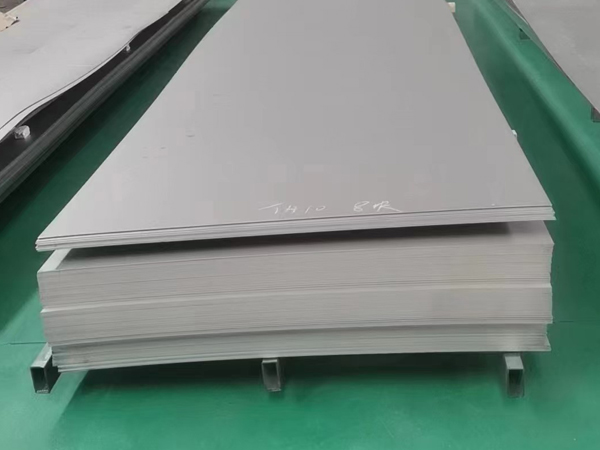
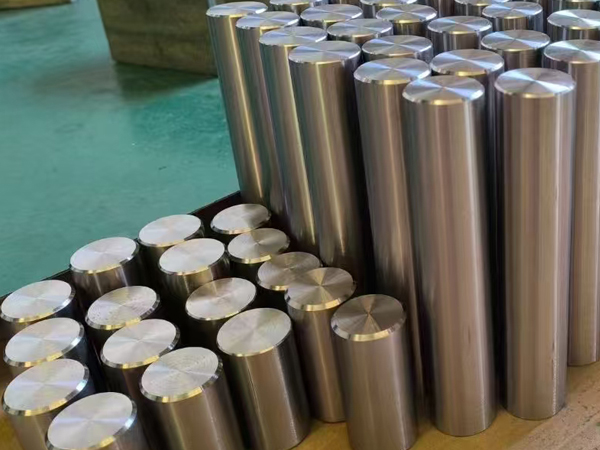
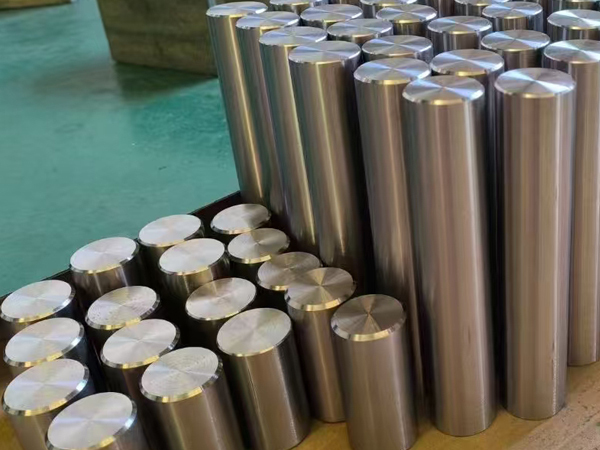
Round bar Φ6–Φ400mm (peeled/ground), plate/sheet 1–80mm, seamless tube, wire, strip and forgings — all with PMI-verified chemistry and full MTC documentation.
8. Does Gr6 need special machining considerations?
Like all titanium, it requires rigid tooling, sharp carbide inserts and flood coolant to avoid work-hardening and chip ignition; we supply finish-machined or ground bars to order.
Supply List
- Round Bar: Φ6mm – Φ400mm, peeled/ground, annealed
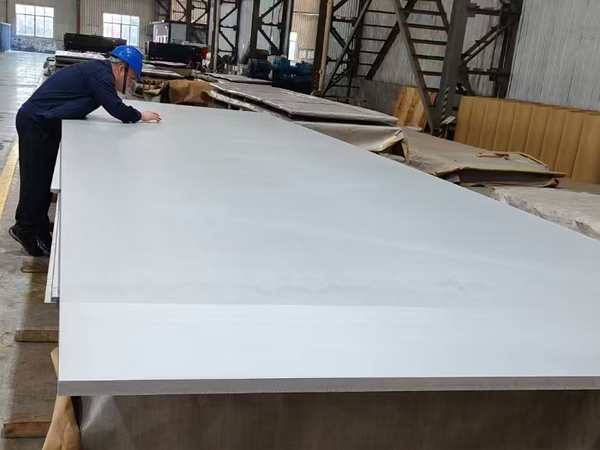
- Plate / Sheet: Thickness 1mm – 80mm, ASTM B265
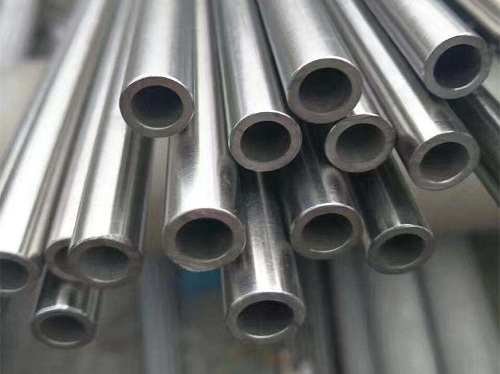
- Seamless Tube: OD 6mm – 219mm, ASTM B861 equivalent
- Wire / Strip: Custom sizes for fasteners and springs
- Forgings / Castings: Discs, rings, flanges, custom aero components
Contact Hangbo Alloy for Certified Titanium Gr6
| Channel | Details |
|---|---|
| Website | www.nickel-alloy.com |
| sales@hangboalloy.com | |
| hangbo@nickel-alloy.com | |
| WhatsApp / Phone | +86 13611656360 |
| Skype | +86 13611656360 |
| Address | Shanghai, China |
Need certified Titanium Gr6 (UNS R54520) bar, tube or plate for your aerospace or cryogenic program? Contact Shanghai Hangbo Alloy Group for instant quotations, stock availability and mill certificates — quick response within 10 minutes.