

Excerpt:
Titanium Grade 7 (UNS R52400) supplier — Ti-0.15Pd alloy with superior corrosion resistance to reducing acids vs Grade 2. Chemical processing, flue gas scrubbers, HCl service.
Grade & Introduction
Titanium Grade 7 (UNS R52400) is the "gold standard" for corrosion resistance among unalloyed titanium grades. By adding 0.12% to 0.25% Palladium, Grade 7 achieves unmatched immunity to crevice corrosion and pitting in the most aggressive reducing environments and hot chloride brines. It is essentially the corrosion-enhanced version of CP Grade 2, maintaining the same excellent physical and mechanical properties while expanding the service range into areas where standard titanium would suffer rapid attack. Shanghai Hangbo Alloy Group is a premier supplier of Titanium Grade 7, providing high-integrity bars, seamless tubes, and plates for critical chemical processing and marine engineering projects.
Applicable Standards
Our Titanium Grade 7 products are fully certified to the following international standards:
- ASTM B265: Specification for Titanium and Titanium Alloy Strip, Sheet, and Plate
- ASTM B348: Specification for Titanium and Titanium Alloy Bars and Billets
- ASTM B338 / B861: Seamless and Welded Titanium and Titanium Alloy Tubes
- ASTM B381: Specification for Titanium and Titanium Alloy Forgings
- ASME SB-265 / SB-348 / SB-338: Boiler and Pressure Vessel Code (BPVC) compliance
Chemical Composition
The Palladium content in Grade 7 is the critical factor for its superior performance, strictly controlled and verified by Shanghai Hangbo Alloy Group.
| Element | Pd | Fe | O | C | N | H | Ti |
|---|---|---|---|---|---|---|---|
| Min (%) | 0.12 | -- | -- | -- | -- | -- | Bal. |
| Max (%) | 0.25 | 0.30 | 0.25 | 0.08 | 0.03 | 0.015 | -- |
Mechanical & Physical Properties
Grade 7 provides a robust balance of strength and ductility; typical/reference values are as follows:
| Tensile Strength (Min) | 345 MPa (50 ksi) |
| Yield Strength (0.2% Offset) | 275 – 450 MPa (40 – 65 ksi) |
| Elongation (Min) | 20% |
| Density | 4.51 g/cm³ (0.163 lb/in³) |
| Thermal Conductivity | 21.7 W/m·K (at 20°C) |
| Specific Heat | 523 J/kg·K |
Material Characteristics
- Unrivaled Corrosion Passivity: Palladium acts as a cathodic catalyst, promoting a stable protective oxide layer in extremely low pH and reducing conditions.
- Crevice Corrosion Immunity: Outperforms all other unalloyed titanium grades in stagnant hot chloride solutions (up to 260°C).
- Excellent Fabricability: Can be cold-formed, bent, and drawn with the same ease as CP Grade 2.
- Exceptional Weldability: Retains its corrosion properties in the weld and heat-affected zones without the need for post-weld heat treatment.
Manufacturing / Processing
At Shanghai Hangbo, Titanium Grade 7 is produced through Double Vacuum Arc Remelting (VAR) to ensure absolute chemical homogeneity, especially for the Palladium content. The material is hot-forged and then finished via cold rolling or drawing. Annealing is performed in a high-vacuum furnace to prevent oxygen and hydrogen pickup, ensuring the material retains its specified ductility and corrosion resistance.
Testing & Quality Control
We implement a 100% verification protocol for Grade 7 to guarantee operational safety:
- Palladium Verification: Every heat is tested via ICP-OES to confirm Pd levels meet the 0.12-0.25% requirement.
- NACE MR0175 Compliance: Verification for use in sour (H2S-containing) oil and gas environments.
- Ultrasonic Testing (UT): Comprehensive scanning to detect internal voids or inclusions in thick plates and bars.
- Pressure Testing: 100% hydrostatic testing for all Grade 7 seamless tubes intended for high-pressure service.
Applications
- Chemical Processing: Handling hot, concentrated hydrochloric and sulfuric acids, as well as organic acids at elevated temperatures.
- Oil & Gas: Critical subsea components and wellhead equipment in highly corrosive sour service.
- Hydrometallurgy: Autoclaves and piping for high-pressure acid leaching (HPAL) of nickel and gold ores.
- Power Generation: Brine handling systems and heat exchangers for geothermal energy plants.
Pros & Cons
| Pros | Cons |
|---|---|
| Ultimate resistance to crevice corrosion and reducing acids. | High material cost due to the high Palladium content. |
| Identical mechanical properties to the industry-standard Grade 2. | Moderate strength compared to alloyed grades like Grade 5. |
| Excellent long-term reliability in maintenance-heavy environments. | Limited availability in very large, thick forged formats. |
6 Professional FAQs
Q1: When should I choose Grade 7 over Grade 2?
A: Choose Grade 7 when your application involves hot chloride solutions, stagnant fluids (risk of crevice corrosion), or mildly reducing acids where Grade 2 would fail.
Q2: Is the Palladium addition uniform throughout the material?
A: Yes, at Shanghai Hangbo, our VAR melting process ensures that Palladium is completely integrated into the solid solution, providing uniform protection across the entire product section.
Q3: Can Grade 7 be welded to Grade 2?
A: Yes, they are metallurgically compatible. However, to ensure the corrosion resistance of the weld bead, Grade 7 filler wire should be used.
Q4: How does Grade 7 perform in sour gas (H2S) environments?
A: Grade 7 is highly resistant to sulfide stress cracking and is frequently specified for components in the oil and gas industry meeting NACE MR0175 standards.
Q5: What is the maximum temperature for Grade 7 in brine service?
A: Grade 7 is effective in handling hot brines up to approximately 260°C (500°F), maintaining its immunity to crevice corrosion.
Q6: Is Grade 7 available in seamless tubing?
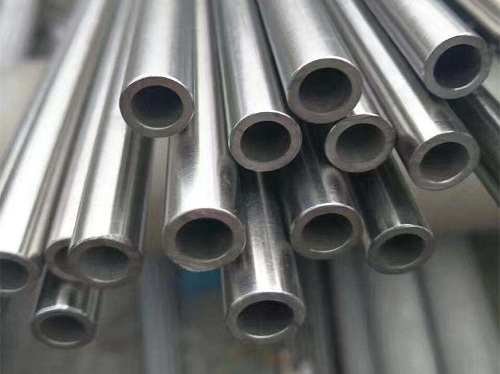
A: Yes, Shanghai Hangbo Alloy Group supplies Grade 7 seamless tubes in ODs ranging from 6mm to 219mm, fully certified for heat exchanger use.
Related Product Supply List
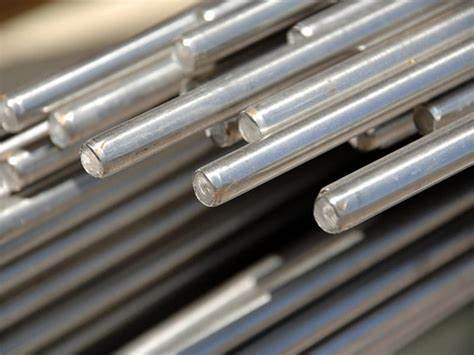
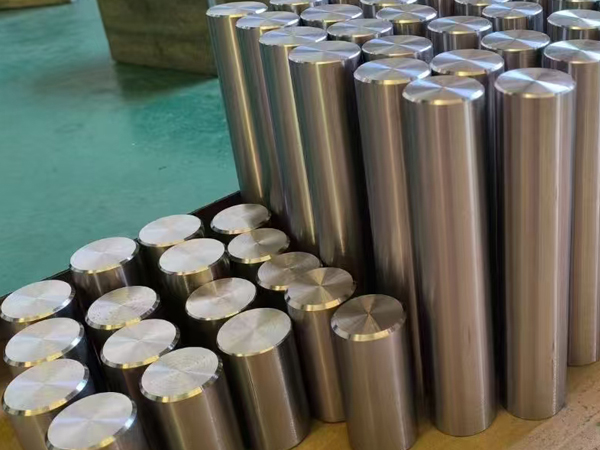
- Round Bars: Diameter 6mm – 350mm, annealed and centerless ground.
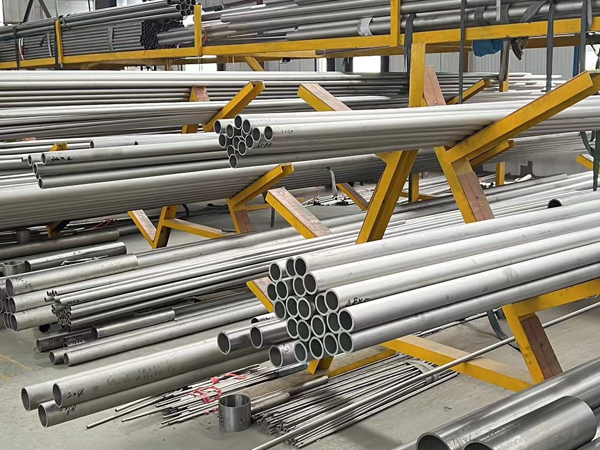
- Seamless Tubes: OD 6mm – 219mm, Wall 0.5mm – 15mm, per ASTM B338.
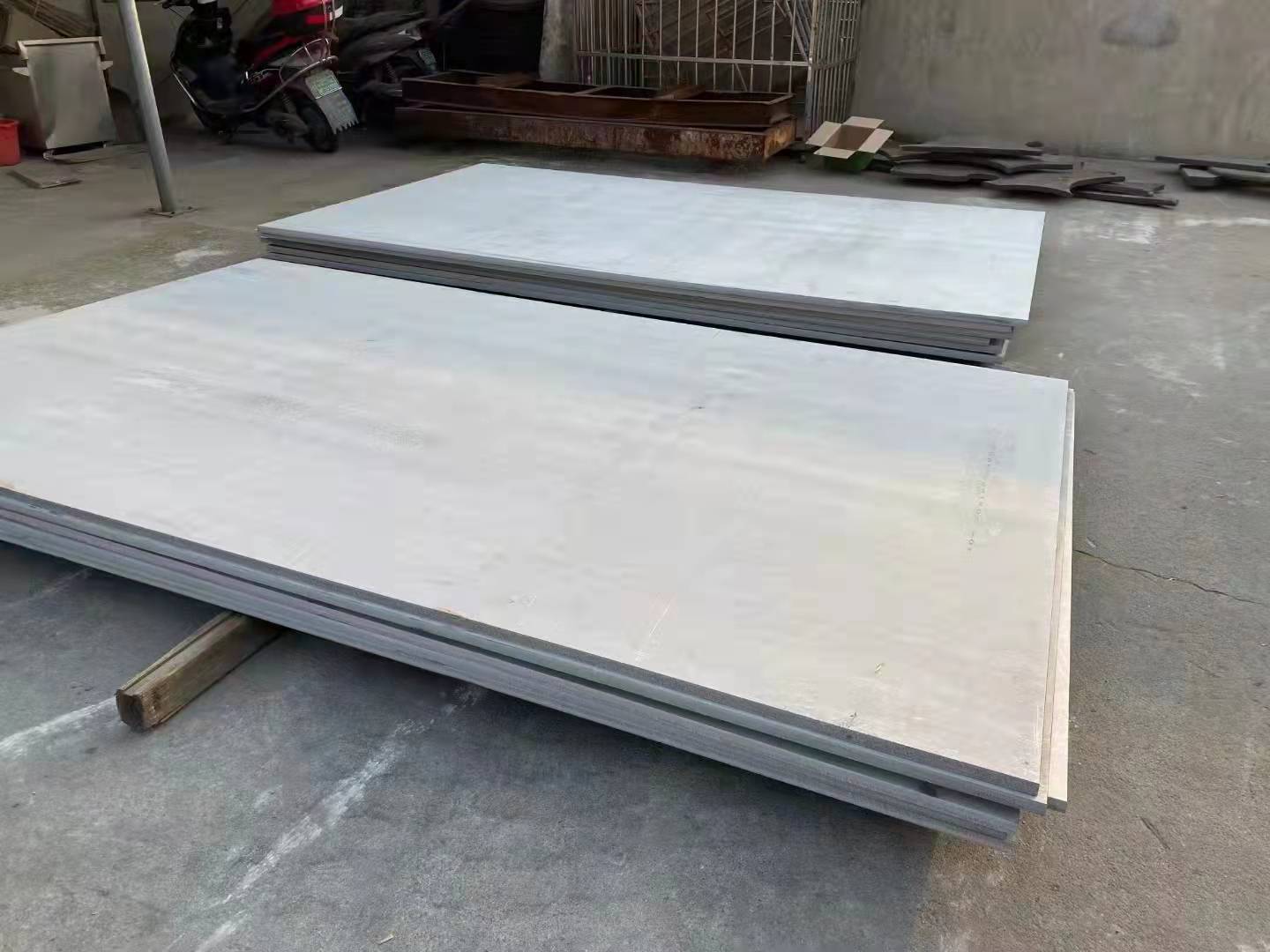
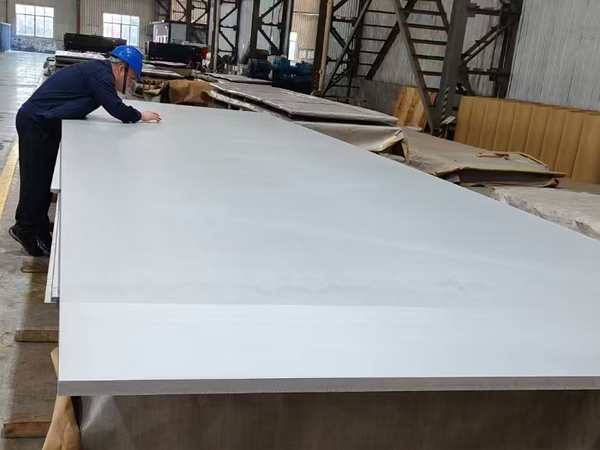
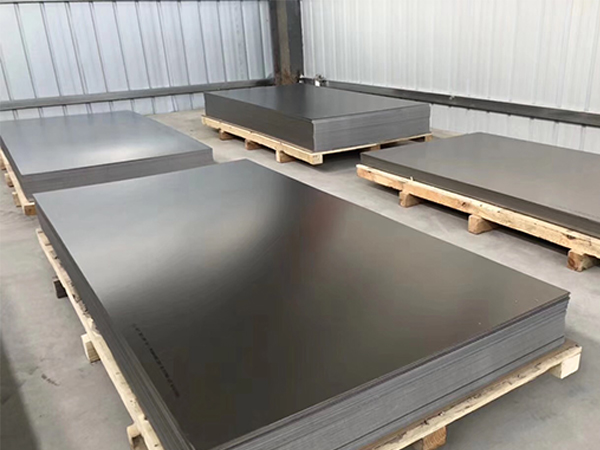
- Plates & Sheets: 0.5mm – 60mm thickness, custom cut to size.
- Welding Wire: Diameter 1.2mm – 3.2mm in coils or straight rods.
- Fittings: Elbows, tees, and reducers for high-corrosion piping systems.