

Excerpt:
Incoloy 330 (UNS N08330) supplier — heat and carburization resistant to 1150°C. Ideal for furnace rolls, radiant tubes, heat treat fixtures. ASTM B163/B407/B408/B409.
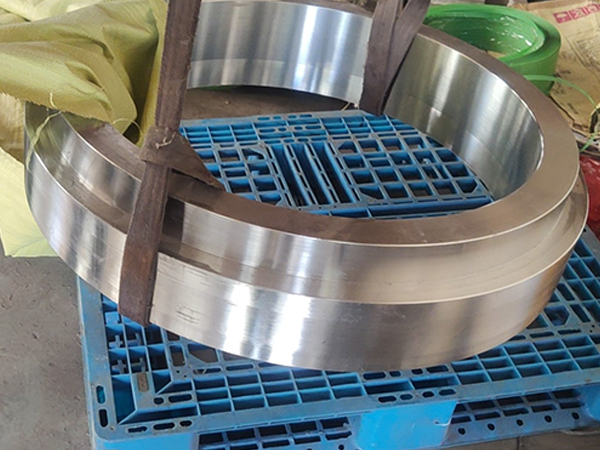
Shanghai Hangbo Alloy Group Co., Ltd. is an ISO 9001:2015 certified manufacturer and global supplier of premium Incoloy 330 (UNS N08330 / W.Nr. 1.4886) round bars, seamless tubes, welded pipes, plates and forgings. With its silicon-enriched Ni-Cr-Fe chemistry, Incoloy 330 offers outstanding resistance to oxidation, carburization and thermal fatigue up to 1150°C (2100°F), making it a proven workhorse for industrial furnace and heat-treatment applications.
Standards
- ASTM B535 — Seamless & Welded Pipe
- ASTM B511 — Seamless & Welded Tube (Elevated Temperature)
- ASTM B512 — Rod, Bar, Wire
- ASTM B536 — Plate, Sheet, Strip
- UNS N08330 / W.Nr. 1.4886 / ASME SB535-SB511
Precise ASTM Chemical Composition (%)
| Element | Range / Max |
|---|---|
| Nickel (Ni) | 34.0 – 37.0 |
| Chromium (Cr) | 17.0 – 20.0 |
| Silicon (Si) | 0.75 – 1.50 |
| Manganese (Mn) | 2.0 max |
| Carbon (C) | 0.08 max |
| Copper (Cu) | 1.0 max |
| Sulfur (S) | 0.03 max |
| Iron (Fe) | Balance |
Physical & Mechanical Properties
| Property | Typical Value (Min) |
|---|---|
| Tensile Strength (Annealed Bar) | 550 MPa (80 ksi) |
| Yield Strength (0.2% Offset) | 205 MPa (30 ksi) |
| Elongation (in 2") | 30% |
| Hardness (Brinell) | ≤ 217 HB |
| Density | 8.00 g/cm³ |
| Melting Range | 1343 – 1371 °C |
| Max Continuous Service Temperature | ~1150 °C (2100 °F) |
Depth Characteristics
- High-Temperature Oxidation Resistance: The 0.75-1.50% silicon addition promotes a protective, self-healing oxide scale in oxidizing atmospheres to 1150°C.
- Excellent Carburization Resistance: Resists carbon pickup and metal dusting in carbon-rich heat-treating and petrochemical atmospheres.
- Thermal Fatigue & Shock Resistance: Handles rapid heating/cooling cycles without cracking — ideal for cyclic furnace service.
- Good Chloride SCC Resistance: High nickel content provides immunity to chloride stress-corrosion cracking in aqueous service.
- Readily Fabricable: Excellent weldability by TIG/MIG/SMAW and good hot/cold forming characteristics.
Manufacturing Process — Forging & Heat Treatment
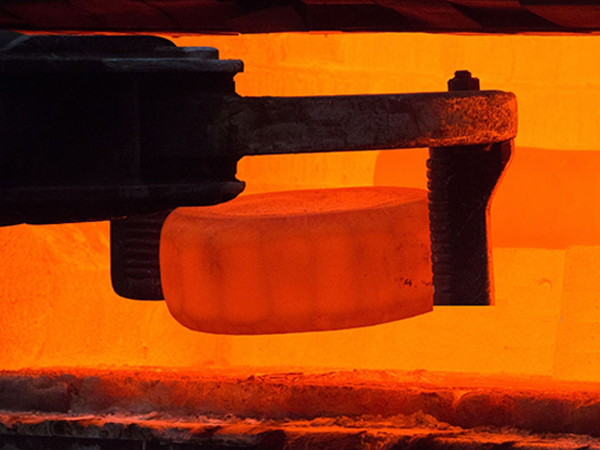
Incoloy 330 is melted by VIM + ESR for controlled chemistry, hot-forged at 1010–1230°C and finished above 900°C. All products are solution annealed at 1040–1100°C followed by water quenching or rapid air cooling to achieve a stable austenitic structure. Tubes are cold-pilgered and bright annealed; bars are peeled or centerless ground to tolerance. Controlled grain size ensures consistent elevated-temperature creep performance.
Testing & Inspection Methods — PMI / UT / RT
- PMI (Positive Material Identification): 100% XRF verification of Ni, Cr, Si, Mn on every heat before dispatch.
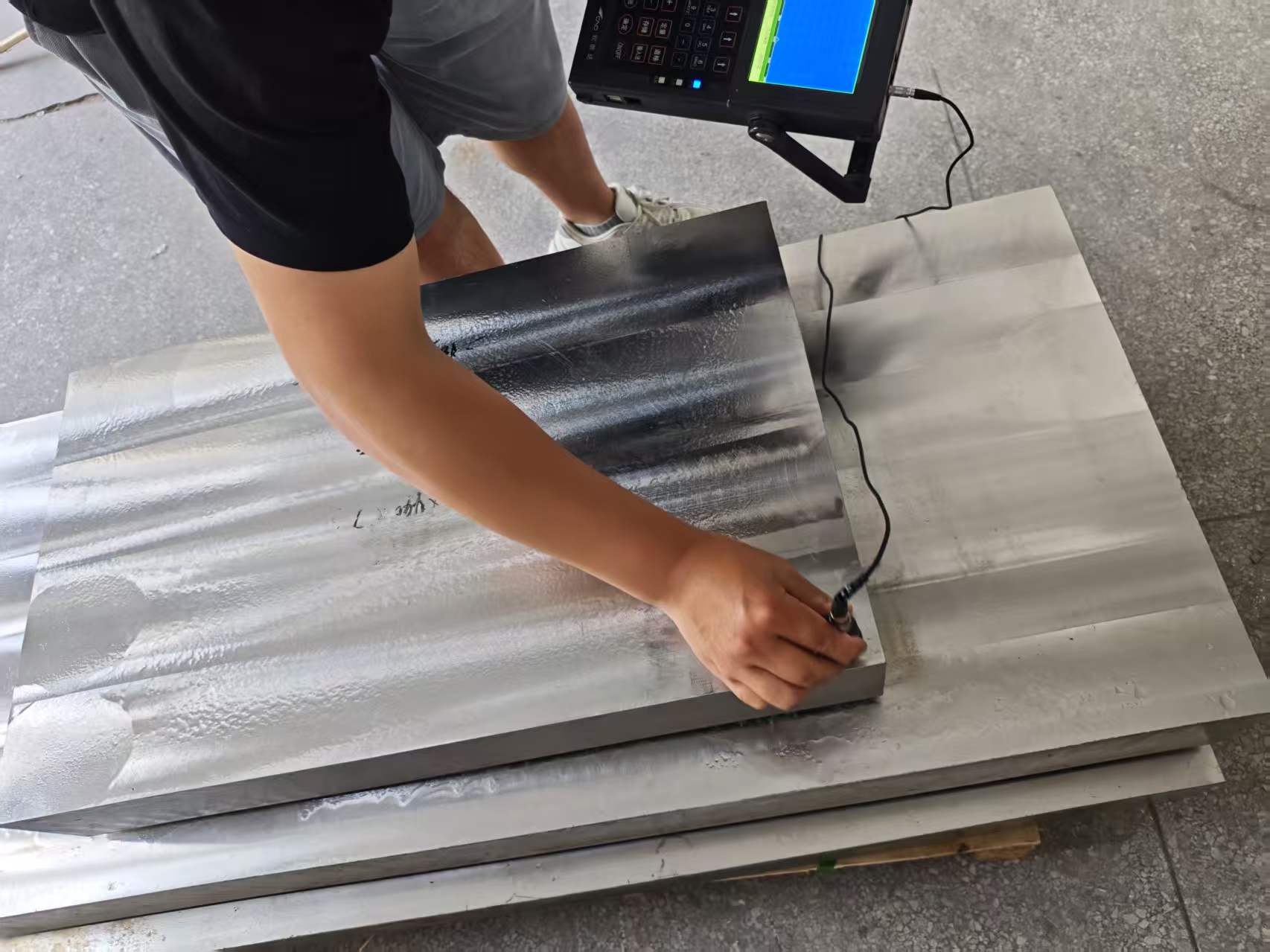
- UT (Ultrasonic Testing): Full-length ultrasonic examination of bar and tube per ASTM E213/E2375 for internal soundness.
- RT (Radiographic Testing): Radiographic examination of welded pipe seams per ASME Section V where required.
- Plus: room/high-temperature tensile testing, hardness checks, grain-size evaluation, intergranular corrosion testing and dimensional verification; EN 10204 3.1/3.2 mill certificates provided.
High-Frequency Application Scenarios
- Industrial Furnaces: Radiant tubes, muffles, retorts, trays, baskets and conveyor belts for heat-treatment shops.
- Ammonia & Syngas Plants: Primary reformer headers, transfer lines and pigtails exposed to carburizing gases.
- Glass & Ceramics: Kiln furniture, burner blocks and muffle components in glass tempering lines.
- Petrochemical: Ethylene pyrolysis components, catalyst supports and heater tubes in carbon-rich service.
- Waste Incineration: Furnace liners and flue-gas components in municipal and hazardous waste plants.
6+ Professional FAQs
1. What is Incoloy 330 best suited for?
Continuous high-temperature service in oxidizing and carburizing atmospheres up to 1150°C, particularly furnace hardware and heat-treatment fixtures.
2. How does Incoloy 330 compare with Incoloy 800H?
330 contains higher nickel (34-37%) plus silicon, giving better oxidation, carburization and thermal-fatigue resistance; 800H is favored for ASME pressure-retaining components with higher creep design data.
3. Why is silicon added to Incoloy 330?
Silicon strengthens the protective oxide scale and significantly improves resistance to carburization and high-temperature corrosion.
4. Is Incoloy 330 weldable?
Yes — TIG, MIG and SMAW with Inconel-type or matching fillers are standard; no mandatory post-weld heat treatment.
5. Which standards apply to Incoloy 330 pipe and tube?
ASTM B535 (seamless/welded pipe) and ASTM B511 (seamless/welded tube for elevated-temperature service); bar per ASTM B512 and plate/sheet per ASTM B536.
6. Can Incoloy 330 be used in sulfidizing environments?
It performs better than many stainless grades in mildly sulfidizing atmospheres, but for severe sulfidation Ni-Cr alloys such as Inconel 601/602CA are preferred.
7. Does 330 require heat treatment after forging?
Yes — solution annealing at 1040–1100°C restores ductility and optimum high-temperature properties after hot working.
Supply List
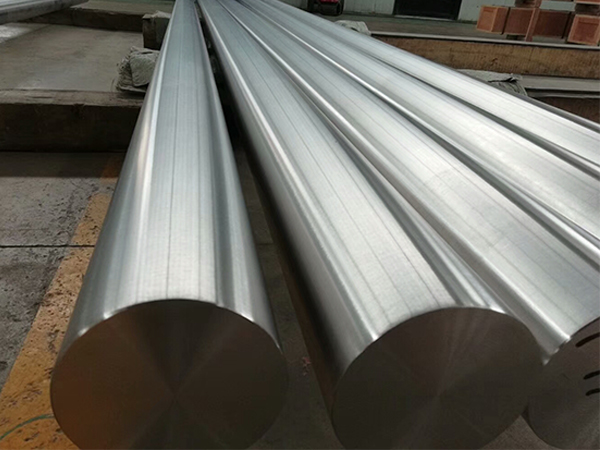
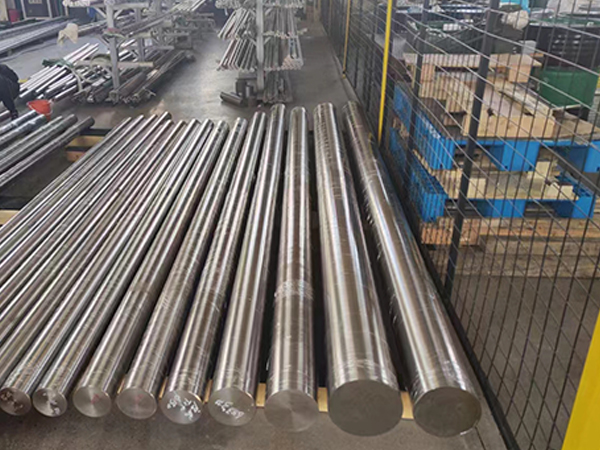
- Round Bar: Φ6mm – Φ400mm, peeled/ground
- Seamless Tube (ASTM B511): OD 6mm – 219mm
- Welded / Seamless Pipe (ASTM B535): OD 21mm – 610mm
- Plate / Sheet: Thickness 1mm – 50mm
- Forgings: Flanges, fittings and furnace hardware per drawings
Need certified Incoloy 330 for your furnace or heat-treatment project? Contact Shanghai Hangbo Alloy Group for instant quotations, stock availability and mill certificates — quick response within 10 minutes.