

Excerpt:
Premium Nimonic 80A (UNS N07080) bar, plate supplier. High-temperature nickel alloy for aerospace, chemical processing. ASTM/ASME compliant. Get quote.
Shanghai Hangbo Alloy Group Co., Ltd. is a specialized supplier of Nimonic 80A (UNS N07080 / W.Nr. 2.4952). This nickel-chromium alloy is precipitation-hardened, designed for service at temperatures up to 815°C (1500°F), offering exceptional high-temperature strength and creep resistance.
Overview
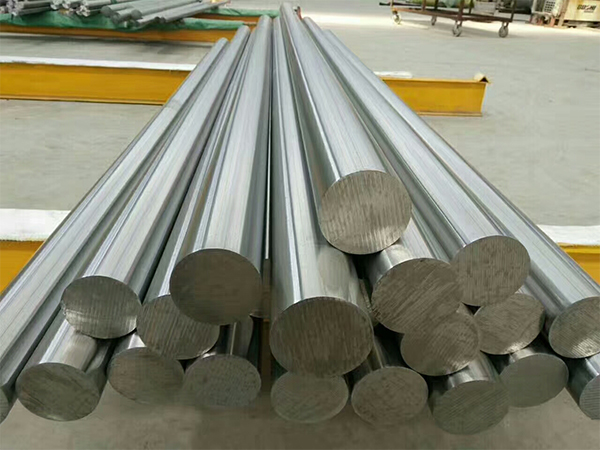
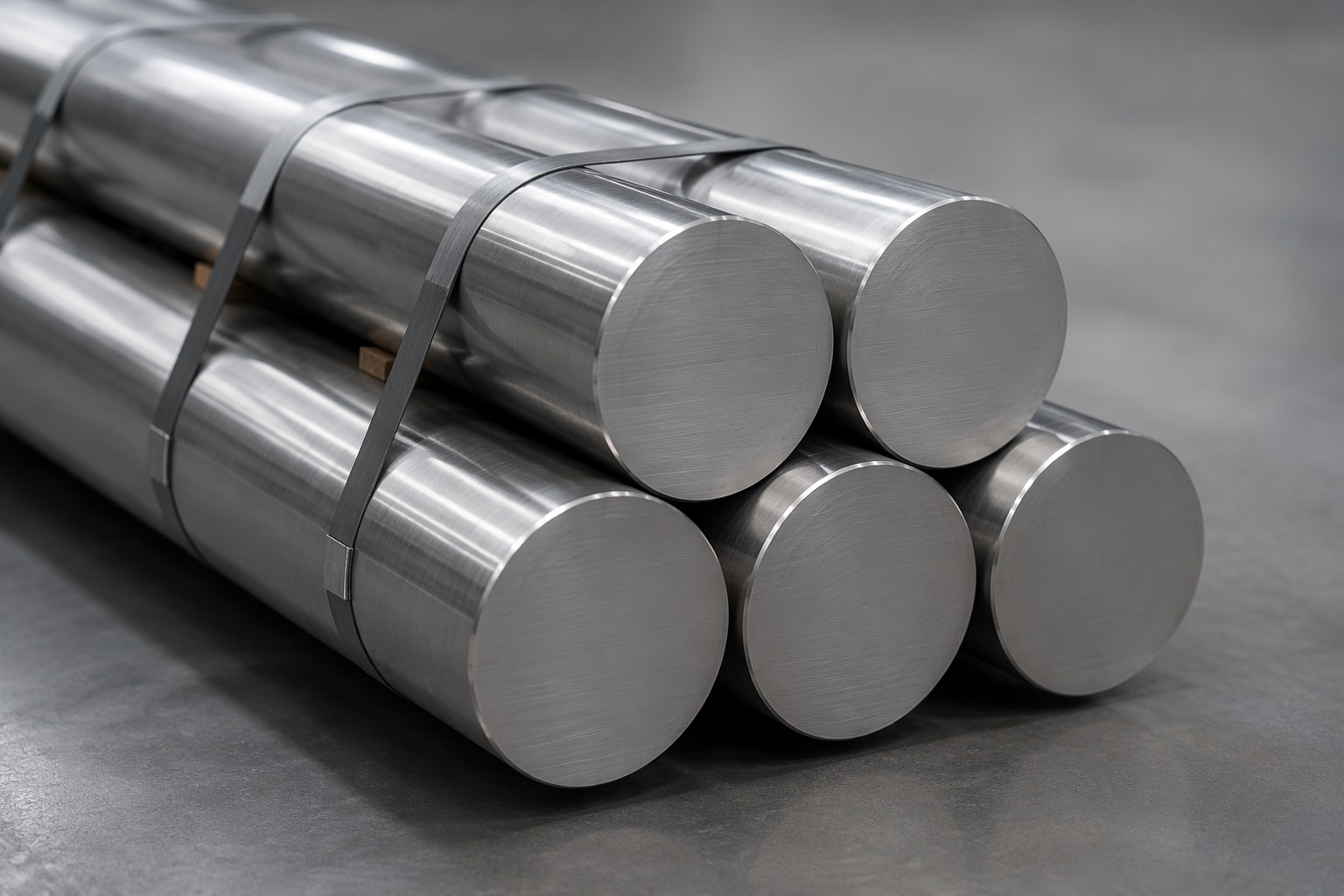
Nimonic 80A (UNS N07080, W.Nr. 2.4952) is a nickel-chromium precipitation-hardening superalloy developed for components operating at temperatures up to 815°C. Strengthened by the gamma-prime phase formed from titanium and aluminum additions, it offers a unique balance of high tensile strength, creep resistance, oxidation resistance and good fatigue performance, and remains one of the most widely used Nimonic alloys in aerospace and power generation. Shanghai Hangbo Alloy Group supplies Nimonic 80A as round bar, plate and sheet, solution-treated and aged to ASTM B637, with certified chemistry, mechanical test data and EN 10204 3.1 documentation on every heat.
Specifications & Data
- UNS N07080: Nickel-chromium superalloy with titanium and aluminum additions.
- Creep Resistance: Optimized for long-term structural stability at 700°C - 800°C.
Chemical Composition (%)
| Element | Ni | Cr | Ti | Al | Fe | Co |
|---|---|---|---|---|---|---|
| Value (%) | Bal | 18.0 - 21.0 | 1.8 - 2.7 | 1.0 - 1.8 | 3.0 max | 2.0 max |
High-Temperature Creep Performance
Nimonic 80A exhibits superior creep-rupture strength. For example, the 1000-hour rupture stress at 700°C (1292°F) is approximately 380 MPa, making it one of the most reliable materials for critical engine components.
Mechanical Properties (Aged, ASTM B637)
Room-temperature mechanical properties (minimum values) of Nimonic 80A (UNS N07080) in the solution-treated and aged condition per ASTM B637:
| Property | Minimum Value |
|---|---|
| Tensile Strength | 1000 MPa min |
| Yield Strength (0.2% offset) | 620 MPa min |
| Elongation | 15% min |
| Hardness | 250 – 350 HB |
Material Characteristics & Applications
- High Tensile Strength: Exceptional strength maintained at elevated temperatures.
- Oxidation Resistance: High chromium content provides protective oxide scales.
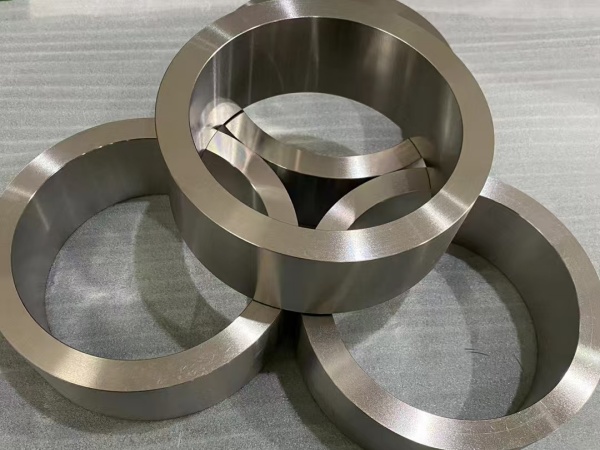
- Applications: Gas turbine components (blades, rings, discs), aerospace fasteners, and high-performance automotive exhaust valves.
Global Project Case: Aerospace Fasteners
Scenario: A leading aerospace engine manufacturer required high-strength fasteners for turbine casing assembly. The fasteners needed to withstand high tensile loads and resist creep at operating temperatures exceeding 700°C.
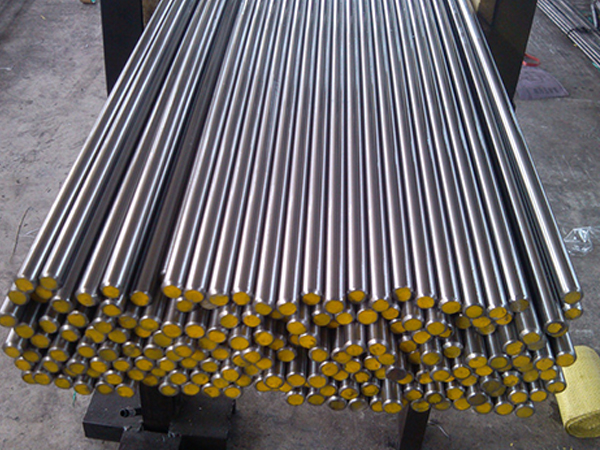
Solution: Hangbo Alloy supplied Nimonic 80A precision-ground bars for the production of specialized bolts and nuts. The material's precipitation-hardening capability allowed for customized heat treatment to achieve optimal strength.
Service Performance: The Nimonic 80A fasteners have demonstrated excellent reliability in jet engine service, with zero reports of creep-induced loosening or failure during mandatory maintenance intervals.
Pros, Cons & FAQ
Pros
- Outstanding creep resistance at 700-800°C.
- High corrosion and oxidation resistance.
- Good fatigue performance under thermal cycling.
Cons
- Complex heat treatment process required to develop full properties.
- Difficult to machine due to high hardness and work-hardening rates.
FAQ
Q: Is Nimonic 80A suitable for use in automotive valves?
A: Yes, Nimonic 80A is a popular choice for high-performance automotive exhaust valves. Its ability to maintain high strength and resist oxidation at extreme exhaust gas temperatures (up to 800°C) ensures durability in racing and heavy-duty diesel engines.
Q: How does the Chromium content affect Nimonic 80A?
A: The high chromium content (18-21%) provides Nimonic 80A with excellent resistance to oxidation and high-temperature corrosion. It forms a stable, protective oxide layer that prevents further attack in combustion environments.
Q: What is the precipitation hardening mechanism in Nimonic 80A?
A: The addition of Titanium and Aluminum allows for the precipitation of the gamma prime [Ni3(Al, Ti)] phase during heat treatment. This coherent precipitate blocks dislocation movement, significantly increasing the alloy's strength and creep resistance.
Q: Can Nimonic 80A be welded?
A: Nimonic 80A can be welded using argon arc welding or other conventional methods, but it requires careful control to avoid cracking. Pre-heating and post-weld heat treatment are usually necessary to restore the alloy's mechanical properties and relieve internal stresses.
Q: What is the recommended heat treatment for Nimonic 80A?
A: Typically a solution treatment at 1080°C followed by aging at 700°C to achieve the desired precipitation of the gamma prime phase.
Internal Links to Related Alloys
- Inconel 625 - For general high-temperature corrosion resistance.
- Incoloy 800H - For large-scale petrochemical high-temp components.
- Invar 36 - For applications requiring zero thermal expansion.