

Excerpt:
Titanium Grade 12 (UNS R53400) supplier — Ti-0.3Mo-0.8Ni alloy. Better corrosion resistance than Grade 2 in mildly reducing acids. Desalination, chemical, and marine use.
Titanium Grade 12 (UNS R53400 / TA10) - High-Performance Corrosion-Resistant Alloy
Shanghai Hangbo Alloy Group is a specialized Source Supplier of Titanium Grade 12 (Ti-0.3Mo-0.8Ni), providing high-integrity solutions for aerospace, marine, and precision engineering sectors requiring superior localized corrosion resistance.
Advanced Production Process
- Melting (VAR): We utilize Multiple Vacuum Arc Remelting (VAR) to ensure precise dispersion of Molybdenum and Nickel alloying elements.
- Precision Forging: Controlled forging processes optimize the grain structure and prevent elemental segregation.
- Rolling: Specialized thermomechanical rolling achieved high dimensional accuracy and surface integrity for plates and bars.
- Heat Treatment: Vacuum annealing processes ensure metallurgical stability and maximum resistance to crevice corrosion.
Testing & Inspection Excellence
- Chemical Spectrometry: Precise verification of Mo and Ni content, critical for the alloy's specialized corrosion performance.
- Mechanical Testing: Evaluation of yield and tensile strength at both Room and High Temperatures (up to 300°C).
- Ultrasonic Testing (UT): 100% inspection ensures zero internal defects, vital for high-temperature pressure vessel applications.
- Microstructure Evaluation: Confirmation of a stable near-alpha structure and uniform distribution of alloying phases.
Quality Control & Traceability
- Certifications: Production systems fully certified to ISO 9001 and AS9100 standards.
- Full Traceability: Heat-to-batch traceability provided with detailed Mill Test Certificates (MTC) per EN 10204 3.1.
- Standard Compliance: Guarantees compliance with ASTM B348, ASTM B265, and ASME SB-series.
Solving Market Pain Points
- Lead Time: strategic stocking of Grade 12 plate and bar inventory supports rapid turnarounds for chemical plant maintenance.
- Consistency: Tight chemical control eliminates the risk of localized corrosion failure in aggressive environments.
- Extreme Environment Failure: Optimized to prevent crevice corrosion and pitting in hot chloride brines and mildly reducing acids.
Deep Application Insights
- Aerospace: Used in specialized engine components and high-temperature ducting requiring improved strength over CP grades.
- Marine: Ideal for geothermal power components and seawater cooling systems handling aggressive, high-temperature fluids.
- Precision Engineering: Critical for high-integrity chemical heat exchangers, evaporators, and hydrometallurgical processing tools.
Product Form & Standard Table
| Product Form | Standard Reference |
|---|---|
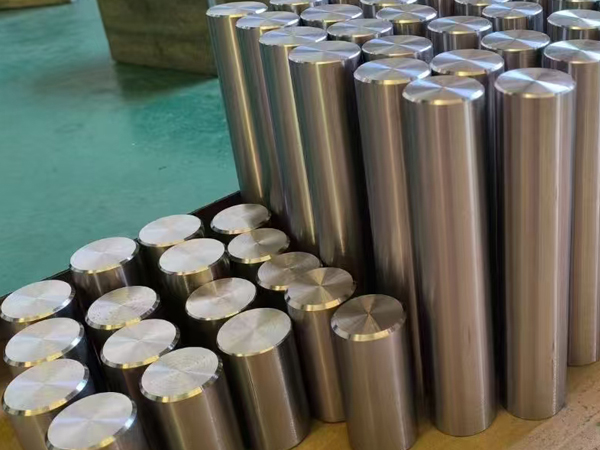
| Round Bar / Rod | ASTM B348, ASME SB348 |
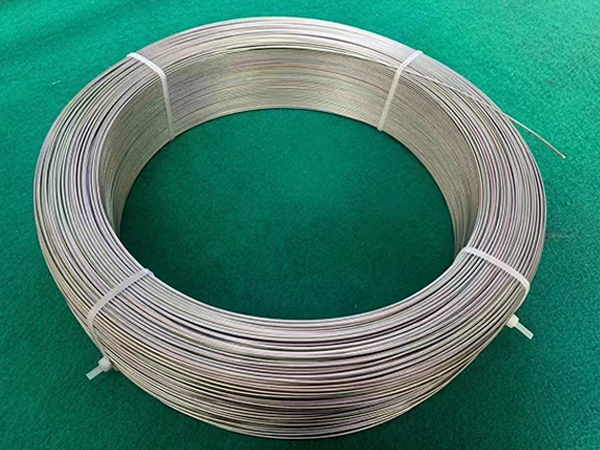
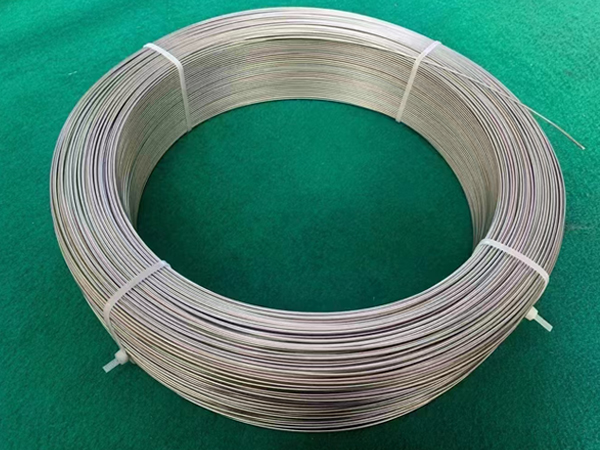
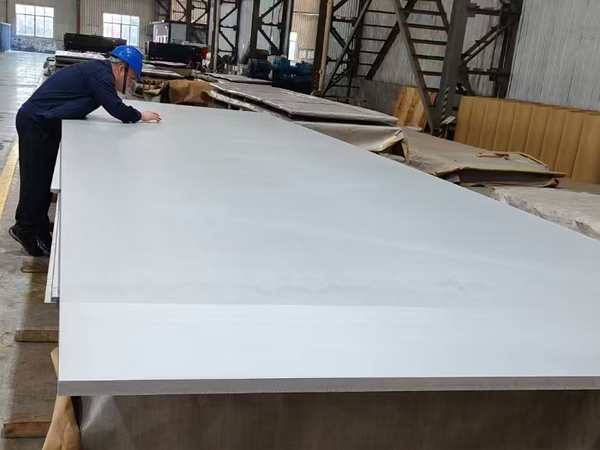
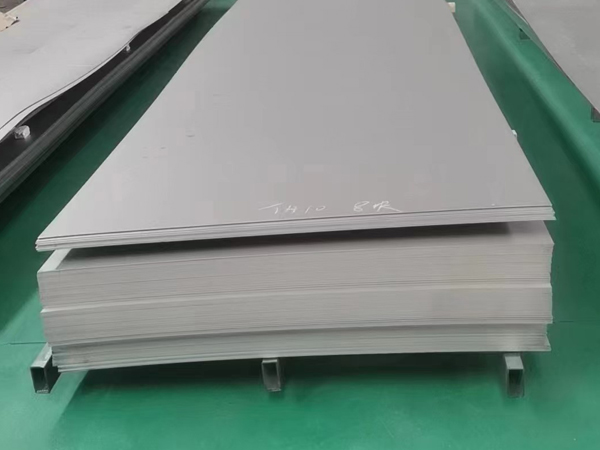
| Plate / Sheet / Coil | ASTM B265, ASME SB265 |
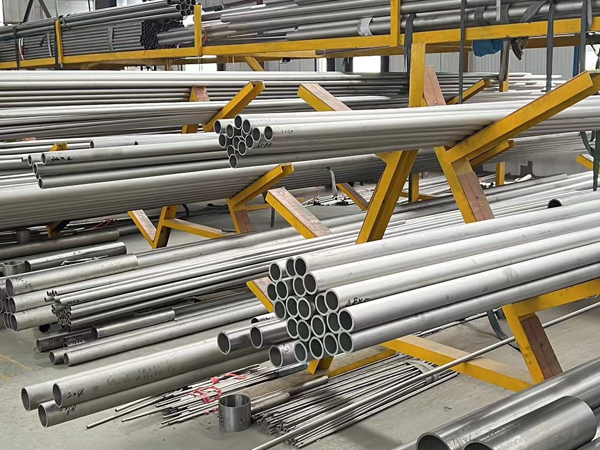
| Seamless / Welded Tube | ASTM B861, ASTM B862 |
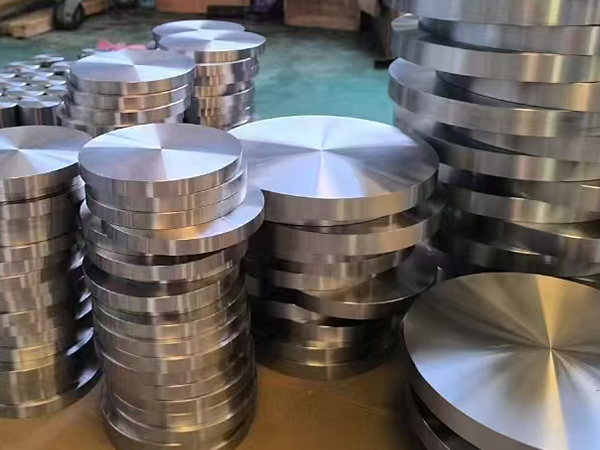
| Forgings & Rings | ASTM B381, ASME SB381 |
Professional FAQ
Q: What makes Grade 12 superior to Grade 2 in chlorides?
A: The addition of Mo and Ni significantly increases its resistance to crevice corrosion and pitting in hot chloride environments.
Q: Is Grade 12 stronger than other CP grades?
A: Yes, it offers higher strength than Grade 1, 2, and 3 at both room and elevated temperatures.
Q: How does Shanghai Hangbo ensure Grade 12 reliability?
A: By maintaining tight control of Mo/Ni ratios and performing 100% UT testing on all high-pressure components.
Q: Is Grade 12 approved for pressure vessels?
A: Yes, it is fully approved under ASME Section VIII for high-integrity vessel construction.
Q: Can Grade 12 be used as a cost-effective alternative to Grade 7?
A: Yes, in many applications where Grade 7 (Palladium) is specified, Grade 12 can provide sufficient corrosion resistance at a lower cost.
Q: What is the benefit of AS9100 for Grade 12?
A: It ensures that the material meets the stringent quality requirements for specialized aerospace and defense applications.